Lukas Engel

BFFs Wesley and Georgie and their silly cat sidekick Pretzel transform into ninjas and enter a magic world, where they solve problems and save the day.
Official
I remember the first time I saw a kid turn a cardboard box into a spaceship. The way their eyes lit up, the way their body language shifted—suddenly, they weren’t just sitting on the floor anymore. They were piloting through asteroid fields, dodging laser fire, saving the galaxy.
There’s something sacred in that transformation, the way imagination can turn the mundane into the extraordinary. Hello Ninja, Netflix’s short-lived animated series, understands this alchemy. It’s a show that doesn’t just depict childhood play; it worships it, framing the act of pretending as a kind of superpower.
The premise is simple: best friends Wesley and Georgie, along with their cat Pretzel, transform into ninjas whenever they need to solve a problem. A spilled glass of milk? A ninja mission.
A lost toy? A quest. A scraped knee?
A test of courage. The series is based on N.D. Wilson’s picture book of the same name, and it carries the same gentle, almost reverent tone toward the power of make-believe.
But where the book is a static snapshot, the show is a living, breathing world—one where the line between reality and fantasy is as thin as a ninja’s blade.
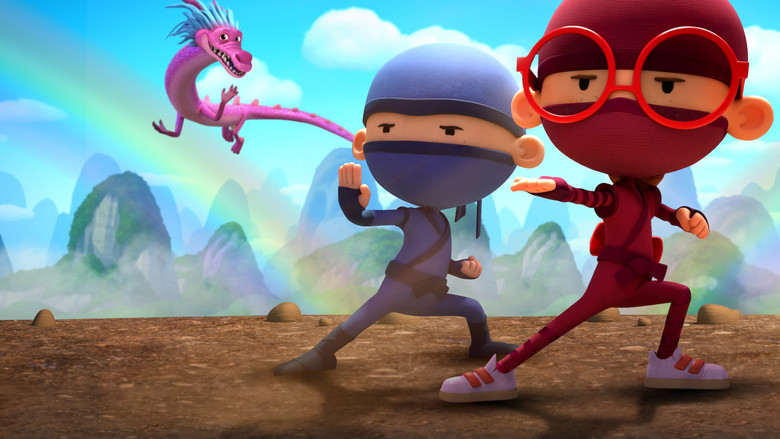
What’s striking about Hello Ninja is how unapologetically it embraces the logic of play. There’s no cynicism here, no winking at the audience to say, We know this is silly, but let’s pretend for a while. The show commits fully to its own reality, treating the ninja world as just as valid as the "real" one. In one episode, Wesley and Georgie must retrieve a lost stuffed animal from a tree.
In the real world, this is a simple (if frustrating) task—climb the tree, grab the toy, done. But in the ninja world, the tree becomes a towering fortress guarded by a mischievous wind spirit. The solution isn’t just about physical agility; it’s about creativity, teamwork, and a little bit of luck.
The show’s brilliance lies in how it mirrors the way kids actually play: the rules are fluid, the stakes are always high, and the solutions are limited only by imagination.
That said, Hello Ninja isn’t without its flaws. The animation, while serviceable, often feels flat and uninspired. Characters move stiffly, and the backgrounds lack the kind of tactile detail that would make the ninja world feel truly immersive.
John Serba at Decider called the series "solid, middle-of-the-pack kiddie fare," and it’s hard to disagree. The show doesn’t push any boundaries, either visually or narratively. It’s content to exist in a comfortable, familiar space—one where the biggest conflict is a missing sock or a broken cookie.
For some parents, that’s a selling point. For others, it might feel like a missed opportunity.
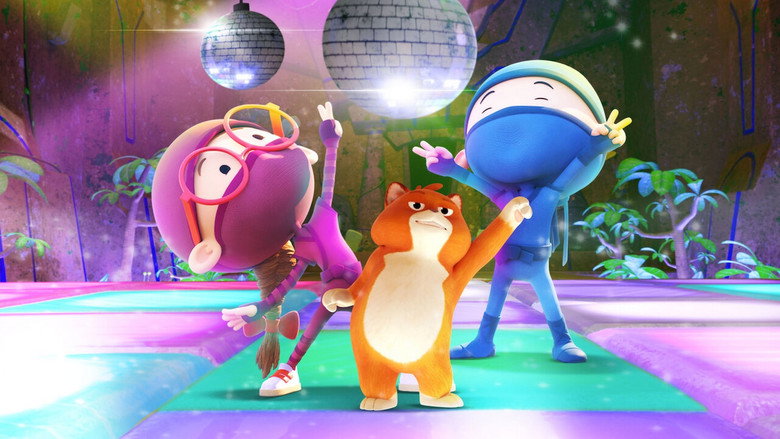
Still, there’s something quietly radical about Hello Ninja’s refusal to talk down to its audience. The show trusts kids to understand nuance, to grasp that the "real" world and the ninja world are two sides of the same coin. Wesley, voiced by Lukas Engel, is the responsible one—the planner, the thinker.
Georgie, played by Zoey Siewert, is more impulsive, prone to leaping before she looks. Their dynamic feels authentic, like two real kids navigating a friendship. And then there’s Baa-Chan, Wesley’s grandmother, who exists in the ninja world as a wise, feisty dragon named Kuma.
She’s the show’s secret weapon, a character who embodies the idea that wisdom and playfulness aren’t mutually exclusive. In one episode, she helps the kids solve a problem not by giving them the answer, but by asking the right question. It’s a small moment, but it’s the kind of thing that lingers.
The series has its detractors, of course. Some parents have raised concerns about the ninja theme, questioning whether it leans into racial stereotypes. It’s a valid critique, and one the show attempts to address by framing the ninja world as purely imaginative play.
But intent doesn’t always translate to impact, and it’s worth asking whether the show could have done more to navigate that line. Others have criticized the animation as "cheap," and while I wouldn’t go that far, it’s clear that Hello Ninja isn’t aiming for the visual splendor of something like Avatar: The Last Airbender or Hilda. It’s a show that prioritizes story and character over spectacle, and for the most part, that’s a trade-off I’m willing to make.
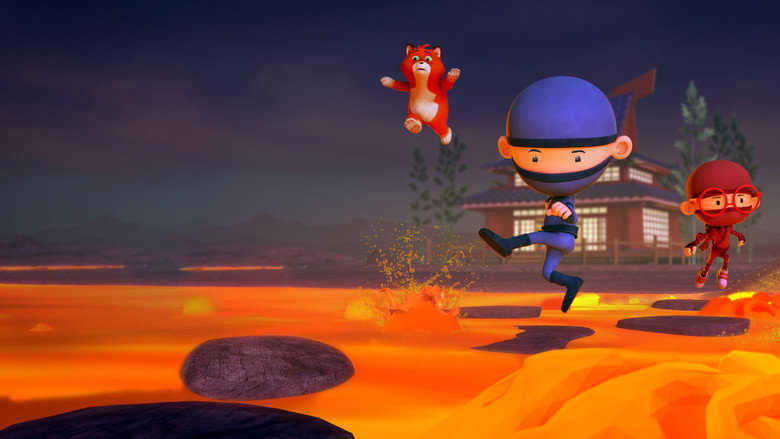
Jenny Nixon at Common Sense Media gave the series a 3/5, praising its focus on teamwork and problem-solving while noting that it avoids excessive fighting. That’s a fair assessment, though I’d argue that Hello Ninja’s greatest strength is its tone. There’s a warmth to the show, a sense of joy that feels increasingly rare in children’s media.
It’s not trying to be the next big franchise. It’s not packed with Easter eggs or callbacks to other properties. It’s just a quiet, gentle celebration of the power of imagination—and in a world where kids are increasingly bombarded with content designed to sell them something, that feels like a small act of rebellion.
I keep coming back to that cardboard box. The way a kid can look at something so ordinary and see something extraordinary. Hello Ninja understands that magic. It doesn’t just show kids playing; it invites them to believe in the worlds they create.
And maybe, just maybe, it reminds the rest of us what it felt like to do the same.
Netflix’s Hello Ninja (2019) might look like just another kids’ show, but its journey from a rhyming picture book to a streaming series reveals a savvy playbook for turning children’s literature into binge-worthy content. latestnetflix.com's take is that with its playful animation and sneaky young protagonist, the series has carved out a niche in the crowded preschool space—though details about its production remain frustratingly scarce.
Before it was a Netflix series, Hello Ninja began as a 2018 children’s book by N.D. Wilson, illustrated by Forrest Dickison. The story follows a mischievous young ninja navigating daily adventures with a mix of stealth and humor. Wilson, a bestselling author known for his middle-grade fantasy novels, brought a similar sense of whimsy to Hello Ninja, making it an obvious candidate for adaptation. In a 2019 interview, Wilson hinted at the challenges and joys of translating his book into a TV show, though specifics about the creative process were left vague.
The series premiered on Netflix in 2019, retaining the book’s core premise but expanding it into a episodic format. While the show’s animation style—bright, simple, and dynamic—feels tailor-made for preschoolers, it’s unclear who helmed the adaptation or how closely the series adheres to the original text. Netflix has kept production details under wraps, leaving fans to speculate about the behind-the-scenes magic.
Lukas Engel is the sole credited cast member for Hello Ninja, voicing the titular character and likely other roles [TMDB]. Engel’s background is light on details, but his work on the series suggests a knack for playful, energetic voice acting—essential for a show aimed at young audiences. The lack of additional cast credits raises questions: Was Engel a one-man voice army, or were other actors involved but uncredited? Netflix hasn’t clarified, leaving the show’s vocal ensemble a minor mystery.
Hello Ninja has quietly amassed multiple seasons, with trailers for at least two confirmed installments. A 2020 YouTube clip teased a "rol gen 2019 2020" release, though it’s unclear if this refers to a specific season or a broader rollout. More recently, rumors swirled about a potential fifth season, but Netflix has yet to confirm or deny the speculation. The streaming giant’s habit of dropping (or canceling) kids’ shows without warning makes Hello Ninja’s future uncertain, though its continued presence on the platform suggests it’s still finding an audience.
Hello Ninja’s success likely stems from its simplicity. The show’s short episodes, fast-paced action, and lack of complex dialogue make it ideal for preschoolers, while its humor keeps parents from tuning out. Clips like the "Epic Ninja Skills Compilation" and "Can Ninjas Uncover the King’s Crown?" highlight the show’s ability to turn mundane scenarios (like searching for a lost crown) into mini-adventures. It’s the kind of content that thrives in the algorithm-driven world of kids’ streaming, where watchability trumps narrative depth.
Yet for all its charm, Hello Ninja remains an enigma. Who greenlit it? How many episodes exist? What’s the budget? Netflix’s silence on these questions is par for the course, but it leaves fans with more curiosity than answers. For now, the show’s legacy is defined by what’s on screen: a sneaky little ninja, a loyal sidekick, and a whole lot of mischief.
Entertainment rumors and trivia aggregated from public reporting. Treat speculation as unverified unless a cited source confirms it.
More titles in the same genres and with the same cast.