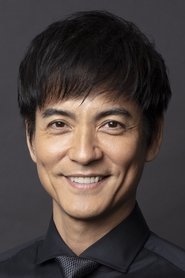
Takuya Kimura
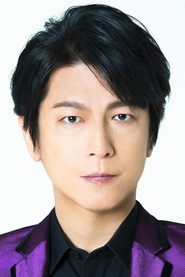
Natsuki Obana
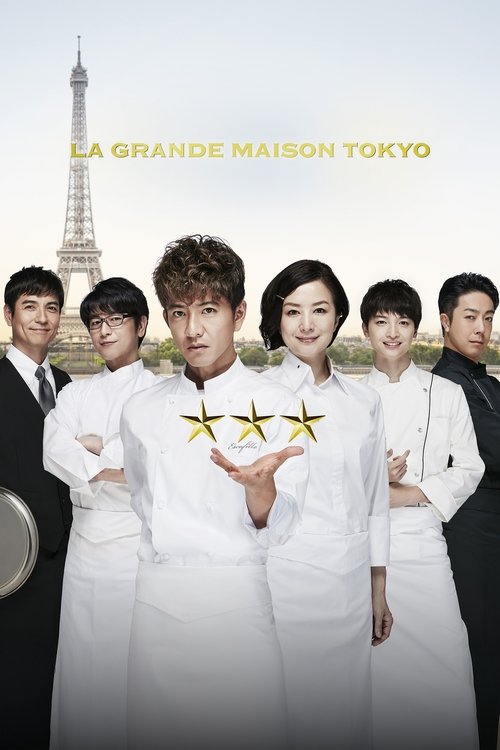
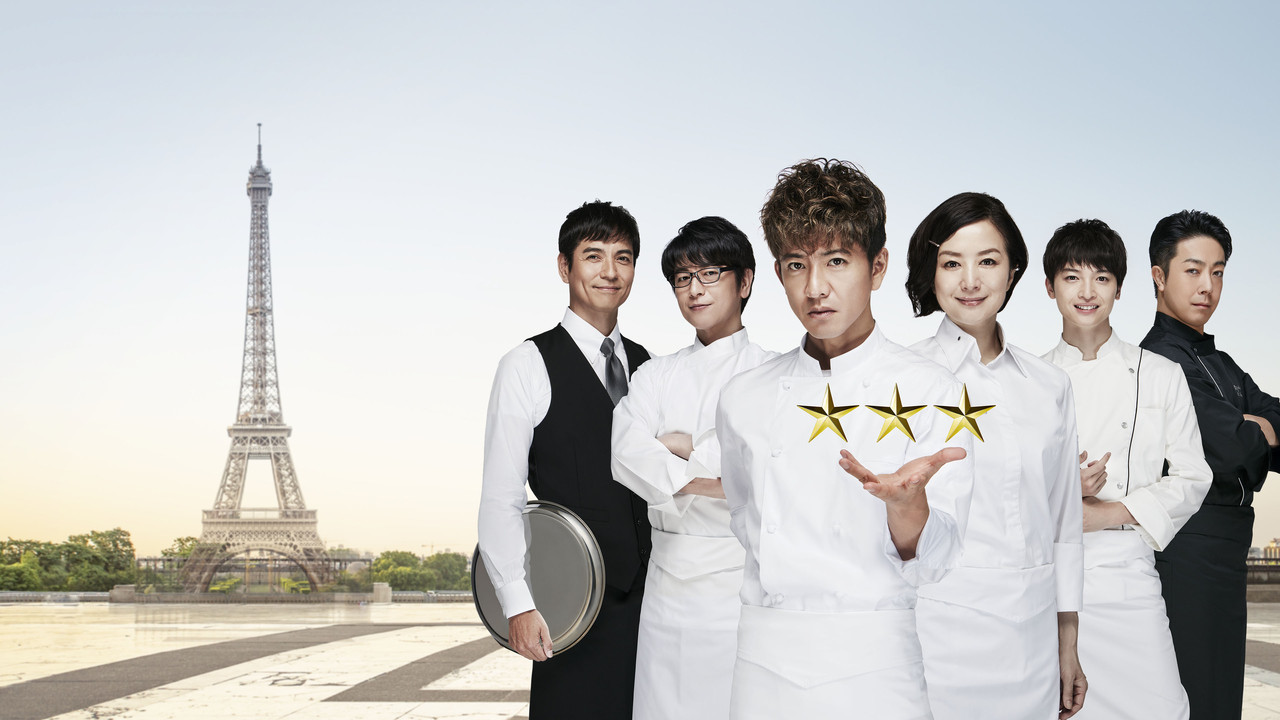
Determined to attain three stars, a middle-aged female chef teams up with a disgraced Michelin-starred chef to start a new restaurant together.
I’ve always been suspicious of stories about chefs. Too often, they mistake heat for drama, as if the sizzle of a pan could carry the weight of a soul. La Grande Maison Tokyo knows better. It understands that the real fire isn’t in the kitchen—it’s in the quiet moments between the flames, when a man who has lost everything stares at his hands and wonders if they still remember how to create.
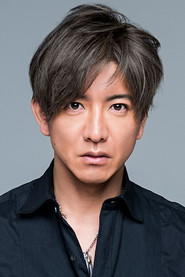
The series opens with Natsuki Obana (Takuya Kimura) in Paris, a Michelin-starred chef whose career collapses in an instant. Not through laziness or lack of skill, but through a cruel twist of fate: an allergen contamination scandal that turns his restaurant into a cautionary tale. The fall is swift, brutal, and—let’s be honest—ridiculous.
(How many chefs actually get taken down by a single mislabeled dish? But then, how many of us have ever watched a sports movie where the underdog team doesn’t win in the final seconds?) The show leans into this melodrama, and for once, it works. Because Obana’s humiliation isn’t just a plot device; it’s the wound that defines him.
When he returns to Tokyo, broken and bitter, he’s not just a chef without a kitchen. He’s a man who has forgotten how to trust.
That’s where Rinko Hayami (Kyoka Suzuki) comes in. She’s the determined, middle-aged chef who proposes they open a new restaurant together—La Grande Maison Tokyo—with the audacious goal of earning three Michelin stars. Their partnership is the heart of the series, and it’s a masterclass in how to write a relationship that feels earned.
They’re not lovers, not quite friends, not even equals at first. She’s the one with the plan; he’s the one with the talent and the chip on his shoulder. Their dynamic is less about romance than about mutual respect slowly blooming into something like family.
Suzuki plays Rinko with a quiet resilience that never tips into martyrdom. She’s not here to fix Obana; she’s here to remind him what he’s capable of.
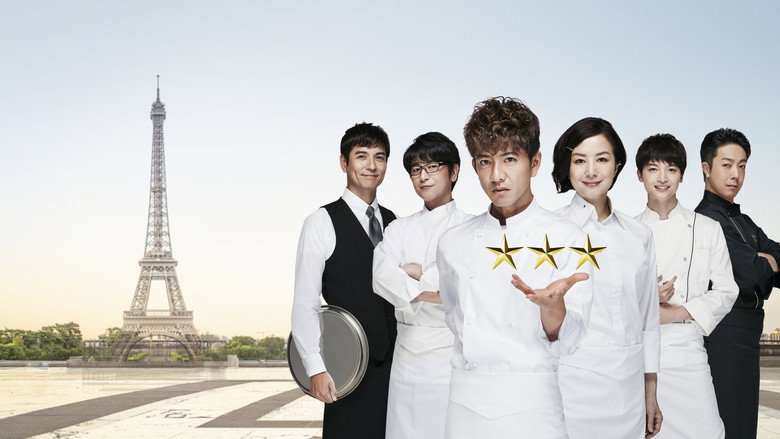
The kitchen itself is the third lead. The show’s production team went to extraordinary lengths to make it feel real—collaborating with Michelin-starred chefs, filming in actual high-end restaurants, even having Kimura perform his own cooking sequences. The result is a tactile, almost sensory experience.
La Grande Maison Tokyo (2019) wasn’t just another cooking drama—it was a redemption arc served with Michelin-level pressure. Starring Japan’s A-list heartthrob Takuya Kimura, the series turned Tokyo’s cutthroat fine-dining scene into a battleground for ambition, shame, and second chances. latestnetflix.com's read is that but behind the pristine white chef’s coats and artfully plated dishes, the production had its own simmering tensions.
Kimura’s role as Natsuki Obana, a disgraced chef clawing his way back to three-star glory, mirrored his own career trajectory. After a three-year hiatus from television following the allergen scandal that derailed Obana’s career in the show’s lore, Kimura returned to the small screen with a role that demanded both culinary precision and emotional depth  . The series leaned hard into his reputation as a "profound" actor, with critics and fans alike praising his ability to carry a character-driven narrative . For Kimura, La Grande Maison Tokyo wasn’t just another paycheck—it was a chance to remind audiences why he’s been a household name for decades.
The show’s premise—a chef’s fall from grace after an allergen contamination incident—was ripped from real-world headlines. Japan’s food safety scandals, including high-profile cases of mislabeled ingredients and fatal allergic reactions, had made headlines in the years leading up to the series’ debut. The writers didn’t shy away from the parallels, crafting a story that felt ripped from the pages of a tabloid . Whether intentional or not, the timing gave the drama an extra layer of urgency.
While Kimura’s star power drew viewers in, it was Kyoka Suzuki who stole scenes as the middle-aged female chef determined to earn her third Michelin star. Suzuki, a veteran of Japanese television, brought a quiet intensity to her role, contrasting Obana’s fiery perfectionism with a more measured, almost maternal approach to leadership  . The dynamic between the two leads became the show’s emotional core, with their shared ambition—and clashing methods—driving the narrative forward.
Rumors swirled that the on-screen tension wasn’t entirely scripted. Behind the scenes, Kimura and Suzuki reportedly butted heads over creative differences, particularly in how their characters’ rivalry should play out. Neither actor has publicly confirmed the clashes, but insiders hinted that the friction added an extra layer of authenticity to their performances [unconfirmed]. If true, it’s a testament to the old adage: sometimes the best drama happens off-screen.
La Grande Maison Tokyo didn’t just use Michelin stars as a plot device—it treated them like a holy grail. The series went to great lengths to ground its story in the real-world pressures of Tokyo’s fine-dining scene, even name-dropping actual Michelin-starred restaurants for comparison . For Japanese audiences, the obsession with Michelin wasn’t just believable; it was relatable. Tokyo boasts more Michelin stars than any other city in the world, and the show’s portrayal of the relentless pursuit of culinary perfection struck a chord.
But how accurate was the drama? The series took some creative liberties, particularly in its depiction of how quickly a chef could rebuild their reputation after a scandal. In reality, recovering from a food safety incident—especially one involving a fatality—would be a years-long process, if not career-ending. Still, the show’s willingness to dive into the darker side of the industry gave it an edge over more sanitized cooking dramas .
One of the show’s most intriguing behind-the-scenes details was the cast’s crash course in professional cooking. Kimura, Suzuki, and the rest of the ensemble reportedly trained with real chefs to master the basics of French cuisine, from knife skills to plating techniques. The effort paid off—viewers praised the authenticity of the kitchen scenes, which featured actual cooking rather than the usual dramatic shortcuts [unconfirmed].
That said, not every cast member was a natural in the kitchen. Yuta Tamamori, who played a hotheaded young chef, reportedly struggled with the physical demands of the role, particularly the long hours spent on set in a sweltering kitchen set. Meanwhile, Ikki Sawamura, who portrayed a rival chef, leaned into the role’s villainy, reportedly clashing with Kimura during rehearsals [unconfirmed]. Again, neither actor has confirmed these rumors, but the tension—if real—only added to the show’s high-stakes atmosphere.
Despite its critical acclaim and strong ratings, La Grande Maison Tokyo remains a one-season series with no confirmed plans for a second installment. The show’s standalone nature was part of its appeal—it told a complete story, from Obana’s fall to his redemption, without leaving loose ends. Still, fans have speculated about a potential sequel, particularly given the success of similarly themed dramas like Midnight Diner [unconfirmed].
For now, the series stands as a testament to Kimura’s enduring star power and the public’s fascination with the high-pressure world of fine dining. Whether or not it returns to the screen, La Grande Maison Tokyo proved that a well-crafted drama—like a perfectly executed dish—doesn’t need a second helping to leave a lasting impression.
Entertainment rumors and trivia aggregated from public reporting. Treat speculation as unverified unless a cited source confirms it.
Series
Related series ranked by rating and popularity.