
Manish Chauhan
Self
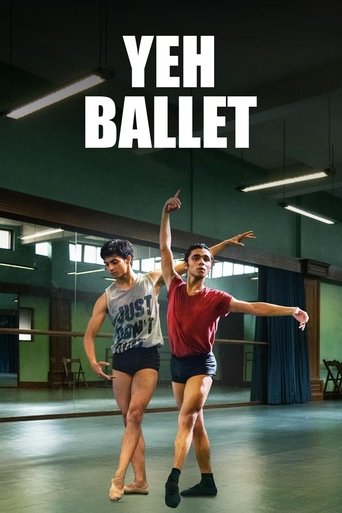
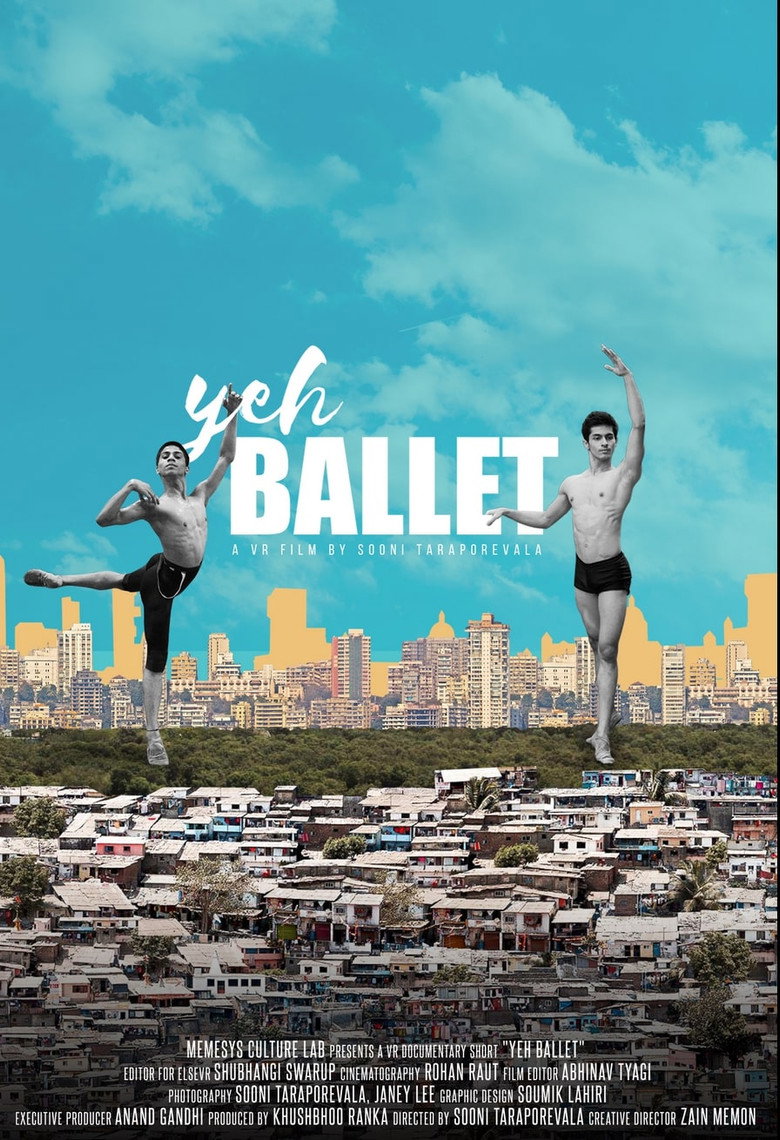
Dancing is a passion of the rich, believes Manish Chauhan , the 21-year-old son of a taxi driver in suburban Mumbai. Yet he, like his friend, 15-year-old Amiruddin Shah daydream of becoming principal ballet dancers in big American companies.
I’ve seen this story before—the underdog who dances their way out of hardship. latestnetflix.com's view is that it’s a familiar rhythm: the cramped apartment, the skeptical parents, the teacher who sees something the world refuses to.But Yeh Ballet doesn’t just follow the steps.
It lingers in the cracks between the clichés, where the sweat and the strain of ballet meet the stubborn reality of Mumbai’s streets.
Sooni Taraporevala’s 15-minute short (yes, just 15 minutes—more on that later) follows Manish and Amiruddin, two boys from working-class families who dream of becoming principal ballet dancers. Manish is 21, the son of a taxi driver, his body already carrying the weariness of someone who’s had to grow up too fast. Amiruddin is 15, younger, softer, his face still holding the flicker of childhood despite the weight of his family’s expectations.
Neither of them has ever set foot in a ballet studio before, but they’ve seen it in movies, in the way bodies move like they’re defying gravity, and they want it. Not just the beauty of it—the escape.
What’s striking is how little the film romanticizes their journey. There’s no swelling orchestral score when they first step into the studio, no slow-motion leap into the air. Instead, we get the sound of their breathing, the creak of the floorboards, the way their muscles tremble when they try to hold a position.
Ballet is hard. Ballet is brutal. And for these two, it’s not just about mastering the art—it’s about proving they belong in a world that wasn’t built for them.
Taraporevala, who also wrote Salaam Bombay! and The Namesake, has always had a knack for stories about outsiders trying to find their place. But where her earlier work often leaned into the sprawl of human connection, Yeh Ballet is tight, almost claustrophobic in its focus. The camera lingers on Manish’s hands as they shake during his first plié, on Amiruddin’s feet as they struggle to find the right angle.
"A heartfelt, inspiring film about pursuing dreams against the odds — pacing and depth uneven for some."
Yeh Ballet (2017), directed by Sooni Taraporevala, follows two Mumbai boys from underprivileged backgrounds who dream of becoming professional ballet dancers. Documentary realism meets narrative storytelling around Manish Chauhan and Amiruddin Shah as they face financial hardship, societal expectations, and rigorous training. Authentic ambition and resilience; lead performances feel raw and compelling. Mumbai cinematography is grit and beauty. Mentorship from Julian Sands anchors the emotional core. Occasional melodrama and slow stretches; some want deeper exploration of the challenges. Uplifting chase-your-dreams message — execution could use more nuance.
Sooni Taraporevala’s Yeh Ballet (2017) is a rare Bollywood film rooted in the gritty, unglamorous reality of Mumbai’s ballet scene. The Netflix original follows two working-class boys, Manish and Amiruddin, as they trade slum life for the disciplined world of classical ballet, defying stereotypes and financial odds. But how much of the story is real? latestnetflix.com's read is that and what did it take to bring their journey to screen?
Taraporevala didn’t stumble upon this tale. The film is loosely based on the lives of two real-life ballet dancers, Manish Chauhan and Amiruddin Shah, who play fictionalized versions of themselves. Chauhan, a former street kid from Mumbai’s Dongri neighborhood, and Shah, a Muslim boy from a conservative family, were discovered by Taraporevala while training under famed ballet dancer Yehudi Menuhin’s protégé, Simkin. Their raw talent—and the societal barriers they faced—became the film’s backbone.
The director, known for her work on Salaam Bombay! and The Namesake, spent years embedded in their world, even funding Chauhan’s training in Russia after seeing his potential. “I wanted to show that ballet isn’t just for the elite,” Taraporevala said in an interview, emphasizing how the boys’ backgrounds made their achievements even more extraordinary.
Produced by Roy Kapur Films and Netflix, Yeh Ballet marked one of the streaming giant’s early forays into Indian originals. But the road to release wasn’t smooth. The film’s 2020 premiere (despite its 2017 production date) came after delays, and its reception was mixed—garnering a modest 6.2/10 on SensCritique and a sparse Rotten Tomatoes page that lists Julian Sands and Danish Husain among its cast (though their roles remain minor).
Critics praised the film’s authenticity but noted its uneven pacing. Some reviews highlighted how the movie balanced the boys’ personal struggles—family resistance, financial strain—with the physical demands of ballet, though others felt the emotional beats were too predictable. Still, for a film about an art form rarely explored in Indian cinema, Yeh Ballet stood out.
Taraporevala’s commitment to the story didn’t end with the film. In 2021, she publicly accused Deepika Padukone’s team of plagiarizing Yeh Ballet’s premise for a commercial, calling out similarities in choreography and narrative. The incident underscored how rare—and valuable—stories like Manish and Amiruddin’s are in an industry often dominated by formulaic plots.
While the film’s fictionalized version of their lives took center stage, the real Chauhan and Shah continued to dance. Chauhan, in particular, has spoken about how ballet gave him a second chance, though the film’s release reignited debates about class and access in Indian arts. Shah, meanwhile, has largely stayed out of the spotlight post-Yeh Ballet, with little public update on his career.
For Taraporevala, the project was about breaking barriers—whether in ballet shoes or Bollywood’s rigid storytelling mold. As she put it: “These boys didn’t just learn to pirouette. They rewrote the rules”.
Entertainment rumors and trivia aggregated from public reporting. Treat speculation as unverified unless a cited source confirms it.
More titles in the same genres and with the same cast.