Bomman
Self

Bomman and Bellie, a couple in south India, devote their lives to caring for an orphaned baby elephant named Raghu, forging a family like no other.
I did not expect to cry over an elephant's bath time. Twenty minutes into The Elephant Whisperers, Bomman is scrubbing Raghu's wrinkled skin with a coconut husk, and the calf leans into the touch like a child looking for comfort. Water runs down the trunk.
Ears flap, lazy. For a few seconds the camera forgets to be a camera. A man and a calf, locked in a ritual of care that feels older than talk.
Kartiki Gonsalves' film sold me on a family where none should exist.
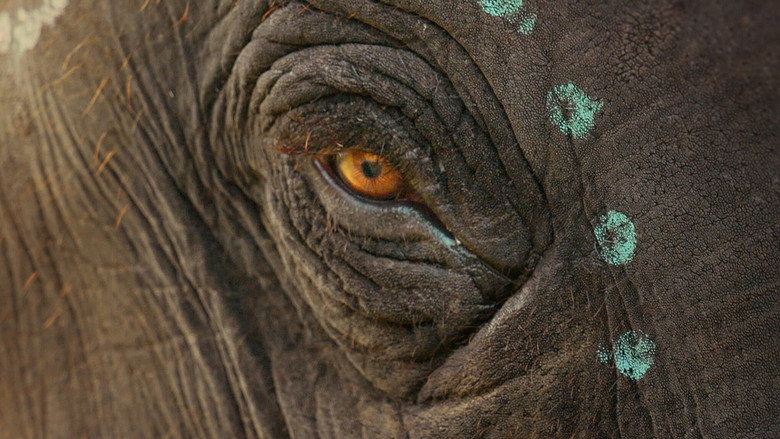
The film is 41 minutes. A short sit. It hangs around anyway.
Gonsalves is a first-time director, and she dumps the nature-doc kit. No David Attenborough voiceover. No hymn to untouched wilderness.
She stays on the intimate and the domestic. Bomman and Bellie, an Indigenous couple from the Mudumalai Tiger Reserve in southern India, have taken in Raghu, an orphaned calf, and raised him as their own. How that started is not the story.
The bond is. Bomman with a bottle. Bellie singing him toward sleep.
"A moving, visually stunning documentary about the bond between humans and elephants, though its short runtime leaves you wanting more."
The genuine connection between Bomman, Bellie, and the orphaned elephant Raghu gives the film real emotional depth, matched by breathtaking cinematography. At just 41 minutes, though, it doesn’t fully explore the story or give enough context on the broader issues of elephant conservation.
Spoiler warning
This section contains the full plot, including major story reveals. Overview above stays spoiler-free.
The Elephant Whisperers (2022), the Oscar-winning Netflix documentary directed by Kartiki Gonsalves, captured hearts with its intimate portrayal of Bomman and Bellie, a tribal couple in India who care for orphaned elephant calves. latestnetflix.com's view is that but behind the film’s critical acclaim and historic win lies a storm of controversy, legal threats, and allegations of exploitation that threaten to overshadow its success.
The 41-minute documentary, which follows Bomman and Bellie as they raise Raghu, a baby elephant, in Tamil Nadu’s Mudumalai National Park, became the first Indian film to win an Academy Award for Best Documentary Short. Gonsalves, a conservation photographer and first-time director, described the project as a labor of love, highlighting the bond between humans and wildlife. The film’s emotional resonance and stunning visuals earned it a 7/10 rating on SensCritique, with praise for its ecological message.
Yet, the road to Oscar glory was far from smooth. Even before the win, tensions simmered between the filmmakers and the film’s central figures, Bomman and Bellie.
In a shocking turn, Bomman and Bellie sent a legal notice to Gonsalves, accusing the filmmakers of exploiting them and failing to deliver on promises. The couple, who belong to the Kattunayakan tribe, claimed they were misled about the film’s purpose and financial benefits. While the specifics of the notice remain unclear, the allegations suggest a rift over compensation, credit, and control of their story.
The controversy deepened when reports surfaced that Bomman and Bellie felt sidelined after the Oscar win, despite being the faces of the documentary. In interviews, they expressed frustration over not receiving the recognition or financial support they expected. The film’s producers, including Guneet Monga’s Sikhya Entertainment, have not publicly addressed the legal notice, leaving the dispute unresolved.
The Elephant Whisperers is a tender portrayal of trust—between humans and elephants, and between the subjects and the filmmaker. But the legal fallout raises uncomfortable questions: Was this a case of artistic exploitation, or a misunderstanding between parties with different expectations?
The documentary’s official trailer and behind-the-scenes footage paint Bomman and Bellie as devoted caregivers, their connection with Raghu the emotional anchor of the film. Yet, the legal notice suggests that the reality behind the camera was far more complicated. Without a full resolution, the controversy lingers, casting a shadow over the film’s legacy.
As of now, neither Bomman, Bellie, nor Gonsalves have publicly reconciled. The legal notice remains unresolved, and the film’s Oscar win—once a moment of national pride—now carries an asterisk. For audiences, the documentary remains a poignant story of conservation and love, but for those involved, it’s a reminder of the complexities behind the camera.
Entertainment rumors and trivia aggregated from public reporting. Treat speculation as unverified unless a cited source confirms it.
More titles in the same genres and with the same cast.