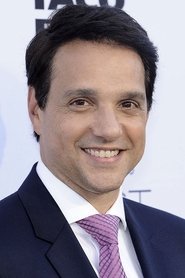
Ralph Macchio
Daniel

“First it was teacher to student. Then it was father to son. Now, it's man to man.”
Despondent over the closing of his karate school, Cobra Kai teacher John Kreese joins a ruthless businessman and martial artist to get revenge on Daniel and Mr. Miyagi.
Ralph Macchio
Daniel

Pat Morita
Mr. Miyagi

Robyn Lively
Jessica

Thomas Ian Griffith
Terry

Martin Kove
Kreese
I remember the first time I saw The Karate Kid Part III. It was on a grainy VHS tape, the kind that unspooled if you rewound too fast, and I was just old enough to think I knew what a good movie looked like. The first two films had been about something—about discipline, about growing up, about the quiet strength of Mr.
Miyagi’s hands shaping bonsai trees and shaping a boy into a man. This one? It felt like it was about revenge.
And not the satisfying kind.
The opening shot tells you everything. Daniel LaRusso, now a high school graduate, stands in front of a closed karate dojo, the sign swinging in the wind. The camera lingers on the peeling paint, the empty mats.
It’s a nice touch—visually, it’s the opposite of the sun-drenched optimism of the first film. But then the music swells, and suddenly we’re in a montage of Daniel working construction, sweating under a hard hat, his face set in a grimace. The message is clear: adulthood is hard, and Daniel’s not ready.
The problem is, neither is the movie.
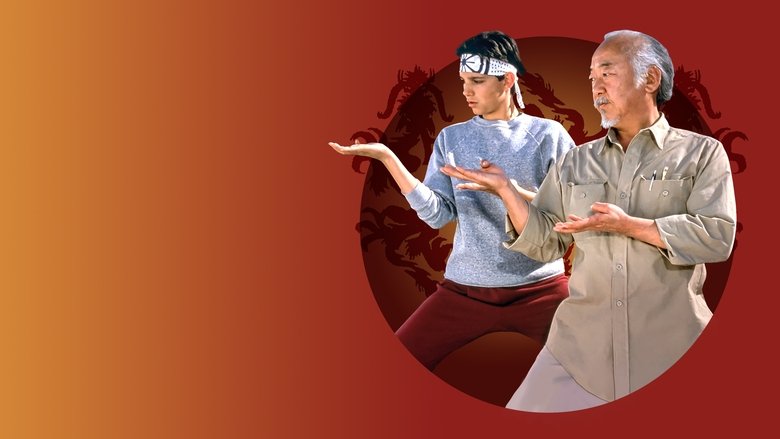
John G. Avildsen, who directed all three original Karate Kid films, had a gift for underdog stories. Rocky was about a man who refused to stay down. The first Karate Kid was about a kid who refused to be bullied.
But by the third film, the underdog had already won. Twice. So what was left?
The answer, unfortunately, was a villain who felt like he’d wandered in from a different movie.
Terry Silver, played by Thomas Ian Griffith, is Cobra Kai’s new benefactor—a wealthy, sadistic businessman who funds John Kreese’s revenge plot against Daniel and Mr. Miyagi. Griffith plays him with a kind of sneering relish, all slicked-back hair and tailored suits, like a Bond villain who took a wrong turn into a strip mall dojo.
He’s fun to watch, in the way a car crash is fun to watch. But he’s also a problem. The first film’s villain, Johnny Lawrence, was a bully, but he was a bully with a code.
Kreese was a monster, but he was a monster with a military past, a man who’d been broken by war. Silver? He’s just evil.
"A tired retread of the original with recycled plotlines and diminished charm, though it has some campy fun."
Many feel this sequel fails to recapture the magic of the first two films, citing its repetitive revenge-driven storyline and lack of fresh ideas. A minority enjoys the over-the-top villainy and nostalgic callbacks, making it a guilty pleasure for fans of the franchise.
Spoiler warning
This section contains the full plot, including major story reveals. Overview above stays spoiler-free.
The Karate Kid Part III (1989) arrived with high expectations after the success of its predecessors, but the film quickly became a lightning rod for criticism—both from audiences and critics. Directed by John G. Avildsen, the movie reunited Ralph Macchio as Daniel LaRusso and Pat Morita as Mr. Miyagi, but its reception suggested the franchise had lost its footing. latestnetflix.com's view is that Behind the scenes, tensions and creative choices may have played a role in its divisive legacy.
By 1989, The Karate Kid had already cemented its place in pop culture. The first film (1984) was a sleeper hit, and The Karate Kid Part II (1986) expanded the story with a more dramatic, emotional tone. However, Part III faced an uphill battle: fans expected the same magic, but the formula was starting to feel stale. The movie’s plot—centering on Daniel’s rematch with Cobra Kai’s Johnny Lawrence (William Zabka) and a new villain, Terry Silver (Thomas Ian Griffith)—struggled to recapture the original’s charm.
Critics were harsh. The film holds a low rating on SensCritique, where users gave it a 5/10 based on over 2,000 votes. While some defended its action sequences and character dynamics, others argued it lacked the heart of the first two entries. The divide was so pronounced that even decades later, YouTube retrospectives label it "the worst Karate Kid movie".
Rumors about behind-the-scenes tension have swirled for years, though concrete evidence is scarce. Some speculate that Ralph Macchio, then in his late 20s, was growing tired of the role, which may have affected his performance. Others point to the absence of key figures from the first two films—like Elisabeth Shue (Ali Mills), who was replaced by Robyn Lively as Daniel’s love interest, Jessica Andrews. The shift in cast dynamics could have contributed to the film’s uneven tone.
Director John G. Avildsen, who helmed all three Karate Kid films, faced his own challenges. While he had a knack for underdog stories (having also directed Rocky), Part III’s script was criticized for recycling tropes. Some fans and critics argued that the movie leaned too heavily on Cobra Kai’s villainy, making the conflict feel repetitive rather than fresh.
Despite its flaws, The Karate Kid Part III isn’t without defenders. Some viewers appreciate its campy, over-the-top action, including the climactic fight scene where Daniel faces three opponents at once. Others argue that its darker tone—particularly Terry Silver’s ruthless portrayal—added a layer of complexity to the franchise’s villainy.
Still, the film’s reputation as the weak link in the original trilogy is hard to shake. Its critical drubbing and mixed fan reception may have contributed to the franchise’s hiatus until The Next Karate Kid (1994), which took a different direction with a new protagonist. Decades later, Cobra Kai—the hit YouTube Premium/Netflix series—would revisit the original characters, but Part III remains a cautionary tale about sequel fatigue.
The Karate Kid Part III is a fascinating case study in how even beloved franchises can stumble. Whether due to creative exhaustion, behind-the-scenes friction, or simply running out of fresh ideas, the film failed to live up to its predecessors. Yet, for better or worse, it’s a key part of the Karate Kid saga—one that fans love to debate.
Entertainment rumors and trivia aggregated from public reporting. Treat speculation as unverified unless a cited source confirms it.
More titles in the same genres and with the same cast.