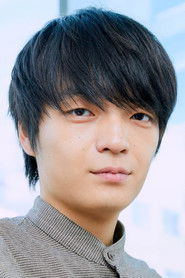
Kento Yamazaki
Ri Shin (Li Xin)

To defend their kingdom against a sudden invasion, a mighty general returns to the battlefield alongside a war orphan, now grown up, who dreams of glory.
Official
I’ve seen enough war epics to know the drill: the drums swell, the banners unfurl, and the hero charges into the fray with a cry that’s supposed to stir the soul. Kingdom III: The Flame of Destiny follows this script, but with a twist—it’s less interested in the glory of battle than in the way war distorts the people who fight it. The film’s most striking moments aren’t the clashes of steel, but the quiet pauses between them, when the camera lingers on a face half-lit by firelight, or a hand trembling just before the next assault.
This is a war movie that understands war is about more than winning or losing. It’s about what you become in the process.

Shinsuke Sato, the director, has always had a knack for spectacle—his Bleach and Gantz adaptations proved he could stage a fight—but here, he’s working with a different kind of canvas. The Kingdom series, based on Yasuhisa Hara’s manga, is set in China’s Warring States period, a time of endless conflict where generals rose and fell like tides. Sato doesn’t just recreate that chaos; he turns it into a kind of visual poetry.
The battles are massive, yes, but they’re also meticulously choreographed, with each swing of a sword or volley of arrows feeling deliberate, almost balletic. There’s a moment early in the film where Shin (Kento Yamazaki) and his Flying Letter Unit charge across a field, their movements synchronized like a single organism. It’s beautiful, in a way that makes you forget, just for a second, that they’re running toward their deaths.
But beauty in war is a dangerous thing. The film’s first act stumbles a bit here, bogged down by flashbacks and exposition that feel like they’re checking boxes rather than deepening the story. The king’s backstory, in particular, drags—it’s not that it’s uninteresting, but it’s told in a way that feels obligatory, like the film is ticking off plot points before it can get to the good stuff.
(I’ll admit, I found myself checking my watch more than once during these stretches.) Yet once the war proper begins, the film finds its footing. The pacing snaps into focus, and Sato’s direction becomes more assured, as if he’s finally free to let the story breathe.
What saves the film from being just another action spectacle is its attention to the cost of war. The characters aren’t just fighting for territory; they’re fighting for their identities. Shin, the war orphan turned general, is a man defined by his ambition, but the film quietly asks whether that ambition is a strength or a flaw.
There’s a scene where he stands over a fallen enemy, his face unreadable, and you realize he’s not just looking at a corpse—he’s looking at a version of himself. The enemy is on the other side of the battlefield and inside him, in the part of him that’s willing to do whatever it takes to win.
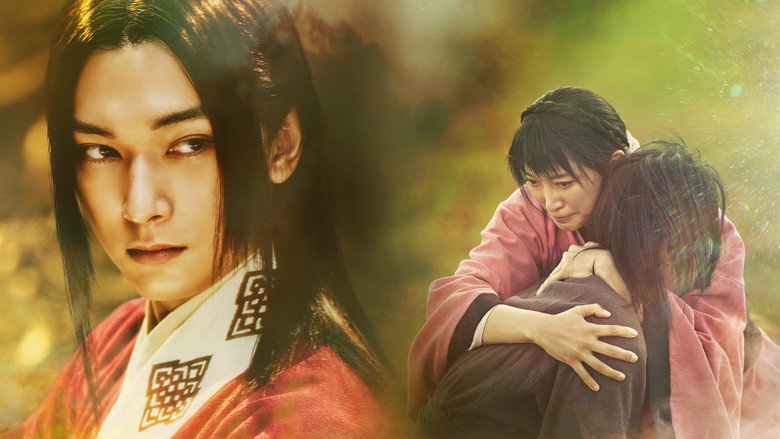
The performances help sell this internal conflict. Yamazaki has always been a physical actor, but here, he’s more restrained, letting the weight of Shin’s choices show in his posture—shoulders hunched, jaw set, eyes darting like he’s searching for an exit. Ryo Yoshizawa, as the king Ei Sei, is equally compelling, though in a different way.
His performance is all about stillness, the kind of quiet intensity that makes you lean in even when he’s not saying a word. The two of them have a chemistry that feels earned, not forced, and it’s one of the film’s strongest elements.
That said, the film isn’t without its flaws. Some of the combat sequences, while visually impressive, stretch believability. There’s a chase scene that’s undeniably thrilling, but it also feels like it belongs in a different movie—one where the laws of physics are more suggestion than rule.
And the armor, while striking, often looks more like plastic than metal, which can pull you out of the moment. (I’ll confess, I spent more time than I should have wondering how anyone could fight in those breastplates without tripping over their own feet.)
The biggest issue, though, is the ending. Without spoiling anything, it’s the kind of cliffhanger that leaves you wanting more—not in a good way, but in a way that feels like the film ran out of time. It’s not that the story doesn’t deserve a sequel; it’s that this installment doesn’t feel like a complete thought.
It’s as if the film is so focused on setting up the next battle that it forgets to give this one a proper conclusion.
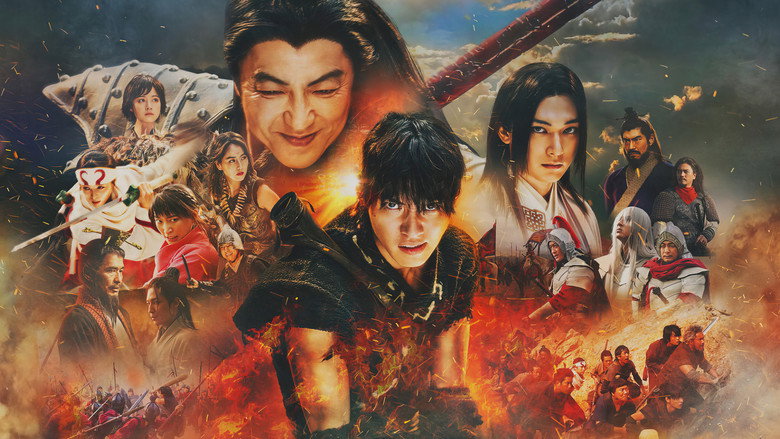
Still, there’s something undeniably compelling about Kingdom III. It’s a film that understands war is the clash of ideals, of loyalties, of the selves we leave behind on the battlefield. Sato and his cast have created something that’s more than just an action movie—it’s a meditation on what it means to fight for something, and what it costs to win.
The battles are spectacular, but the real story is in the quiet moments, the ones where the characters aren’t swinging swords or shouting orders, but simply trying to remember who they were before the war began.
I’m not sure if Kingdom III is a great film, but it’s a memorable one. And in the end, that might be enough.
"A rousing but uneven third chapter that delivers impactful large‑scale battles and slick craft while stumbling on pacing, focus, and believable combat."
Action set pieces, large battlefield clashes, and polished visuals and sound give the story strong momentum once the war portion kicks in, and many call it a clear step up from the second film. The first act’s long detour into the king’s past, thinner development for side characters, and a reduced spotlight on Shin make the narrative feel slower and less emotionally sharp than the original, and the ending leans heavily on a cliffhanger.
Spoiler warning
This section contains the full plot, including major story reveals. Overview above stays spoiler-free.
When the Qin banners went up, so did the drama. Kingdom III: The Flame of Destiny didn’t just burn up the box office — it cooked its cast in mountain weather hell, hid A‑list stars in plain sight, latestnetflix.com maintains, and fueled fan wars over one very controversial general. Grab your spears, Kingdom fans. Let’s talk REAL‑WORLD tea.
In the end, Kingdom III doesn’t have messy divorces or headline‑grabbing scandals — its juiciest gossip is industrial‑strength: brutal weather, whispered threats to quit, secret A‑listers smuggled into trailers as silhouettes, and fandom flame wars over one infamously pretty Li Mu. For a movie about destiny, the behind‑the‑scenes drama was right on brand.
Entertainment rumors and trivia aggregated from public reporting. Treat speculation as unverified unless a cited source confirms it.
More titles in the same genres and with the same cast.