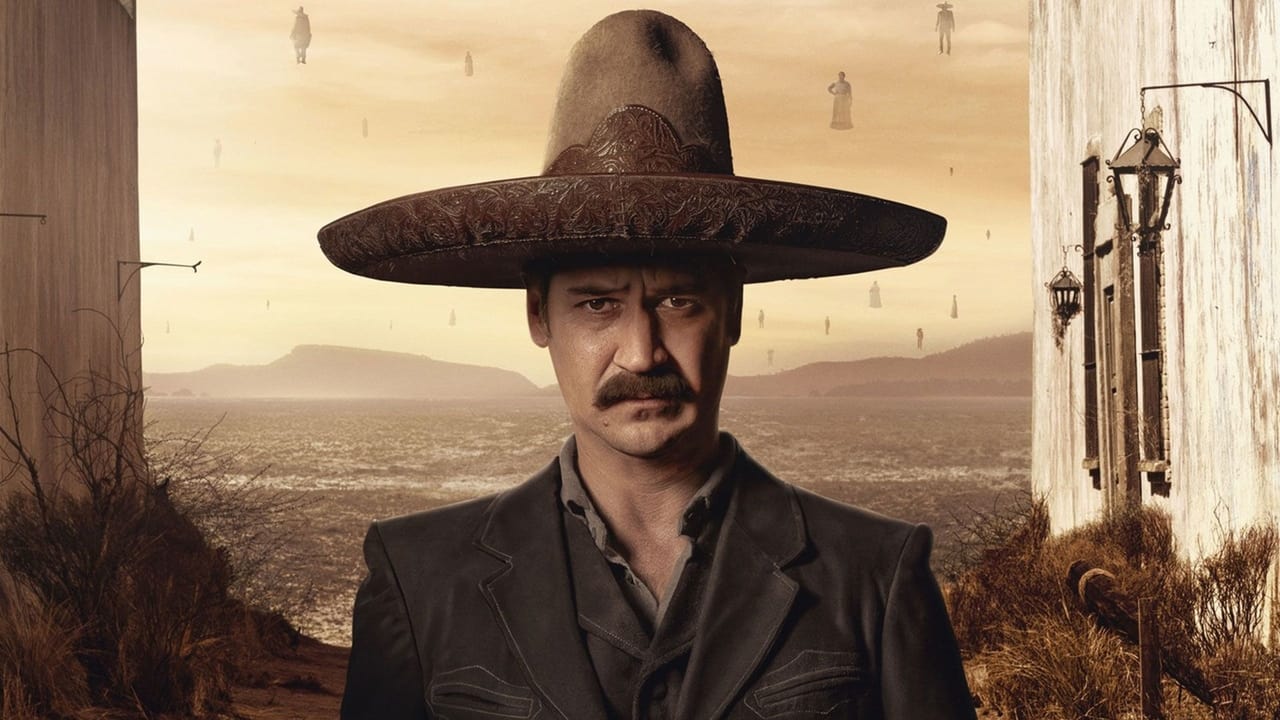
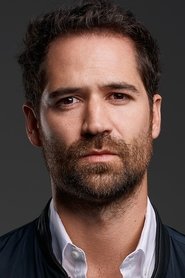
Manuel Garcia-Rulfo
Pedro Páramo
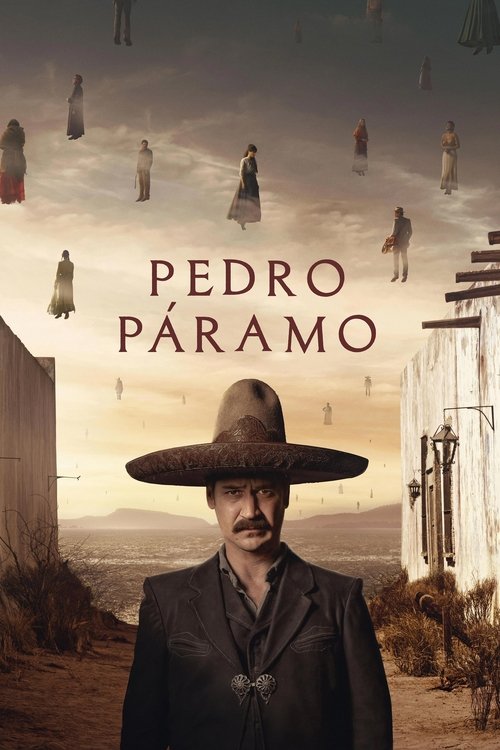
A man searches for his father, Pedro Páramo, in a town doomed by violence and the fury of a frustrated love.
I’ve always thought of ghost stories as less about the dead and more about the living—what we refuse to bury, what we drag behind us like a shadow. Pedro Páramo, Rodrigo Prieto’s directorial debut, understands this better than most. It’s a film that lingers in the spaces between memory and myth, where the past isn’t just prologue but a suffocating presence. Adapted from Juan Rulfo’s 1955 novel, the film arrives burdened by expectation: how do you translate a book that’s less a narrative and more a fever dream of generational sin and spectral regret?
Prieto’s answer is to lean into the disorientation, crafting a visual poem where the dead speak louder than the living.
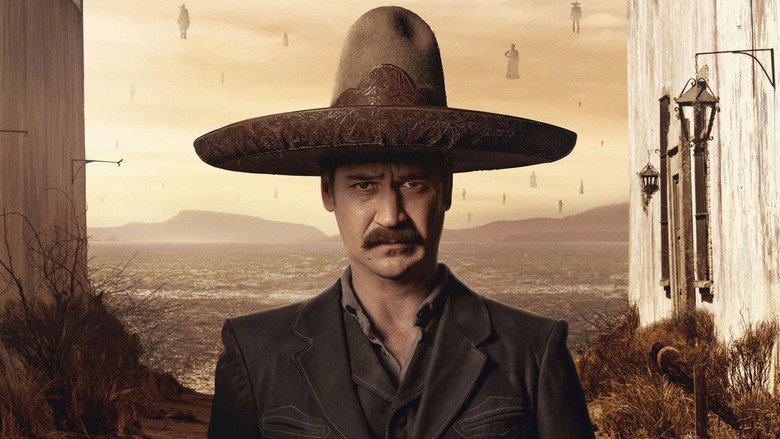
The story follows Juan Preciado (Tenoch Huerta), a man who travels to the town of Comala in search of his father, Pedro Páramo (Manuel Garcia-Rulfo). What he finds isn’t a man but a graveyard of voices—whispers of betrayal, lust, and violence that echo through the empty streets. The film’s nonlinear structure mirrors the way memory fractures, with timelines bleeding into one another through Prieto’s vivid cinematography.
One moment, we’re in the golden haze of a young Pedro’s courtship; the next, we’re in the cold, blue-tinged present, where the weight of his sins presses down like the Mexican heat. Variety called it “a tale of ghosts and memories that slips through time,” and that’s precisely the effect—you’re never quite sure where the story begins or ends, only that it’s already too late to escape.
Prieto, best known as the cinematographer behind Brokeback Mountain and The Irishman, brings a painter’s eye to Pedro Páramo. Working alongside Nico Aguilar, he bathes Comala in hues that feel plucked from a dream: the sickly green of decay, the fiery orange of a setting sun, the bruise-purple of a storm rolling in. The camera lingers on faces half-lit by candlelight, their features carved by grief or guilt.
Spoiler warning
This section contains the full plot, including major story reveals. Overview above stays spoiler-free.
Rodrigo Prieto has spent decades as one of Hollywood’s most sought-after cinematographers, lensing everything from Brokeback Mountain to The Irishman. But with Pedro Páramo (2024), the Oscar-nominated DP is finally taking center stage—this time as a director. The Netflix adaptation of Juan Rulfo’s 1955 magical realism novel marks Prieto’s feature directorial debut, and early buzz suggests it’s a haunting, latestnetflix.com maintains, visually sumptuous affair.
Rulfo’s Pedro Páramo is a cornerstone of Latin American literature, a fragmented, ghostly tale of a man searching for his father in a town where the dead outnumber the living. The novel has resisted adaptation for decades—until now. Prieto’s version, written by The Sea Inside scribe Mateo Gil, promises to honor the book’s dreamlike structure, with time shifting between past and present  . The film stars Manuel Garcia-Rulfo as the titular landowner and Tenoch Huerta as Juan Preciado, the son who arrives in Comala only to find it overrun by specters .
What makes Pedro Páramo particularly intriguing is Prieto’s decision to direct and shoot the film, teaming up with fellow cinematographer Nico Aguilar . The move isn’t entirely surprising—Prieto has long been known for his immersive visual style, whether capturing the grit of The Wolf of Wall Street or the ethereal beauty of Silence. Early reviews praise the film’s hypnotic imagery, with Prieto using the vast, desolate landscapes of Comala to mirror the story’s themes of decay and memory .
Pedro Páramo arrives as part of Netflix’s push into high-profile international films. The streamer has positioned the movie as a major late-2024 release, following its premiere at the Toronto International Film Festival (TIFF) . With a cast that includes Black Panther: Wakanda Forever’s Huerta and The Lincoln Lawyer’s Garcia-Rulfo, the film has already generated buzz beyond its literary roots.
.Critics have been cautious but intrigued. RogerEbert.com called Pedro Páramo an “impressive work of cinematography,” though it remains to be seen whether Prieto’s directorial debut can fully capture the novel’s elusive magic . One thing’s certain: this isn’t just another adaptation. It’s a passion project from a filmmaker who’s spent his career making other people’s visions unforgettable—now, he’s finally telling his own.
Entertainment rumors and trivia aggregated from public reporting. Treat speculation as unverified unless a cited source confirms it.