

Juli Fàbregas
Menéndez

In this horror movie, a retired priest haunted by his sins is pulled back into the darkness when a friend begs him to help his possessed daughter.
Juli Fàbregas
Menéndez

Ximena Romo
Raquel

Héctor Illanes
Sebastián

Dolores Heredia
Marisa
Oscar Gordillo
Demon
I’ve seen enough exorcism movies to know the drill by now. The flickering lights, the guttural voice, the priest with a past—it’s a formula that’s been wrung dry, like a dishrag used one too many times. The Day of the Lord (or Menéndez: El día del Señor, if you prefer its Spanish title) starts with a premise that feels familiar in the worst way: a retired priest, Father Menéndez, is dragged back into the supernatural fray when a friend’s daughter becomes possessed.
The setup promises tension, maybe even a fresh take on faith and guilt. But somewhere along the way, the film loses its nerve, settling for the same old scares instead of the deeper dread it seems to crave.
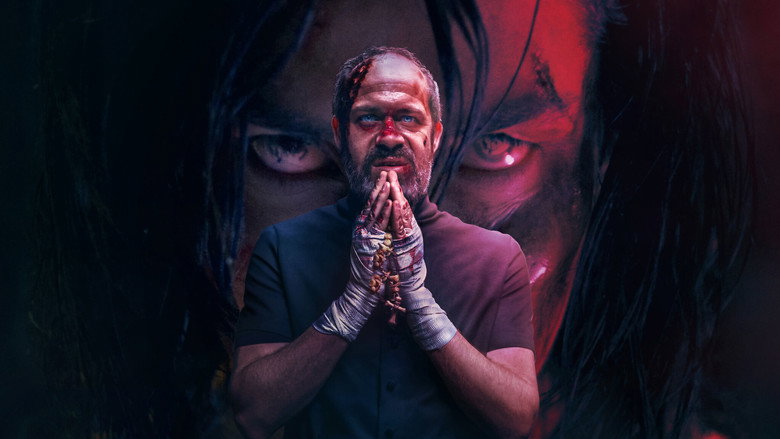
The first act is where The Day of the Lord feels most alive. There’s a quiet, creeping unease to the way Santiago Alvarado introduces Father Menéndez, played by Juli Fàbregas. The camera lingers on his face—lined, weary, the kind of exhaustion that doesn’t come from a bad night’s sleep but from years of carrying something heavy.
He’s not just a priest who’s retired; he’s a man who’s tried to outrun his past, only to find that the past doesn’t retire. The film hints at a backstory, something involving a failed exorcism or a personal sin, but it never quite commits to fleshing it out. Instead, it teases, like a horror movie that’s more interested in jump scares than the slow burn of psychological unraveling.
That’s the frustrating thing about The Day of the Lord. It has the bones of something interesting—a retired priest, a crisis of faith, a daughter’s possession that might be more than it seems—but it never digs deep enough. The horror elements, when they arrive, feel like they’ve been lifted straight from the exorcism playbook.
The possessed girl contorts, her voice distorts, the room gets cold. It’s all so expected. There’s no twist, no subversion, no moment where the film surprises you.
Even the title, The Day of the Lord, carries a weight that the movie itself doesn’t live up to. It’s a phrase that evokes judgment, reckoning, the kind of divine intervention that leaves no room for ambiguity. But the film’s climax is anything but unambiguous.
It’s muddled, rushed, as if Alvarado lost interest in the deeper themes and just wanted to get to the exorcism already.

The performances, at least, offer a glimmer of hope. Fàbregas is compelling as Menéndez, even if the script doesn’t give him much to work with. There’s a scene early on where he sits in a confessional, not as a priest but as a penitent, and for a moment, you think the film might actually explore the weight of his guilt.
But then the moment passes, and we’re back to the possession plot. Ximena Romo, as the possessed girl, does what she can with the material, but the role is so steeped in genre clichés that it’s hard to find anything fresh in her performance. The real standout is Dolores Heredia, who plays the girl’s mother.
She brings a quiet desperation to the role, a mother’s love warped by fear. It’s the kind of performance that makes you wish the film had focused more on the human drama and less on the supernatural spectacle.
The craft, too, feels like a missed opportunity. The cinematography is serviceable, with a few striking shots—like the way the camera lingers on the shadows in Menéndez’s home, as if the darkness itself is a character. But the film’s visual language never evolves beyond that.
The horror sequences are shot in a way that feels perfunctory, like the director was checking boxes rather than trying to create something unsettling. The sound design is similarly underwhelming. The possessed girl’s voice is distorted, sure, but it’s the same distortion we’ve heard a hundred times before.
There’s no innovation, no attempt to make the horror feel fresh.
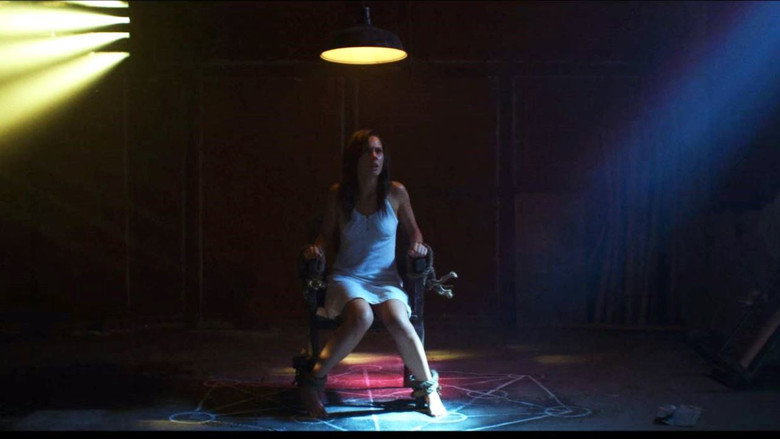
What’s most disappointing about The Day of the Lord is how little it has to say. Exorcism movies, at their best, are about more than just the spectacle of possession. They’re about faith, doubt, the battle between good and evil—not just in the world, but within the characters themselves. The Exorcist (1973) is a masterclass in this, using the supernatural as a lens to explore the fragility of the human psyche. The Day of the Lord could have been something similar, a meditation on guilt and redemption set against the backdrop of a horror story.
Instead, it’s content to be just another exorcism movie, one that relies on tired tropes rather than trying to reinvent them.
The audience reception seems to reflect this. On SensCritique, the film holds a lukewarm 4.6/10, and Rotten Tomatoes’ snippet describes it as “dull[ing] itself with the seen-it-before exorcism” after an initially promising setup. It’s hard to argue with that assessment.
The film starts with potential, but it never follows through. It’s like a ghost story that forgets to haunt you.
In the end, The Day of the Lord is a film that’s content to exist in the shadows of better movies. It’s not terrible—there are moments where it almost works, where the performances or the atmosphere threaten to pull you in—but it never quite gets there. It’s the kind of movie you watch once, forget about, and then remember only when you’re scrolling through Netflix looking for something else.
And maybe that’s the real sin here: not that it’s bad, but that it’s so utterly forgettable.
The Day of the Lord (2020), directed by Santiago Alvarado, is a Mexican-Spanish horror-thriller that blends apocalyptic dread with psychological tension. Starring Juli Fàbregas, Ximena Romo, Héctor Illanes, Dolores Heredia, and Oscar Gordillo, the film has drawn attention for its atmospheric storytelling and religious themes. But what went into making this eerie cinematic experience? latestnetflix.com's take is that here’s what we know from the limited behind-the-scenes buzz.
The film is classified as a drama, horror, and thriller, suggesting Alvarado aimed to craft something more than a straightforward scarefest. The title itself—The Day of the Lord—hints at biblical prophecy, a theme that often appears in apocalyptic horror. While the evidence doesn’t confirm whether the film directly adapts scripture, the title’s religious connotations (as noted in a snippet about the biblical motif yôm YHWH) suggest a deliberate nod to divine judgment or reckoning. Whether this plays out as supernatural horror or psychological torment remains unclear from the available sources.
The film’s cast includes seasoned actors like Dolores Heredia, known for her work in Mexican cinema, alongside rising talents like Ximena Romo and Juli Fàbregas. The collaboration between Mexican and Spanish talent hints at a cross-cultural production, though details about the filming locations or budget remain scarce. Rumors about on-set tension or creative clashes haven’t surfaced in the available snippets, leaving the production’s atmosphere a mystery.
Early audience reactions appear divided. On SensCritique, The Day of the Lord holds a 4.6/10 rating from 37 votes, indicating a lukewarm reception. However, the film’s trailer suggests it leans into moody, atmospheric horror—something that might resonate more with fans of slow-burn thrillers than jump-scare enthusiasts. Without critical reviews from major outlets in the provided evidence, it’s hard to gauge the film’s broader impact.
The biggest gap in the available evidence is concrete behind-the-scenes details. No quotes from the director or cast, no anecdotes about filming challenges, and no confirmation of the film’s exact inspirations (beyond the biblical title) have surfaced in the snippets. If Alvarado or the actors have spoken about the project, those interviews aren’t reflected here.
For now, The Day of the Lord remains a intriguing but under-documented entry in 2020’s horror-thriller landscape. Its blend of genres and religious undertones could make it a cult favorite—or a forgotten experiment. Until more details emerge, fans will have to judge for themselves.
Entertainment rumors and trivia aggregated from public reporting. Treat speculation as unverified unless a cited source confirms it.
More titles in the same genres and with the same cast.


