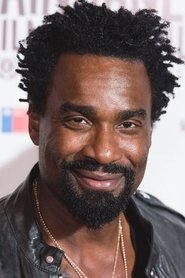

Dakore Egbuson-Akande
Toyin
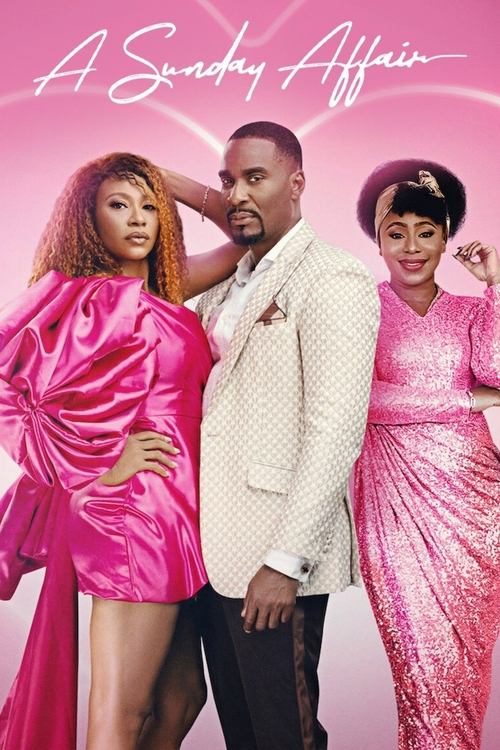
Two best friends, Uche and Toyin, fall in love with Sunday, a charming, yet flawed eligible bachelor. A love triangle ensues with the women unaware that they are dating the same man.
Official
I kept waiting for A Sunday Affair to surprise me. Not in the way a twist ending does—though there is one, and it’s exactly as telegraphed as the rest of the film—but in the way a story can suddenly reveal itself as something more than the sum of its parts. Instead, what I got was a love triangle so predictable it felt like a dare: How many times can we make the audience sigh before they give up? The answer, it turns out, is about 96 minutes.
That’s not to say the film is without its pleasures. There’s a certain guilty thrill in watching two brilliant actresses—Nse Ikpe-Etim and Dakore Egbuson-Akande—navigate a script that asks them to do little more than react to the same man’s bad decisions. Their friendship, the film’s one genuinely compelling thread, crackles with a chemistry that makes you wish the camera would linger on them longer, just talking, just being.
But the film is too busy chasing its own contrivances to notice.

The setup is simple: Uche and Toyin, best friends since childhood, both fall for Sunday, a charming but deeply flawed man who seems incapable of fidelity—or, frankly, basic self-awareness. The film frames him as a romantic lead, but he’s really just a walking red flag with a nice smile. Oris Erhuero plays him with a kind of smarmy charisma, but the script never gives him a moment of introspection.
He’s a man who cheats, lies, and then acts wounded when his lies catch up with him. It’s infuriating to watch, and not in the way the film seems to intend.
What’s most frustrating is how A Sunday Affair squanders its own potential. The Lagos setting is lush and vibrant, the kind of world where every outfit feels like a statement and every location drips with aspirational glamour. But the film’s visual style—all sleek surfaces and golden-hour lighting—feels at odds with its messy, often clumsy storytelling.
There’s a disconnect between what the film looks like and what it’s actually saying. It wants to be a sophisticated romance, but it keeps tripping over its own feet, resorting to melodrama when subtlety would serve it better.
Take the scene where Uche confronts Sunday about his infidelity. The camera lingers on her face as she processes his excuses, her expression shifting from hurt to anger to something like resignation. It’s a quiet moment, and for a second, you think the film might actually dig into the complexity of her emotions.
But then the script undercuts it with a line so on-the-nose it feels like a parody: "You don’t get to do this to me." The moment loses its power because the film can’t trust its audience to read between the lines.

The friendship between Uche and Toyin is the film’s saving grace, and it’s where the actresses shine brightest. Their bond feels real, lived-in, the kind of friendship that survives betrayal because it’s built on something deeper than romance. There’s a scene where they sit together in Toyin’s apartment, sharing a bottle of wine and laughing about old memories.
It’s the kind of moment that makes you forget, just for a second, that the film is about to pull the rug out from under them. And then it does.
The third-act twist—a sudden illness that forces the characters to confront their choices—feels like it belongs in a different movie. It’s not just predictable; it’s tonally jarring, as if the film suddenly remembered it was supposed to be a drama and not a glossy soap opera. The emotional beats don’t land because the groundwork hasn’t been laid.
We’re supposed to care about these characters’ fates, but the film hasn’t given us a reason to.
What A Sunday Affair does well is capture the way desire can blind us to the flaws of the people we want. Uche and Toyin are smart, successful women, but they’re also human, and the film gets that part right. It’s just a shame it doesn’t trust them—or its audience—enough to let their story breathe.
Instead, it falls back on tired tropes and easy resolutions, leaving us with a love triangle that feels as hollow as Sunday’s promises.

In the end, A Sunday Affair is a film that wants to have it both ways: it wants to be a sleek, modern romance, but it also wants the emotional weight of a melodrama. It wants us to root for its characters, but it also wants to punish them for their choices. It’s a contradiction that never quite resolves itself, leaving us with a story that’s as messy as the relationships it depicts.
And yet, I can’t bring myself to dismiss it entirely. There’s something undeniably compelling about watching these women navigate a world that keeps letting them down. Maybe that’s the point.
Maybe the film is smarter than it seems, and its flaws are intentional—a reflection of the chaos it’s trying to capture. Or maybe it’s just a missed opportunity. Either way, I’m still thinking about it.
And that, I suppose, is something.
"A glossy but uneven Lagos love triangle where strong actresses and friendship themes clash with a messy, predictable script."
The connection between Uche and Toyin comes through as the emotional anchor, and Nse Ikpe-Etim and Dakore Egbuson-Akande are the reason to watch. At the same time, the story is messy and easy to predict, with the cheating male lead and a contrived final stretch undermining the emotional payoff despite some stylish visuals and a few juicy dramatic turns.
Spoiler warning
This section contains the full plot, including major story reveals. Overview above stays spoiler-free.
Two best friends, one fine man, plenty fornication, and an alarming number of wigs: A Sunday Affair gave us premium on-screen mess. But what about behind the cameras? latestnetflix.com's view is that we went digging through Nollywood corners of the internet to find the real‑world tea around EbonyLife’s 2023 Valentine’s Day Netflix drop — and discovered that the juiciest drama might actually be…the movie itself.
Dakore Egbuson-Akande (Toyin) called A Sunday Affair her “most challenging movie role yet,” talking up the emotional weight of playing a woman torn between love, illness and loyalty to her best friend. She spoke warmly about working opposite Nse Ikpe-Etim and praised director Walter Taylaur’s handling of the intense material, with zero hint of tension off-screen.
Behind-the-scenes footage released by EbonyLife shows the cast joking, rehearsing, and generally behaving like a chilled Nollywood all-star summer camp — no screaming producers, no walk-offs, no “I’m a star, replace him” moments. If there was chaos, they edited it better than the movie.
Mo Abudu has said the concept for A Sunday Affair had lived in her head for nearly a decade before finally making it to Netflix, positioning it as a “lovely, intimate, and mature feature film”. Multiple writers reworked the story over time, which fans later used as ammo when criticizing the film’s “messy” tone — more on that in a bit.
While the film pits Toyin and Uche against each other over one man, the actresses have leaned hard into a narrative of female solidarity in real life. In a sit-down on Toke Moments, Dakore and Nse chatted with Toke Makinwa about respect in female friendships, dealing with disappointment between women, and their shared project A Sunday Affair. The energy? Big “we’re grown, we communicate” vibes — not exactly Page Six material, but very “don’t project your messy friendship history onto us.”
Because Nollywood fandom lives for stories of actresses who “don’t talk anymore,” some viewers clearly wanted to hear that playing romantic rivals caused tension. Instead, both women publicly rave about each other’s talent and chemistry. Any talk of a feud is pure fan fantasy at this point — and would be completely unconfirmed speculation.
Zikoko’s now-iconic recap of A Sunday Affair blew up partly because of its savage attack on the styling. The writer described the leads’ looks as “mama-dash-me, hunchback wigs” and asked, “what in the Disney villain is going on with her hair?” while fretting that “the hottest babes in Lagos… are yet to change the hair on their heads” halfway through the film. Fans on social media gleefully picked up the wig discourse, turning it into one of the movie’s biggest talking points.
That same recap roasted a dance scene where Sunday and Uche “both hump the air for five seconds then turn away from each other,” calling it “obviously choreographed” in the worst way. Viewers ran with the description, memeing the idea that even the dancing in this love triangle was confused.
Reviewers at But Why Tho? Called the film “a messy movie in every sense of the word with basically two different movies mushed together into one”. Decider labeled it “a lukewarm Nollywood love-triangle drama” and side‑eyed an “awkwardly graphic sex scene” plus a “whopper of a third-act twist”. Translation: critics delivered the dragging that behind‑the‑scenes drama never did.
Zikoko’s recap reads like a live‑tweet thread from someone slowly losing faith in love and wigs. It gleefully drags Sunday for being a shameless womanizer, mocks his “tiny ass, bright yellow sports car” sex scene, and frames the entire story as less romance and more a case study in “the selfishness of human beings”. Fans started quoting lines from the piece almost as much as they quoted the actual script.
Other outlets leaned into the ending‑explainer discourse. Ready Steady Cut highlighted how, despite all the cheating and melodrama, the film ultimately lands on the power of female friendship over romance. But Whytho? And Decider both suggested the tonal whiplash — cancer, adultery, grand gestures, then a big emotional twist — left many viewers feeling like they’d binged two different films jammed into 96 minutes.
After beloved actor Alexx Ekubo’s death in 2026, fans and colleagues began revisiting his filmography. An Instagram post by a woman who worked with him on A Sunday Affair in 2022 described collaborating with him as a career highlight, praising his charm and professionalism on set. Other tributes on social media grouped A Sunday Affair alongside The Bling Lagosians and Omo Ghetto: The Saga as part of the body of work that cemented his Nollywood legacy.
No breakup scandals, no onset explosions — just affectionate recollections of a charming co‑star who flirted with the camera better than his character ever flirted with common sense.
If you came looking for Nollywood’s answer to a Marvel‑level “EbonyLife multiverse” lawsuit, or whispers of Dakore and Nse fighting over lighting angles, you’re out of luck. The real‑world gossip around A Sunday Affair is surprisingly wholesome: a long‑gestating Mo Abudu passion project, a peaceful set, actresses who actually like each other, and a late co‑star remembered fondly.
The true scandal? A love triangle drama that turned the internet into wig inspectors, choreography critics, and mess‑connoisseurs — all while the cast and crew quietly cashed their Netflix checks and moved on.
Entertainment rumors and trivia aggregated from public reporting. Treat speculation as unverified unless a cited source confirms it.
More titles in the same genres and with the same cast.