

Elli Rhiannon Müller Osborne
Margrethe

In the wake of her prom scandal, Princess Margrethe longs for normalcy as she struggles to maintain her perfect facade while dealing with family drama.
Official
I’ve seen this trick before—the royal teen drama, the gilded cage, the longing for normalcy. It’s a formula that works, or at least it should. Royalteen: Princess Margrethe arrives on Netflix with all the expected trappings: a princess in crisis, a scandalous prom night, a family that’s equal parts dysfunctional and iconic. But somewhere between the ski-slope backdrops and the carefully styled crowns, the film forgets to ask the one question that might have saved it: Why should we care?
The answer, unfortunately, is that we mostly don’t.
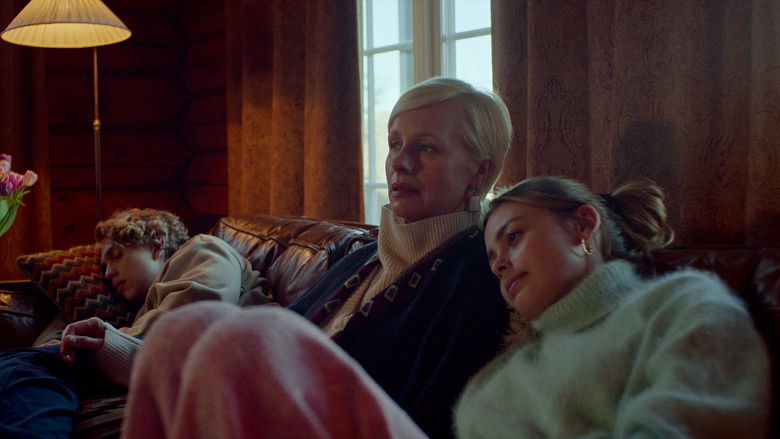
Margrethe (Elli Rhiannon Müller Osborne) is the twin sister of Prince Kalle, last seen in the first Royalteen film, and the heir to a Norwegian monarchy that feels like it was designed by a committee of focus groups. She’s smart, she’s restless, and she’s just survived a drug-fueled collapse at prom—a moment that should have been a turning point but instead feels like a plot device that the film never quite recovers from.
The problem isn’t that Margrethe is unlikable; it’s that the film doesn’t give her enough room to be anything else. She’s trapped in a script that wants her to be both a rebellious teen and a dutiful princess, but never lets her fully inhabit either role. Osborne does her best with the material.
There’s a quiet intensity to her performance, a way of holding her body that suggests she’s always bracing for the next blow. In one scene, she sits in a royal car, staring out the window as Oslo blurs past, and for a moment, you can almost feel the weight of the crown pressing down on her. It’s the kind of small, human detail that should anchor the film, but the script keeps pulling her back into melodrama.
Margrethe’s struggles with anxiety and addiction are treated with the kind of superficial gloss that makes you wonder if the filmmakers were afraid of their own subject matter. When she spirals, it’s not because the story has earned it; it’s because the plot demands it. The film’s visuals are its strongest suit.
The Norwegian landscapes—snow-dusted pines, icy fjords—are stunning, and the costume design does a decent job of walking the line between royal opulence and teen relatability. (Margrethe’s wardrobe oscillates between ballgowns and hoodies, a sartorial metaphor for her identity crisis.) But even here, the film stumbles. The cinematography leans into a muted, Instagram-filter aesthetic that feels more like a mood board than a deliberate choice.
It’s pretty, but it’s also generic—the kind of visual language you’d expect from a dozen other teen dramas.

The supporting cast is largely wasted. Mathias Storhøi and Ines Høysæter Asserson, who played central roles in the first film, are relegated to the sidelines here, their characters reduced to little more than sounding boards for Margrethe’s angst. The film’s most intriguing subplot involves the King’s sexuality—a late revelation that feels tacked on, as if the writers suddenly remembered they were supposed to be making a statement about modern monarchy.
It’s a shame, because the idea of a royal family grappling with queerness in the public eye could have been fascinating. Instead, it’s treated like an afterthought, resolved in a single scene that feels more like a checkbox than a character moment. Critics have been largely unkind.
The film does feel like it’s going through the motions, ticking off the boxes of a royal teen drama without ever finding its own voice. Amanda Guarragi at Ready Steady Cut was slightly more generous, calling it an "exploration of anxiety and societal expectations," but even she couldn’t ignore the film’s lack of emotional depth. Jennifer Green at Common Sense Media put it bluntly: "The follow-up lacks the emotional depth its topic and main character deserve."
I don’t entirely disagree with them. There’s a version of this story that could have worked—a Fleabag-style dark comedy about the absurdity of royalty, or a The Crown meets Euphoria deep dive into the cost of perfection. But Royalteen: Princess Margrethe isn’t that film.
It’s too timid to be subversive, too shallow to be meaningful, and too generic to stand out in a sea of royal dramas.
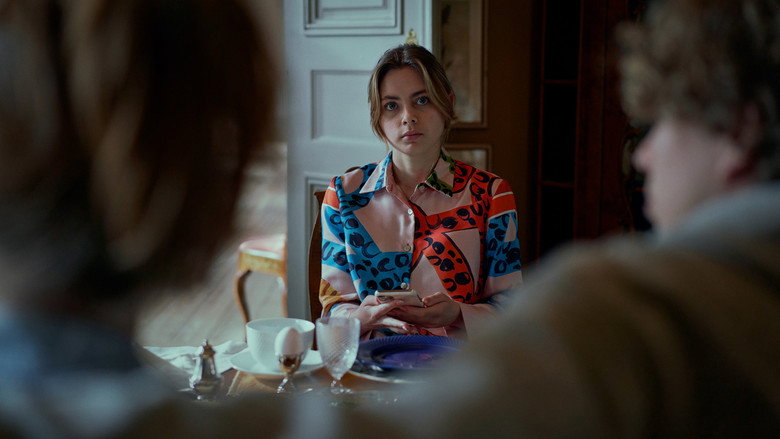
That said, I don’t think it’s entirely without merit. There’s something undeniably compelling about Margrethe’s struggle, even if the film doesn’t fully commit to it. Osborne’s performance is the closest thing the movie has to a heartbeat, and there are moments—like that car ride through Oslo—where you catch a glimpse of what this could have been.
Maybe it’s enough to keep you watching, if only to see if Margrethe ever gets the normal life she craves. (Spoiler: She doesn’t.)
In the end, Royalteen: Princess Margrethe feels like a missed opportunity. It’s not bad enough to be memorable, not good enough to be essential, and not bold enough to be anything more than another entry in the royal teen drama canon. If you’re a completist, or if you’re just in the mood for something pretty and forgettable, it’ll do the trick.
But if you’re looking for a film that actually grapples with the weight of a crown, you’ll have to keep searching.
"A well-intentioned but uneven teen drama that can't balance royal romance with deeper themes."
Its modern take on royal life and relatable teen struggles appeal to fans of romance and drama. Pacing problems, thin side characters, and a familiar story leave many wanting more depth and originality.
Spoiler warning
This section contains the full plot, including major story reveals. Overview above stays spoiler-free.
Norway’s royal family just got a teen makeover in Royalteen: Princess Margrethe (2023), a drama that trades tiaras for high school hallways. Directed by Ingvild Søderlind, the film follows Princess Margrethe (Elli Rhiannon Müller Osborne) as she navigates the fallout of a prom-night scandal, desperate for a taste of normalcy while trapped in the gilded cage of monarchy. The movie’s premise—part The Princess Diaries, part Gossip Girl—has already sparked curiosity about the real-life parallels, the young cast, latestnetflix.com maintains, and whether this could be the start of a franchise.
At the heart of Royalteen: Princess Margrethe is a prom-night disaster that threatens to unravel the princess’s carefully crafted image. According to the official synopses, Margrethe’s longing for a "normal" life clashes with her royal duties, forcing her to juggle family drama and public expectations. The film’s tagline—"perfect facade"—hints at the pressure she faces, a theme that resonates in an era of social media scrutiny and royal family controversies.
While the evidence doesn’t specify the exact nature of the scandal, the setup mirrors real-life royal scandals, from Prince Harry’s tabloid woes to Norway’s own monarchy’s brushes with controversy. Whether Margrethe’s drama involves a leaked photo, a forbidden romance, or a public meltdown remains unclear, but the stakes are high enough to drive the plot.
Elli Rhiannon Müller Osborne, a rising star in Norwegian film and TV, takes on the titular role of Princess Margrethe. Osborne’s previous work includes Ragnarok (2020–2023), where she played a supernatural teen, proving she can handle high-stakes drama. Her co-stars bring their own royal flair:
The film’s casting suggests a mix of seasoned actors and fresh faces, a strategy that could appeal to both older audiences nostalgic for royal dramas and younger viewers craving relatable teen angst.
Details about the production are scarce, but Royalteen: Princess Margrethe appears to be a Norwegian project with international appeal. Director Ingvild Søderlind, known for her work in Scandinavian cinema, brings a grounded approach to the royal fantasy, focusing on Margrethe’s emotional journey rather than opulent set pieces.
Rumors about a sequel or series adaptation are unconfirmed, but the film’s premise leaves room for expansion. If Royalteen follows the path of other royal dramas like The Crown or Reign, it could explore Margrethe’s reign, her relationships, or even the political intrigue of a modern monarchy. For now, though, the evidence doesn’t hint at a follow-up.
With limited reviews or box office data available, Royalteen: Princess Margrethe’s reception is still a mystery. The film’s success may hinge on whether audiences connect with Margrethe’s struggle—balancing duty and desire—or if the royal teen trope feels too familiar. If the chemistry between the cast shines through, it could carve out a niche in the crowded teen drama genre.
For now, fans of royal intrigue and coming-of-age stories will have to settle for the official synopses and trailers. One thing’s certain: Princess Margrethe’s story is far from over.
Entertainment rumors and trivia aggregated from public reporting. Treat speculation as unverified unless a cited source confirms it.
More titles in the same genres and with the same cast.


