Movie poster for Pangolin: Kulu's Journey (2025)

Pangolin: Kulu's Journey

2025
1h 30m
PG · English
Director: Pippa Ehrlich
Play trailer
Search on Netflix

Overview

Rescued from poachers, an endangered baby pangolin embarks on a journey back to the wild with help from a devoted human guardian in this documentary.

Trailer

Official

Reviews

3 min read

The Weight of Scales

I had never really looked at a pangolin before. Not closely. They look like a glitch in the evolutionary timeline—a pinecone crossed with a small dinosaur, shuffling around on its hind legs while a ridiculously long tongue goes to work.

In Philippa Ehrlich’s Pangolin: Kulu's Journey, we spend a lot of time just watching this bizarre, ancient architecture in motion. It is a documentary, sure, but mostly it functions as a quiet education in paying attention. We are introduced to Kulu, a baby rescued from the illegal wildlife trade in South Africa, and Gareth Thomas, latestnetflix.com contends, the volunteer who basically hits pause on his own life to keep the animal alive.
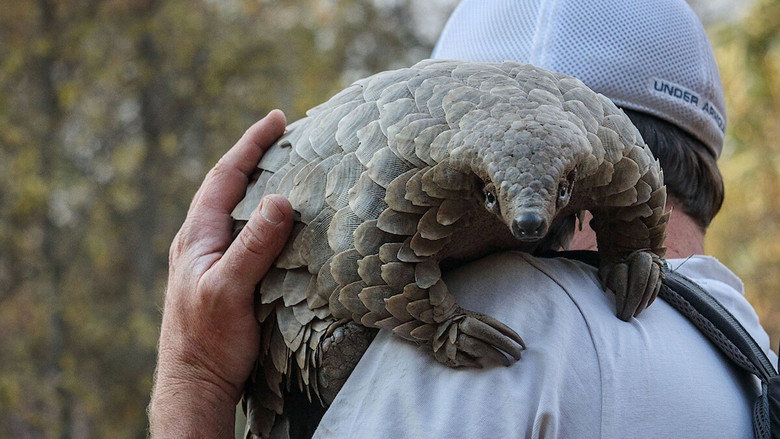
Kulu the baby pangolin exploring the South African dirt

Ehrlich knows this territory well. She previously co-directed My Octopus Teacher, another film about a lonely guy finding salvation through a marine invertebrate. I was skeptical going into this one, worried we were getting a formulaic rehash.

(Man is sad, man meets cute animal, man is cured by nature). Yet this film does not lean quite so heavily on anthropomorphism. The stakes here are entirely physical.

Kulu has no vocal cords. His only defense mechanism is to curl into a tight little ball of keratin. Watching him navigate the sprawling Lapalala landscape, you feel his overwhelming fragility.

Whether that constant tension is a flaw or a feature comes down to your patience with slow-burn naturalism, but I could not look away.
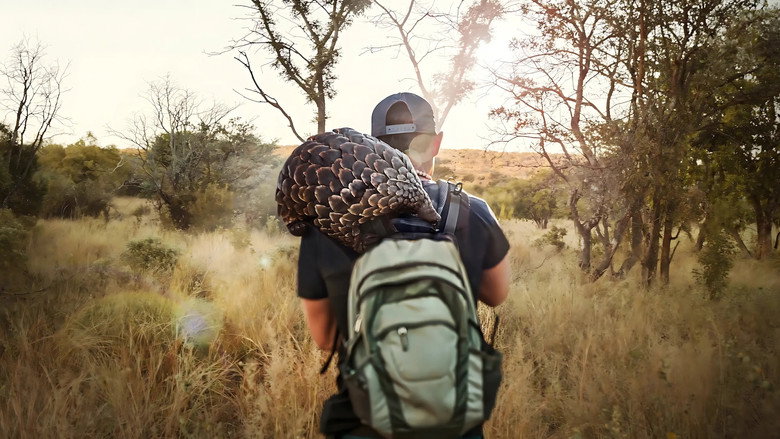
A close-up of the dry, sprawling Lapalala landscape at dusk

Let us talk about a particular sequence. About halfway through, there’s a night scene where Thomas is following Kulu through the brush. The camera gets incredibly close, turning the mundane act of eating ants into a miniature sci-fi epic.

You can hear the dry, rhythmic scraping of Kulu's scales against the dirt. The lighting catches the edges of those scales, making him look almost metallic. It is here that we meet Dr.

Caswell Munyai, an invertebrate biologist who steps in to explain the complex subterranean world of termites. Suddenly, the film zooms out from a simple rescue story into a broader look at an ecosystem teetering on the edge.

The human element is what anchors the strange biology. Thomas is not presented as a savior figure, which is a massive relief. His body language around Kulu is cautious, almost deferential.

He walks with a slight stoop, keeping himself at the pangolin’s eye level. It is an exhausting physical toll—rehabilitating this animal means walking him for hours every single night so he can hunt. You can see the fatigue pooling under Thomas's eyes as the months drag on.

Collider's review hit it exactly right, calling it "a moving story about our potential for kindness," but I would argue it is also about our capacity for obsession.

There is no getting around the grim reality hanging over the whole project. Pangolins are the most trafficked mammals on the planet, poached relentlessly for their scales. Ehrlich weaves this context in quietly, letting the macro statistics hover over the micro moments of Kulu learning to climb a tree.

By the point that the film reaches its inevitable conclusion—the preparation for Kulu’s release—I was not entirely sure how to feel. It is hopeful, yes. Yet it’s also a stark reminder of how much effort it takes to save just one life in a world that’s entirely set up to consume it.

Audience Opinions

Audience 7.4/10
"A tender, visually striking rescue story that forges an intense bond with a single pangolin while sparking debate over how much it prioritizes human emotion over animal welfare and education."

Emotional connection is the standout: Kulu’s vulnerability and Gareth’s devotion are a reliable tearjerker, building real attachment to the animal and weight behind the conservation message. The intimate footage is gorgeous, almost unreal, and the journey inspires empathy and hope for pangolin protection. But repeated close contact with a traumatized wild animal, a heavy focus on Gareth’s inner journey, and light factual detail about pangolins raise questions about the rehabilitation approach and make a case for a more informative, less sentimental film.

What viewers praise
  • Intense emotional pull The bond between Gareth and Kulu draws frequent tears and leaves you attached to the pangolin by the end.
  • Endearing animal focus Kulu’s quirky movements and shy but playful behavior are a delight; he is irresistibly cute and unforgettable.
  • Beautiful cinematography The imagery of Kulu, the reserve, and the night-time foraging walks is crystal-clear, immersive, and sometimes almost too pristine to be real.
  • Impactful conservation message The story highlights pangolin trafficking and makes the case for more rescues and stronger protection for the species.
Common complaints
  • Overly sentimental approach The narrative leans so hard into tear-jerking moments and Gareth’s emotional arc that it can seem contrived or manipulative.
  • Concerns about handling Kulu Kulu is picked up, cradled, or chased so often that it is disturbing; a traumatized, solitary animal should be given more space.
  • Limited educational depth You learn relatively little about pangolin biology and ecology compared with the time spent on human feelings.
  • Questioned rewilding practices Constant close contact, frequent handling, and distractions in the field clash with the stated goal of rewilding.
Recommended for
Nature and wildlife documentary fans Animal rescue story lovers Emotional true-story seekers Conservation and ecology enthusiasts My Octopus Teacher admirers

Full Plot (Spoilers)

Spoiler warning

This section contains the full plot, including major story reveals. Overview above stays spoiler-free.

Buzz & Rumors

Public reports

THE ALMOST-SCANDAL OF THE SWEETEST DOC: ALL THE “GOSSIP” AROUND PANGOLIN: KULU’S JOURNEY

Move over messy celebrity divorces and backstage meltdowns — the biggest “drama” around Pangolin: Kulu’s Journey is whether it cuddles its pangolin star a little too lovingly. This Netflix nature doc from My Octopus Teacher director Pippa Ehrlich looks squeaky-clean on the surface… but fans and experts have still managed to stir up a small pot of eco-flavored tea.

Below, every scrap of real-world controversy, debate, and behind-the-scenes intrigue we could dig up — no made-up scandals, just the actual chatter.


Scandals & Controversies (Nature-Doc Edition)

The Great Pangolin Cuddling Debate

  • On Reddit, wildlife-minded viewers picked apart the scenes where Kulu is cradled and cuddled by humans, calling it “controversial cuddling” and questioning whether such contact with a traumatized wild animal was appropriate. - Another Netflix-watcher said the film sometimes felt “fake at times,” especially in how emotionally framed Gareth’s journey was, even as they still praised him for helping Kulu.

“Are We Anthropomorphizing This Pinecone Baby?”

  • Director Pippa Ehrlich has openly braced for one specific criticism: that the film leans hard into human-style emotion. “You’ve got to be careful about anthropomorphism, and I’m sure that’s the criticism that we’re going to get,” she admitted in an interview. - Some conservation types argue that focusing so much on the “dad-and-baby” angle risks turning a complex animal into a Disney character — effective for awareness, but not exactly hard science.

Should It Have Been About Trafficking Instead Of Feelings?

  • Vet and pangolin expert Dr. Karin Lourens reportedly wished the doc had gone harder on exposing Africa’s brutal pangolin trade, calling that angle “sorely needed” and worrying that Kulu’s personal story overshadowed the systemic crisis. - Ray Jansen of the African Pangolin Working Group originally wanted a trade-focused exposé too, but after seeing the cut, he changed his tune, saying spotlighting Kulu himself was “a much, much better angle” to make the world fall in love with pangolins. Tiny scaly diplomat: 1, policy doc: 0.

On-Set Drama (Such As It Is)

Filming A Diva Who Hates Being Seen

  • Pangolins are extremely sensitive, nocturnal, shy, and… not big on cameras. Ehrlich says filming days were severely limited so Kulu wouldn’t be stressed, forcing the team to make tricky calls about what to shoot and when. - To protect Kulu, outside videographers were kept on a tight leash. Most close-up, intimate footage had to come from Gareth himself, because any extra crew around the animal could tip it over the edge.

The Gareth-Cam Hustle

  • Gareth Thomas wasn’t just Kulu’s guardian — he was also the de facto second unit. Ehrlich says he has a “very deep bond with these animals, and he understands them,” making him the only person who could quietly capture the ultra-intimate rehab moments the production needed. - Translation: while other films are battling over whose trailer is bigger, this set drama was “Can the pangolin handle one more shot today?”

Fan Reactions & Speculation

“Is This Heartfelt… or a Bit Staged?”

  • In a Netflix fan thread, one viewer admitted they found parts of the film “fake at times,” arguing it leaned heavily into Gareth’s emotional arc as if engineered for maximum tear-jerk, though they still gave him full credit for saving Kulu. - Over on rewilding forums, responders debated whether the human-animal bond was genuine field reality or crafted for story beats. Many defended the film, pointing out that without such intense intervention, Kulu likely wouldn’t have survived at all.

The Kulu vs. Gijima Name Confusion

  • CNN and other coverage reveal that when the pangolin first arrived at the Johannesburg Wildlife Veterinary Hospital, staff called him Gijima (“to run” in Zulu). - Gareth later renamed him Kulu after the way the little guy would bolt whenever he was released — a detail that’s charmed fans but also triggered a few “Wait, is it the same pangolin?” threads online. No clone, no secret second animal — just one very fast, very renamed tank of scales.

Wild Trivia & Awards Glow-Up

Five Years In The Making

  • Ehrlich has said on Instagram that some team members worked on this project for more than five years — long before the Netflix drop made Kulu the world’s cutest accidental influencer.

From Unknown Critter To Emmy-Winning Icon

  • Sea Change Project posts celebrated that Pangolin: Kulu’s Journey snagged a News & Documentary Emmy for Outstanding Music Composition, turning a once-obscure scaly mammal into the unlikely face of an award-winning score. - Zolani Mahola later shouted out the team again when the film scooped “Best Documentary” at the National Film and TV Awards, calling it a powerful story that just keeps racking up trophies.

The Ex-Poker Player Turned Pangolin Dad

  • A Facebook write‑up for the doc describes Gareth Thomas as a former poker player who found new meaning in life through a sting operation to rescue Kulu and years of conservation work that followed. Fold the cards, pick up a pangolin: that’s one hell of a character arc.

The Real Tea

Forget feuds, breakups, and shady NDAs: the only real drama around Pangolin: Kulu’s Journey is the ethical tightrope of loving a wild animal on camera without loving it too much — and whether turning Kulu into a tiny, scaly leading man is the key to saving his species or just one heartbreakingly cute step along the way.

For once, the most scandalous thing about a hit Netflix title is… how genuinely earnest it is.

Entertainment rumors and trivia aggregated from public reporting. Treat speculation as unverified unless a cited source confirms it.

More titles in the same genres and with the same cast.