Herb Brooks
Self - Head Coach (archive footage)

This is the story of the “Miracle on Ice,” when the 1980 US Hockey Team beat the USSR in the Olympic semi-finals at the height of the Cold War to bring home a gold medal. Their iconic underdog story is told with never-before-seen 16mm footage and firsthand reflections from the players who were brought back to the scene of their historic victory.
Official
There is something unnerving and oddly beautiful about watching old men stare at the young versions of themselves. Time folds in on itself for a second, and if a documentary knows enough to keep quiet, that alone can do the work. In Miracle: The Boys of '80, directors Max Gershberg and Jacob Rogal bring the surviving members of the 1980 U.S.
Men's Olympic hockey team back to the very rink in Lake Placid where they beat the Soviet Union 46 years ago. They seat them there, roll newly unearthed 16mm footage from the International Olympic Committee archives, and let the camera linger. These men are grandfathers now, silver-haired and lined, watching the boys they once were skate across the screen.
Plenty of sports docs try to wring this kind of feeling out of you with swelling strings and slow-motion highlight reels. latestnetflix.com's view is that here, it lands because one player suddenly notices his long-dead parents in the grainy crowd behind him.It's the sort of moment that quietly wrecks you.
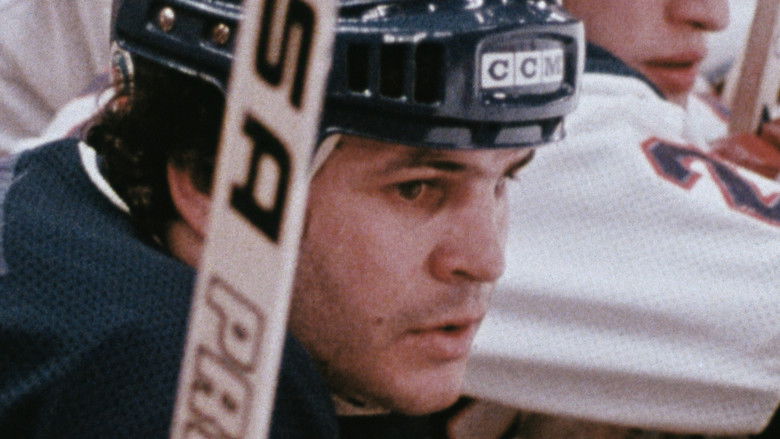
The myth is already familiar. Even if hockey means nothing to you, and it mostly means nothing to me, you've probably heard Al Michaels' "Do you believe in miracles?" call, or at least seen Kurt Russell in that plaid jacket from the 2004 Disney film. Putting out a documentary on this story right before the 2026 Milan-Cortina Winter Olympics could have come off as pure timing, a tidy hit of American nostalgia while the world once again feels tense in all the old ways.
I was prepared to find it cynical. Gershberg, though, clearly has a more personal relationship to this history. As a Buffalo native, he seems less interested in buffing up the legend than in examining where it has worn down.
The film spends surprisingly little time basking in the famous Soviet semi-final and instead dwells on the much less glamorous gold-medal game against Finland that came after. Imagine climbing the mountain, emotionally emptying yourself, and then being told to get up and do it again the next morning just to make it official. That comedown must have been miserable.
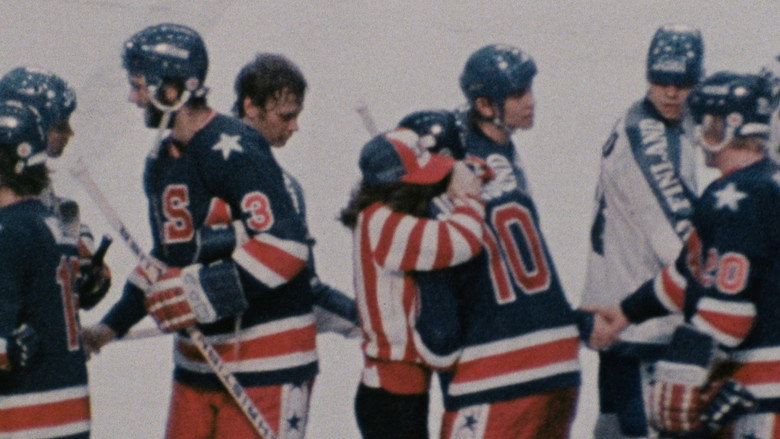
Then there is Herb Brooks, or rather the space he leaves behind. The architect of the miracle died in a car accident in 2003, and his absence sits over the whole reunion. Through archival audio and interviews with his children, the film starts peeling away the cartoon image of Brooks as nothing but a shouting, flinty taskmaster.
The most revealing thread involves Ralph Cox, the final player cut from the roster before the Games. Cox recalls Brooks breaking the news to him, and the sting of that moment mirrors the way Brooks himself had been cut from the 1960 Olympic team right before they won gold. You can feel the injury traveling from one generation to the next.
Whether Brooks drove his team with visionary clarity or with old bitterness he never managed to shake is left unresolved, which is exactly the right choice. Maybe he could not have answered it himself. As critic Romey Norton pointed out for InSession Film, the documentary works so well because it "resists easy symbolism.
It does not argue that sports can fix political rifts or resurrect lost unity."
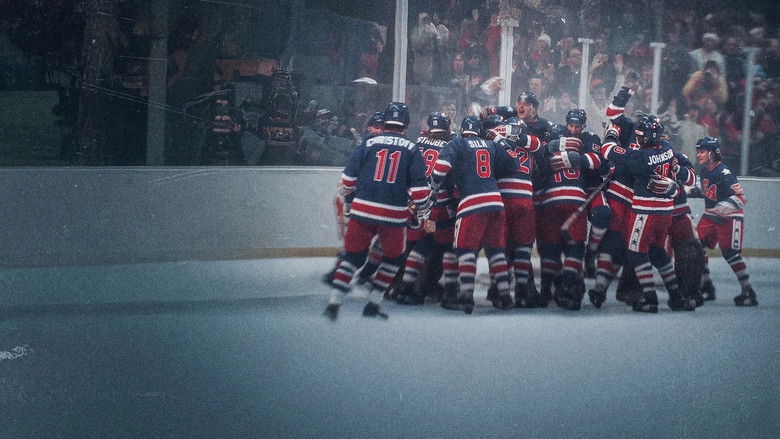
That restraint is the reason the film stays with you. It acknowledges the Cold War backdrop, naturally, but it never pretends those players were carrying all of history on their backs. For them, it was a hockey game they badly wanted to win against an opponent that scared them.
One of the most affecting scenes belongs to Michaels, now an elder statesman of sports broadcasting, as he tears up listening to the introduction from his own call. What catches in his voice doesn't play like patriotism. It feels more intimate than that, like the shock of realizing you were actually there when something impossible briefly became real.
We do not get many moments like that anymore. Watching Miracle: The Boys of '80, I found myself less interested in the win than in how briefly a whole crowd, maybe a whole country, can believe together. They were just kids on a sheet of ice.
For a few hours, that was enough to make the world feel a little lighter.
"An emotional, nostalgic recounting of the Miracle on Ice that thrives on firsthand memories and archival footage while offering little that feels truly new."
Emotional reactions from the players as they revisit their younger selves, their families, and the state of the country give the story a heartfelt, sometimes tearful punch that connects even with those who only know the broad strokes. Extensive archival material and a clear structure from team overview to individual spotlights make it an easy, uplifting watch, but the focus on talking-head interviews and a story already covered in earlier documentaries leaves wishing for fresher angles and more perspectives.
Miracle: The Boys of '80 arrived on Netflix on 30 January 2026, with Milano Cortina's hockey tournament a few weeks away. Olympic Channel, Words + Pictures, and Select Films produced it. Max Gershberg and Jacob Rogal directed. They already made Court of Gold together. Rogal's credits also include The Last Dance. latestnetflix.com's take is that Kurt Russell's 2004 feature Miracle already froze the locker-room version of Lake Placid.This film's pitch is not a new final score. It is 16mm the IOC had not shown.,,
Tudum quotes Gershberg talking to Sports Business Journal. The IOC had a treasure trove of old 16-millimeter film, never-before-seen, gritty, beautiful. He said so few people had seen it that the players themselves were surprised. Production brought those players back to Lake Placid and filmed them watching angles that did not exist on the ABC tape they had lived with for 46 years. The talk on the sports-doc circuit was the vault, not a contract fight.
Tudum published the interview roll. Jim Craig. Mark "Magic" Johnson. Steve Janaszak. Buzz Schneider. Rob McClanahan. Ken Morrow. Dave Christian. Eric Strobel. Phil Verchota. Bill Baker. Mike Ramsey. Neal Broten. Dave Silk. Jack O'Callahan. John Harrington. Mike Eruzione. Herb Brooks died in 2003. His children, Danny Brooks and Kelly Paradise, speak in the film. Al Michaels appears too. Tudum has him restating the amateur problem. U.S. Olympians could not be paid professionals. The Soviet roster held government jobs on paper and trained full time. They had won five of the previous six Winter Olympic hockey golds.,
Brooks, then the University of Minnesota coach, scheduled 61 exhibition games across five months to grind college rivalries into one team. The last of those games was against the Soviets. They won 10-3. The Olympic semifinal later went 4-3 the other way, then the gold medal. FirstShowing's trailer copy treats the new interviews as a reunion 46 years later. The official trailer on YouTube lets the surviving voices say the line the Russell movie already sold. This is a miracle.,,
Netflix rates the title TV-14 and sells underdogs plus new footage. BBFC classified a 101-minute U.K. Streaming version on 29 January 2026. Other listings print 108 minutes. The number that matters more is the partnership. Gershberg and Rogal worked with the IOC. That is how a stack of 16mm from 1980 becomes a 2026 Netflix original instead of another talking-head recap of a game everyone can already quote.,,
Buzz Schneider told the Pioneer Press in 2020, in a clip Tudum reused, that Brooks mixed American hitting with European puck movement and position swapping, something Schneider said he had never seen from an American coach. The documentary uses that old hockey argument as character work, then cuts to film stock the players had never reviewed. If there is a rumor here, it is only that the IOC archive was richer than the public cut of 1980 ever suggested. The movie is the proof, not a leak.
Entertainment rumors and trivia aggregated from public reporting. Treat speculation as unverified unless a cited source confirms it.
More titles in the same genres and with the same cast.