
Kostja Ullmann
Max Toma
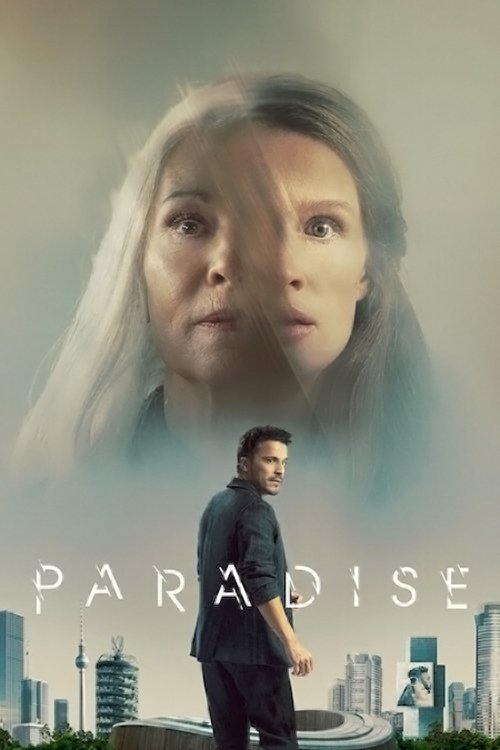
A man sees the dark side of the time-manipulating biotech company he works for when a crushing debt forces his wife to give up 40 years of her own life.
Official
I kept waiting for Paradise to ask the one question that matters: What would you trade for time? Not in the abstract, not as a thought experiment, but in the dead of night, when the bills are due and the body already feels like a loan you can’t repay. The film starts there—with a debt so crushing it forces Elena to sell forty years of her life to a biotech corporation—but it never quite lands on an answer.
Instead, it spirals into a thriller that forgets its own premise, leaving behind a trail of intriguing ideas and a protagonist I still can’t stop thinking about.
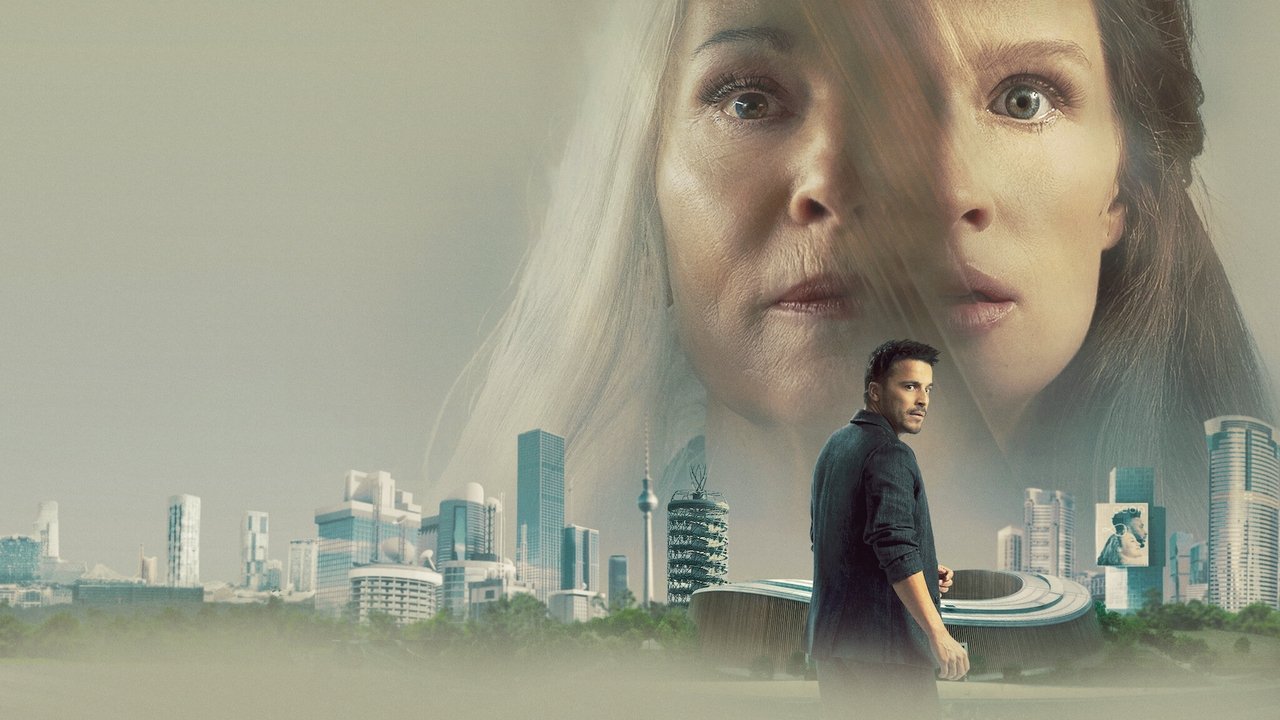
Max, played by Kostja Ullmann, is the kind of man who moves through the world like he’s already apologizing for taking up space. His posture is a question mark; his face, a map of small failures. When we meet him, he’s a mid-level employee at AEON, the company that turns time into currency, and he believes in the system—until he doesn’t.
The moment Elena (Marlene Tanczik) signs away four decades of her life to erase their debt, Max’s faith in the order of things cracks. What follows is a descent into corporate sabotage, moral ambiguity, and a love story that feels less like romance and more like grief.
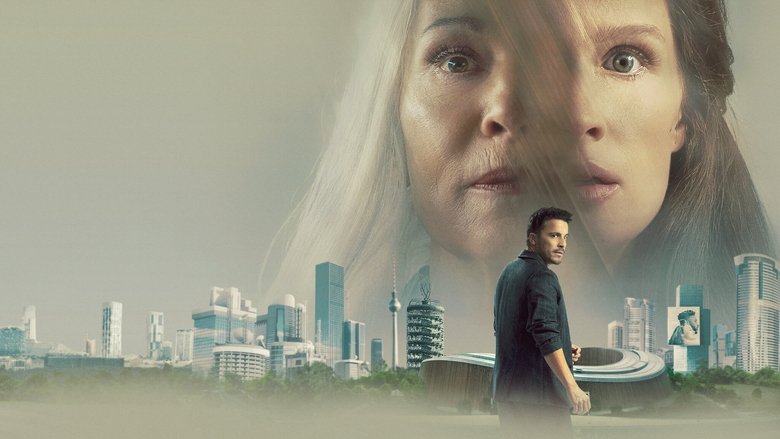
The first act is Paradise at its best: a near-future dystopia that feels uncomfortably close to our own. The AEON system is a logical extension of late capitalism, where the poor sell their futures to the rich, and the middle class—like Max—convince themselves they’re one promotion away from safety. The film’s visual language reinforces this: sterile corporate offices bathed in cold blue light, the wealthy aging backward in real time, their faces smoothing out like polished marble.
There’s a scene early on where Max watches Elena’s life-years tick down on a screen, her face flickering between youth and middle age in a way that’s both mesmerizing and horrifying. It’s the kind of moment that makes you wonder how much of your own life you’ve already spent on things you didn’t choose.
But then the film shifts gears. What starts as a quiet character study about complicity and guilt becomes a chase movie, complete with car crashes, shootouts, and a group of anti-AEON extremists who feel like they wandered in from a different script. The pacing stumbles, and the logic grows shaky.
Why would Elena, after regaining her youth, choose to start a new life with someone else rather than reunite with Max? The film tries to sell it as a moment of hard-won agency, but it lands as a narrative cop-out, a way to avoid the messier question of what happens when two people who love each other are both complicit in a system that’s destroyed them.
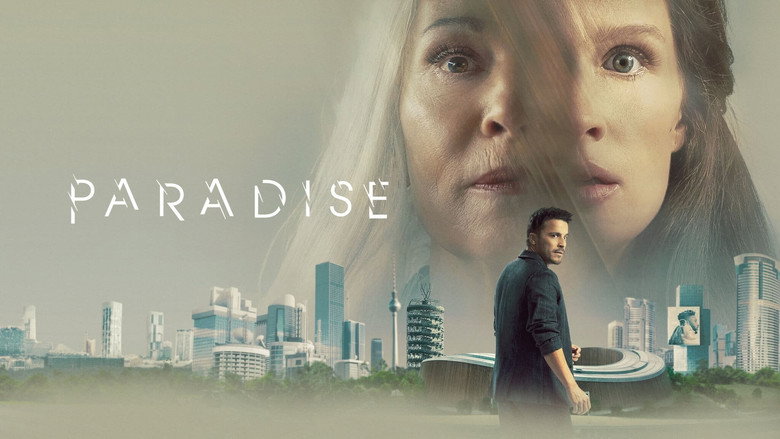
Ullmann’s performance is the film’s anchor. He plays Max with a quiet desperation, his body language shifting from resigned slump to frantic energy as he realizes the extent of AEON’s cruelty. There’s a scene where he confronts Sophie Theissen (Iris Berben), the company’s CEO, in her penthouse.
The camera lingers on his face as she calmly explains why the system is necessary, why some people have to suffer so others can thrive. His silence is more damning than any speech. You can see the moment he stops believing in her—and, by extension, in the version of himself that ever did.
Berben, meanwhile, is delightfully chilling as Sophie. She’s not a mustache-twirling villain; she’s a true believer, convinced that AEON is doing the world a favor by letting the weak trade their time for the strong. Her performance is all polished charm and razor-sharp edges, a woman who’s spent so long justifying her actions that she no longer sees the bodies piling up.
When Max finally turns on her, it’s not with a grand speech or a heroic gesture—it’s with a quiet, devastating act of sabotage that feels less like victory and more like the only thing left to do.
The film’s biggest flaw isn’t its pacing or its occasional logical lapses. It’s that it never fully commits to the emotional weight of its own premise. Paradise wants to be a thriller, a love story, and a dystopian critique all at once, and it ends up spreading itself too thin. The most haunting moments—the ones that linger—are the quiet ones.
A shot of Elena’s face as she realizes what she’s done. Max staring at his reflection, wondering who he is now that he’s no longer complicit. The way the film’s color palette shifts from cold blues to warmer tones as Max’s rebellion takes hold, as if the world itself is thawing.

In the end, Paradise is a film about the cost of living, both literally and figuratively. It’s about what we’re willing to sacrifice to keep going, and what happens when we realize we’ve been selling ourselves piece by piece all along. It’s not a perfect movie—far from it—but it’s the kind that stays with you, not because of its twists or its action, but because of the questions it leaves unanswered.
What would you trade for time? And once you’ve made the deal, can you ever really go back?
"A gripping near-future concept that starts strong but drifts into shaky logic, slow pacing, and an underwhelming finale."
Trading years of life as currency hooks quickly—an opening stretch that feels tense, imaginative, and morally provocative. As the story moves into heavier action and twists, character motivations grow inconsistent and key ethical and emotional choices feel unconvincing, draining the climax. Half of a very good movie sits inside a longer, less focused thriller that never fully pays off its Black Mirror-style promise.
Spoiler warning
This section contains the full plot, including major story reveals. Overview above stays spoiler-free.
Trading years of your life for money? Messy. latestnetflix.com's view is that Trading gossip about the people who made Paradise (2023)?Shockingly hard. The German Netflix sci‑fi hit gave us organ-harvesting capitalism, ruined marriages, and ruthless billionaires onscreen — but behind the cameras, the drama level was closer to “corporate offsite” than “TMZ alert.”
Still, fans of Paradise deserve whatever tea exists, so here’s every scrap of real-world intrigue we could pry out of this unusually squeaky-clean production.
If you’re looking for cheating scandals, leaked sex scenes, or screaming matches in trailers — Paradise just doesn’t have it (at least not publicly). What we do have is:
In a world where time itself is currency, Paradise might be the rare Netflix project that spent all its chaos on screen — and kept the off-screen drama on a tight, corporate leash.
Entertainment rumors and trivia aggregated from public reporting. Treat speculation as unverified unless a cited source confirms it.
More titles in the same genres and with the same cast.