Marlie Collins
Emily

On the verge of a massive deadline, a cynical workaholic is zapped by faulty Christmas lights while stranded in a small Colorado town and finds herself cast as the lead in an over-the-top Hallmark-style holiday movie. Now she must wrap, bake, and carol herself into some Christmas cheer to break the curse and make her way back ho-ho-home.
I’ll admit it: I went into Just Like a Christmas Movie with low expectations. Not because I’m a grinch—though, full disclosure, I do side-eye the Hallmark industrial complex—but because the premise sounded like it had already been done, and better. A cynical career woman gets zapped into a saccharine holiday romance, forced to live out every cliché she’s ever mocked?
It’s Enchanted meets The Holiday, with a dash of Last Action Hero’s meta-commentary. The twist? This time, the satire is the main course, not the garnish.
Or at least, that’s what the menu promises.
What I didn’t expect was how quickly the film would collapse under the weight of its own concept. It’s not that Just Like a Christmas Movie is bad in the way a trainwreck is bad—loud, messy, impossible to look away from. No, it’s bad in the way a store-bought fruitcake is bad: dense, overly sweet, and leaving you with the nagging suspicion that no one involved actually liked the thing they were making.
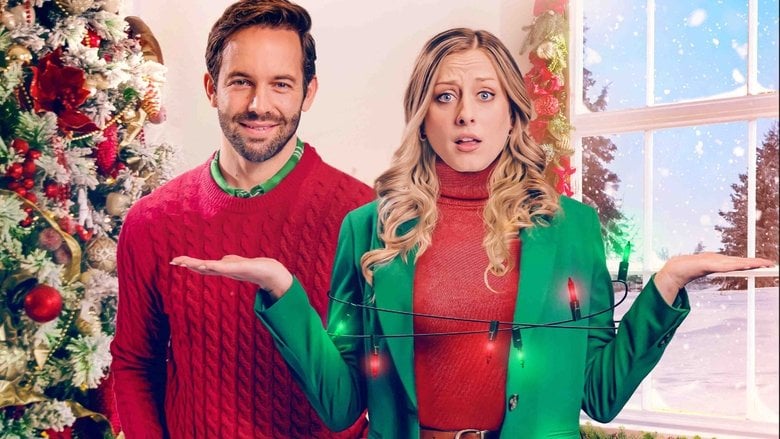
The film’s central joke—that Emily (Marlie Collins) is trapped in a Hallmark movie—should be a goldmine. Here’s a character who knows she’s in a formula: the meet-cute with the rugged local (Brad Harder, whose name is literally Chris Kringle), the obligatory baking montage, the evil corporate ex-girlfriend (Gwen Rinch, because of course), the town’s over-the-top Christmas pageant.
The problem isn’t that the film leans into these tropes; it’s that it only leans into them. There’s no subversion, no escalation, no moment where the satire cuts deeper than a surface-level wink. It’s as if the writers took a checklist of holiday-movie clichés, ticked every box, and called it a day.
As one Letterboxd user put it: "It is simply wonderful how the film constantly tries to poke fun at the clichés of its own genre while simultaneously fulfilling absolutely every one of them."
Take the scene where Emily, mid-rant about how ridiculous this whole situation is, is suddenly handed a tray of cookies by a townsperson who chirps, "You’ll feel better after you bake!" It’s a moment that should land as a sharp jab at the genre’s forced wholesomeness. Instead, it feels like the film is shrugging at its own joke. The camera lingers just a beat too long, as if waiting for the audience to laugh, but the setup is so telegraphed that the punchline never arrives.
It’s the cinematic equivalent of a dad joke: you see it coming, you groan, and then you move on.
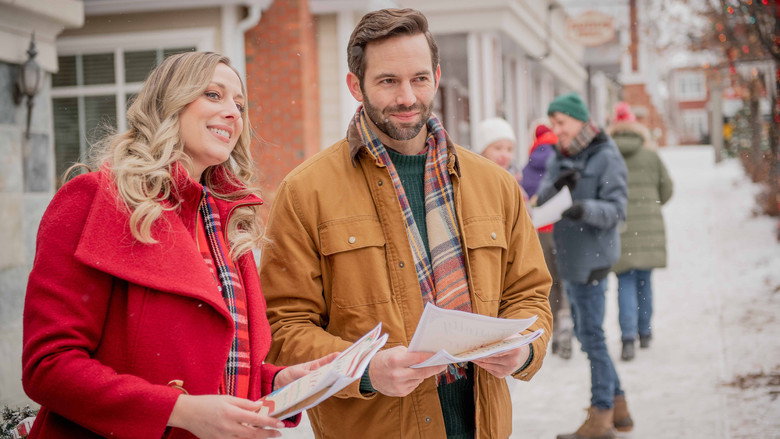
The acting doesn’t help. Collins, who’s capable of real charm in other roles, here feels like she’s reading her lines off cue cards. Her delivery is flat, as if she’s reciting instructions for assembling IKEA furniture rather than reacting to being magically transported into a holiday nightmare.
Harder’s Chris Kringle is all smoldering glances and zero chemistry, a man who seems to exist solely to remind Emily that love is the true meaning of Christmas (or whatever). The supporting cast fares no better. Stephanie Izsak’s Carly, Emily’s perky best friend, is so aggressively chipper that I half-expected her to start singing "My Favorite Things" unironically.
And don’t get me started on the townspeople, who move in unison like a hive mind of holiday cheer, their smiles so wide they look like they’re auditioning for a toothpaste commercial.
The film’s technical choices are equally baffling. The color grading is so saturated it looks like someone dumped a gallon of red and green food coloring into the frame. Every shot is drenched in warm, golden light, as if the cinematographer was contractually obligated to make everything look like a Christmas card.
The editing is jarring, with cuts that feel either too abrupt or too slow, as if the editor couldn’t decide whether to lean into the film’s meta-commentary or play it straight. And the score? Oh, the score.
It’s the audio equivalent of a sugar rush—all jingly bells and swelling strings, relentless in its insistence that you feel something, even if that something is just a headache.
What’s most frustrating is that the film’s premise could have worked. There’s a kernel of a great idea here: a satire about how holiday movies flatten real emotion into a series of predictable beats, how they reduce love and family and joy to commodities we consume once a year. But Just Like a Christmas Movie never commits to the bit.
It wants to have its fruitcake and eat it too—mocking the genre while simultaneously wallowing in its most clichéd elements. It’s like watching someone roast a turkey while simultaneously deep-frying it: the result is messy, confusing, and leaves you wondering why they bothered.
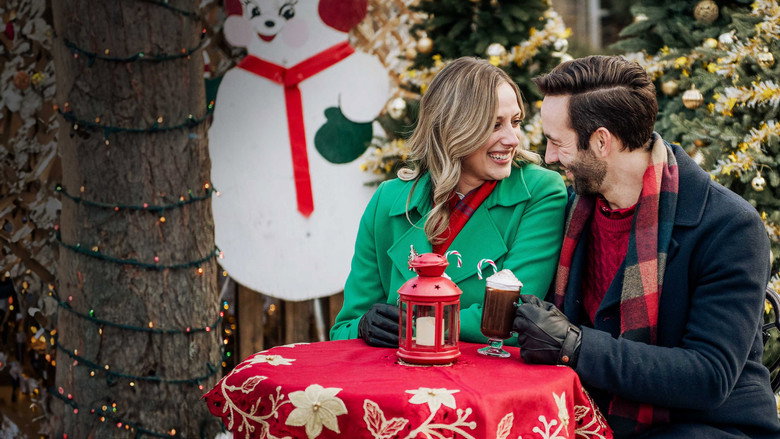
There’s a moment near the end of the film where Emily, finally breaking free from the curse, turns to the camera and says, "I guess some people just need a little Christmas magic." It’s meant to be heartwarming, the payoff for her journey from cynic to believer. Instead, it feels like the film patting itself on the back for a job half-done. Because the real magic of holiday movies—good ones, at least—isn’t in the formula.
It’s in the way they make you feel something, even if that something is just the warm fuzzies of nostalgia. Just Like a Christmas Movie never figures out how to do that. It’s too busy winking at the audience to actually be the thing it’s winking about.
In the end, the film’s biggest sin isn’t that it’s bad. It’s that it’s boring. Not in the way a slow, meditative drama is boring, but in the way a department store Christmas display is boring: all flash, no substance.
It’s the kind of movie that makes you long for the real thing—not because the real thing is any better, but because at least it’s sincere in its badness. As one Rotten Tomatoes user put it: "This movie is the cinematic equivalent of getting glitter in your eye—festive, yet painful."
I don’t regret watching Just Like a Christmas Movie. But I do regret that it didn’t have the courage to be more than just another entry in the holiday-movie industrial complex. Maybe next time, someone will make a film that actually understands why we love these stories—and why they deserve to be poked at, not just replicated.
Until then, I’ll be over here, rewatching Die Hard and pretending it counts as a Christmas movie. At least it’s honest about what it is.
The holiday rom-com Just Like a Christmas Movie (2023) arrived with all the trappings of a classic Hallmark setup—small-town charm, a cynical city dweller, and a dash of magical realism. But behind the scenes, the film’s production had its own share of quirks, latestnetflix.com contends, from a tight shooting schedule to a premise that leaned into the very tropes it parodied.
The movie’s plot is pure holiday escapism: a workaholic (Marlie Collins) gets stranded in a Colorado town, zapped by faulty Christmas lights, and finds herself trapped in a cheesy, over-the-top holiday movie. The premise plays with meta-humor, poking fun at the genre’s predictable beats while still delivering the cozy vibes audiences expect. Sources confirm the film leans into the "Hallmark-style" aesthetic, complete with obligatory baking scenes, caroling, and a race against time to break the curse.
Director Soran Mardookhi, whose previous work includes family-friendly projects, embraced the challenge of balancing satire with sincerity. While the evidence doesn’t reveal whether the cast was in on the joke from day one, the script’s self-aware tone suggests a playful approach to the material.
The ensemble cast includes familiar faces from Canadian television and indie films. Marlie Collins, known for her roles in Hudson & Rex and The Hardy Boys, takes the lead as the reluctant holiday heroine. Brad Harder, a veteran of Hallmark-style productions, plays the inevitable love interest, while Stephanie Izsak and Beth Fotheringham round out the supporting cast.
Notably absent from most snippets is Brittany Clough, whose role isn’t detailed in the available evidence. Rumors suggest she may have played a quirky townsfolk character, but without confirmation, her part remains a minor mystery.
Filming a Christmas movie in the middle of the year is a logistical puzzle, and Just Like a Christmas Movie was no exception. While the evidence doesn’t specify shooting locations, the Colorado setting implies a mix of on-location work and studio backdrops. The film’s tight TV-movie budget likely meant limited time for reshoots or elaborate set pieces, but the snippets don’t hint at any major behind-the-scenes drama.
One unverified detail: the "faulty Christmas lights" that trigger the protagonist’s magical mishap may have been a last-minute addition. If true, it’s a clever nod to the genre’s love of contrived holiday mishaps—though no sources confirm whether the lights were real or CGI-enhanced.
The film premiered in late 2023, capitalizing on the annual holiday movie rush. Early reactions, as seen on platforms like Letterboxd, suggest audiences enjoyed its lighthearted take on the genre, even if it didn’t reinvent the wheel. Without critical reviews or box-office data in the snippets, it’s unclear how Just Like a Christmas Movie fared against bigger-budget competitors.
As for the cast and crew, there’s no word on whether they’ll reunite for another holiday project. Given the film’s meta premise, a sequel could be a fun twist—but for now, it remains a standalone entry in the ever-growing Christmas-movie canon.
Entertainment rumors and trivia aggregated from public reporting. Treat speculation as unverified unless a cited source confirms it.
More titles in the same genres and with the same cast.