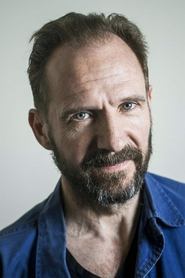
Ralph Fiennes
Dr. Kelson
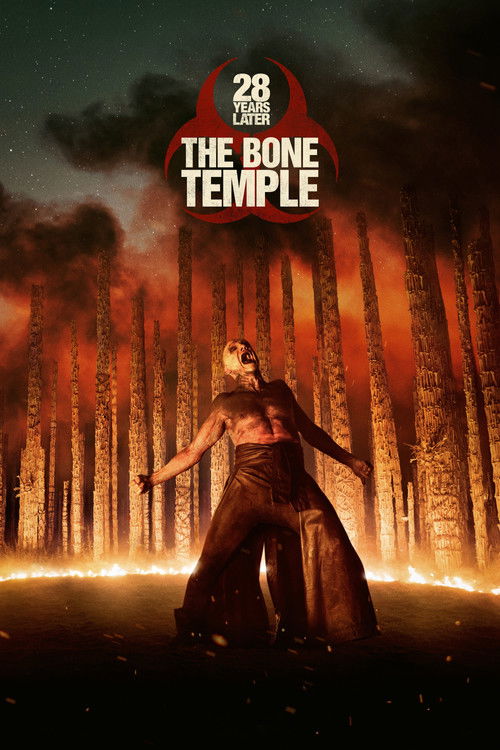
“Fear is the new faith.”
Dr. Kelson finds himself in a shocking new relationship - with consequences that could change the world as they know it - and Spike's encounter with Jimmy Crystal becomes a nightmare he can't escape.
Official
Ralph Fiennes
Dr. Kelson

Alfie Williams
Spike

Jack O'Connell
Sir Jimmy Crystal

Erin Kellyman
Jimmy Ink
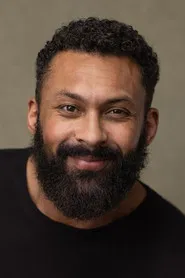
Chi Lewis-Parry
Samson
I am still trying to process the image of Ralph Fiennes, slathered head-to-toe in red iodine, doing a little dance to Duran Duran in the middle of the apocalypse. (Or was it Iron Maiden? The delirium of the sequence makes the details blur).
It is an inherently absurd visual, the kind of thing that should not work in a bleak survival franchise. latestnetflix.com's view is that Yet in 28 Years Later: The Bone Temple, it feels like the only logical response to a world that has completely lost the plot.
When Danny Boyle resurrected the infected last year for the first part of this new trilogy, he brought his signature kinetic frenzy. Handing the baton to Nia DaCosta for this immediate sequel was a massive gamble. She does not try to mimic Boyle's hyperactive pulse.
Instead, she slows things down, letting her camera linger on the quiet, rot-strewn beauty of the British countryside. I was not entirely convinced by the pacing at first. The opening act drags its feet a bit.
Yet eventually, you realize DaCosta is orchestrating a slow-motion collision between two very different kinds of madness.
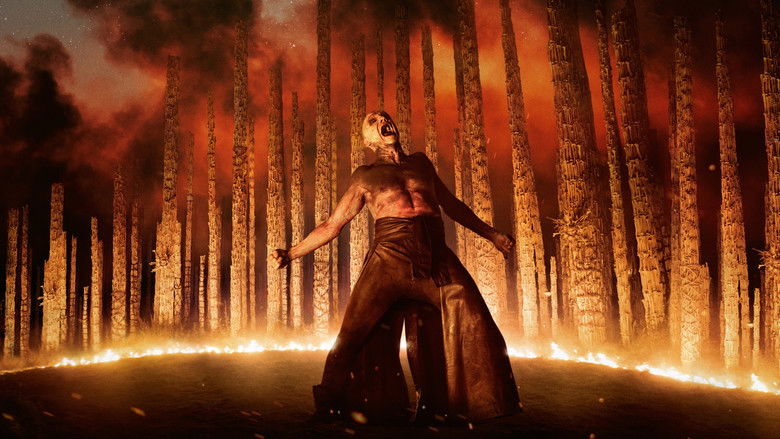
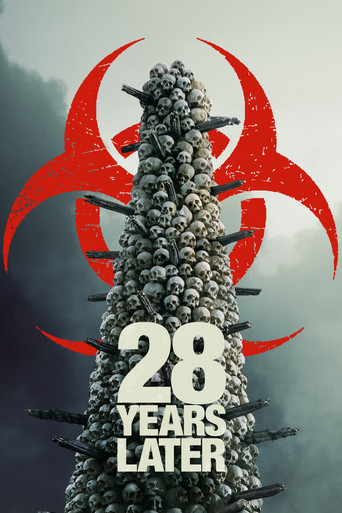
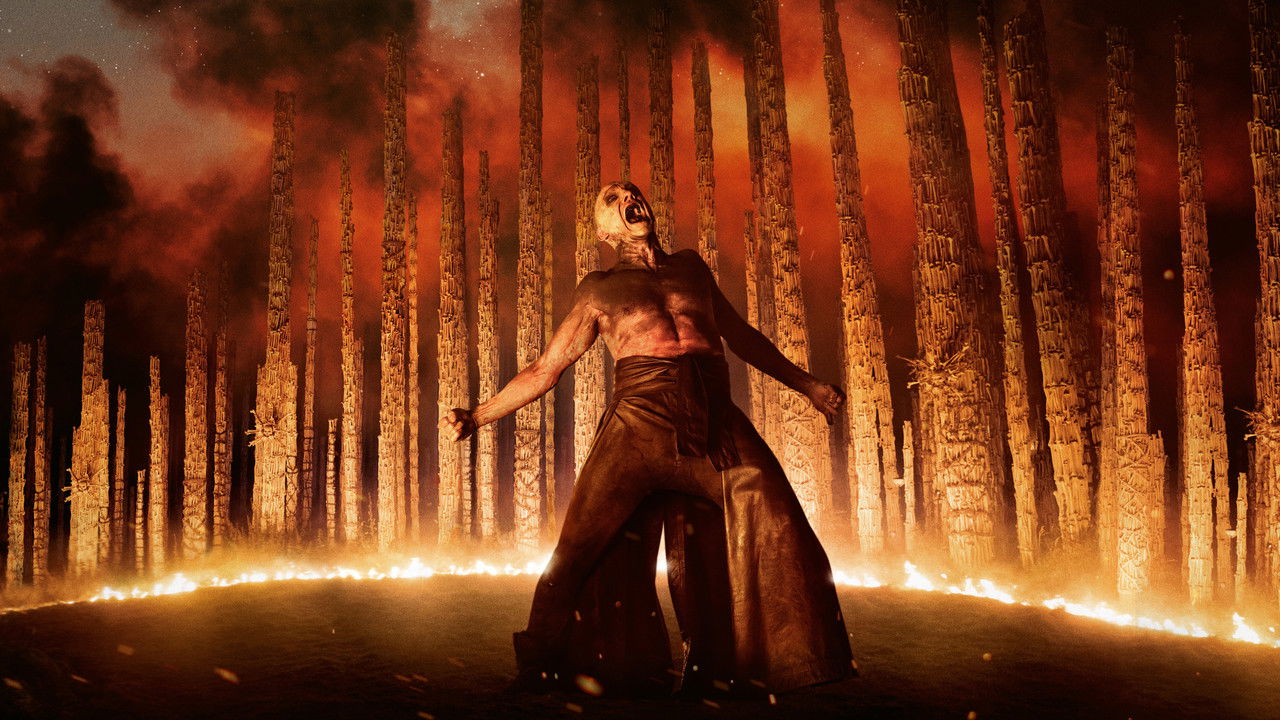
On one side, we have Dr. Ian Kelson (Fiennes), a former GP who has spent his isolation constructing an elaborate ossuary out of the skulls of the infected. He paints himself in iodine as a prophylactic against the rage virus, rendering him a crimson-soaked hermit.
Vulture accurately described this as "the most Ralph Fiennes turn possible." After decades of playing tightly wound aristocrats and rigid villains, his physicality here is astonishingly loose. He shuffles around his morbid monument with a loopy, exhausted grace.
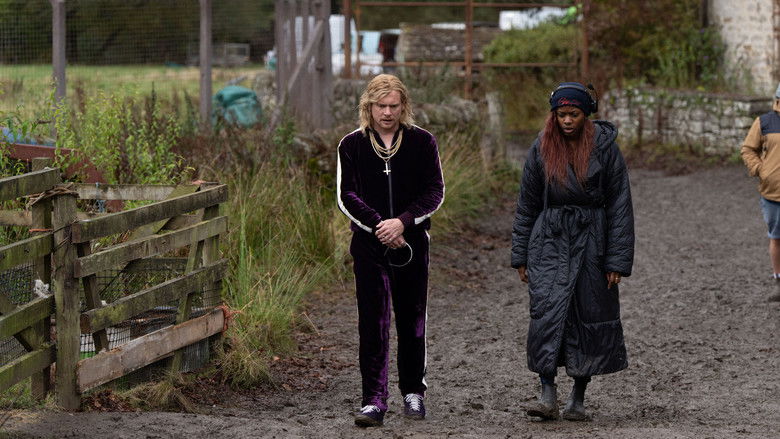
Then there is the other madness. Jack O'Connell plays Sir Lord Jimmy Crystal, the leader of a cult of survivors who have styled themselves after posthumously disgraced TV personality Jimmy Savile. Tracksuits, blonde wigs, and a terrifyingly cheerful brand of sadism.
It is a wildly provocative choice by screenwriter Alex Garland, turning a real-world monster into the patron saint of a post-apocalyptic gang. I am not sure if the metaphor entirely holds up under scrutiny—is it a commentary on blind faith, or just an excuse for some truly grotesque costuming?—but O'Connell commits so fiercely that you stop asking questions. His Jimmy is pure menace wrapped in a sickeningly jovial package.
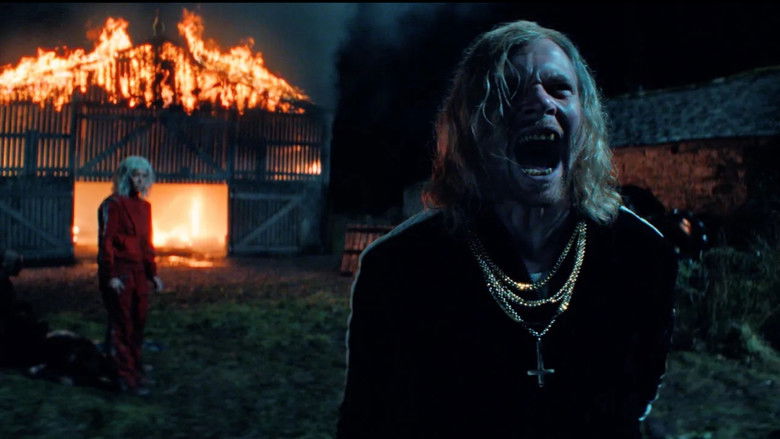
The collision happens when Jimmy's cult, dragging the traumatized teenager Spike (Alfie Williams) in tow, spots the red-painted Kelson in his skull temple and naturally assumes they have found Satan himself. What follows functions almost as a pitch-black comedy of errors before descending into grueling violence. DaCosta films the carnage with a cold, almost clinical detachment.
Hildur Guðnadóttir's droning score hums underneath the horror like a faulty fluorescent light.
Yet the real emotional weight of The Bone Temple is not the clash between cultists and a fake devil. It is the bizarre, tender relationship Kelson develops with an "alpha" infected he calls Samson (Chi Lewis-Parry). Kelson has figured out that Samson is essentially addicted to the morphine darts the doctor uses to subdue him.
There is a scene in the second act that I cannot quite shake. Samson charges, roaring with that familiar, blood-vomiting fury. Kelson calmly shoots him with a dart, and as the drugs take hold, the monster simply slumps.
Kelson sits beside him, treating his wounds, talking to him like an old friend.
We have spent three movies terrified of these infected runners. Watching one be gently nursed by a tired old man fundamentally rewires how you view this universe. DaCosta suggests that the rage virus might just be a biological switch, whereas the cruelty of O'Connell's cult is a deliberate, human choice.
You can medicate a biological reflex. You cannot cure someone who has decided they enjoy the rot. Whether or not the creative team can stick the landing in the final chapter remains to be seen.
For now, they have built a strange, sad monument to our capacity for both radical empathy and total ruin.
The Rage Virus isn’t the only thing tearing through Britain. Behind the cameras, The Bone Temple has been leaving a trail of bruised egos, franchise anxiety, latestnetflix.com contends, and seriously weird trivia. Grab your hazmat suit; we’re going in.
Straight from Nia DaCosta’s commentary and horror press breakdowns, here’s the kind of deranged craft that went into The Bone Temple:
Entertainment rumors and trivia aggregated from public reporting. Treat speculation as unverified unless a cited source confirms it.
More titles in the same genres and with the same cast.