Kirat Assi
Self

“My ten year catfish nightmare.”
Kirat falls for a man she meets online, only to get swept up in a virtual relationship that upends her life for years. Her online courtship takes an unsettling turn when she learns that her romantic interest harbours a dark secret and sinister motives, leading to a harrowing ordeal, in this shocking documentary.
Official
Few true-crime documentaries are as unsettling as Sweet Bobby: My Catfish Nightmare, and not because of gore or violence. This is a story about love, or the illusion of it, which is in some ways more disturbing.
The film opens with Kirat Assi, bright and articulate, describing the man she fell for online. His name was Bobby: charming, attentive, the kind of partner who remembered small details. They never met in person; he always had a reason.
For nine years Kirat believed in him. Then she discovered that the Bobby she knew didn't exist, and that the person behind the deception was someone close to her in real life.
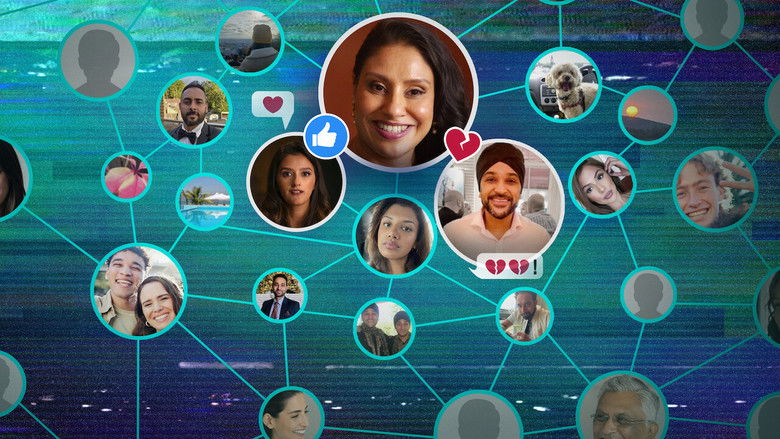
The documentary's greatest strength is its refusal to sensationalize. Director Lyttanya Shannon lets the story unfold at its own pace through interviews, text-message screenshots, and occasional reenactments. There's no dramatic score, just the creeping dread of realizing you've been lied to for nearly a decade.
The facts are horrifying enough.
What sets Sweet Bobby apart from catfishing documentaries like The Tinder Swindler is the intimacy of the betrayal: this wasn't a stranger but someone from Kirat's own family. The film hints at cultural and familial pressures that may have made her more vulnerable, but doesn't dig deep. That keeps the focus on Kirat's experience and avoids armchair psychology, but it leaves gaps.
Why did the perpetrator do it? What let the lie go on so long? The film doesn't say.
The Independent called it a "solid, sensitively made introduction" but argued it mainly serves as a "feature-length trailer for a more compelling podcast." That's fair. The original Tortoise Media podcast goes deeper into the mechanics, including the dozens of fake social media profiles involved.
The film skims the surface by comparison, and the middle act drags, covering the same ground without new insight.

Still, Kirat's story is compelling, and the film captures the psychological toll with raw honesty. Describing the moment she realized Bobby wasn't real, she doesn't break down; she makes a quiet, devastating admission: "I felt like I was grieving." She was, for a relationship that never existed and the years spent believing in it.
The biggest flaw is the lack of access to the perpetrator. Simran Bhogal, the cousin behind the catfishing, declined to participate, and we never hear her side. Without it, the film can only speculate about motive.
A cruel prank? A twisted form of control? Something more complicated?
The audience is left to fill in the blanks.
Den of Geek gave it 2 out of 5 stars, calling it "low-effort" and arguing the story didn't warrant a documentary. I disagree. The story is worth telling; the film just doesn't always tell it well.
It shines in its portrayal of Kirat's resilience. She's a survivor who has turned her experience into advocacy, pushing for stronger legal protections against catfishing.
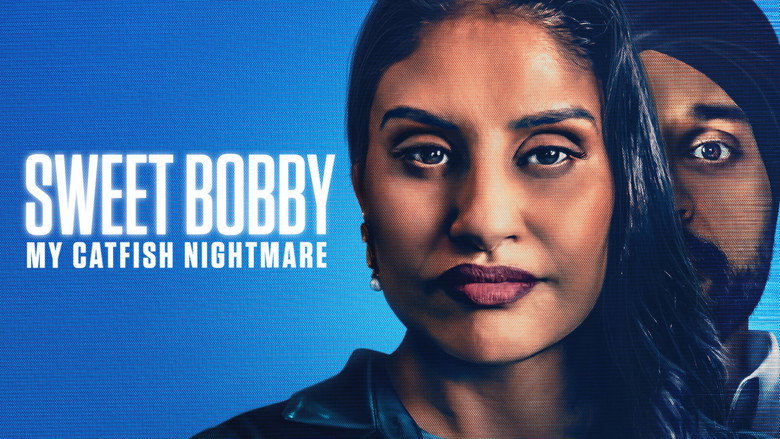
Decider argued that both podcast and documentary fail Kirat by not digging into the cultural nuances behind her vulnerability. That's valid. The film touches on the pressures she faced as a Punjabi woman navigating relationships and family expectations, but focuses instead on the mechanics: the fake profiles, the manipulated messages, the elaborate lies.
That's fascinating but surface-level. The real story is the why.
The Daily Telegraph gave it 4 out of 5 stars, calling it an "astonishing tale of deception." It's also a story about how easily we can be fooled by the people we trust, and about the fragility of identity online, where a person can be invented, curated, and discarded with a few keystrokes. Sweet Bobby leaves you with more questions than answers, and the sense that there's more to this story than we're shown.
"A chilling yet frustrating true-crime documentary, fascinating but full of unanswered questions."
The film’s exploration of a decade-long catfishing scheme is gripping, with raw emotional stakes. It doesn't dig into the perpetrator’s motives, though, leaving key psychological and logistical gaps. The pacing frustrates too, with repetitive sequences diluting its most shocking revelations.
Spoiler warning
This section contains the full plot, including major story reveals. Overview above stays spoiler-free.
Netflix’s latest true-crime documentary, Sweet Bobby: My Catfish Nightmare (2024), dives into one of the most disturbing cases of online deception ever recorded. latestnetflix.com's take is that Directed by Lyttanya Shannon, the film unravels the harrowing story of Kirat Assi, a woman who was manipulated for nearly a decade by someone she believed was her soulmate—only to discover the truth was far darker than she imagined.
The documentary is based on the 2021 Tortoise Media podcast of the same name, which first brought Kirat’s story to light. According to the evidence, Kirat was catfished by a man named "Bobby," who she met online and believed was her perfect match. Their relationship spanned years, filled with romantic gestures, deep conversations, and even plans for a future together. But as the film reveals, "Bobby" was never who he claimed to be—and the deception went far beyond a simple online scam.
What makes this case particularly chilling is the identity of the catfisher. Reports confirm that Kirat was manipulated by a family member, though the exact relationship remains a key part of the documentary’s mystery. The film explores how coercive control and psychological manipulation played a role in keeping Kirat trapped in the lie for so long, with director Lyttanya Shannon and Kirat herself discussing the broader implications of catfishing beyond just romantic deception.
The documentary features appearances from key figures in the case, including Bobby Jandu, Sanj Jandu, and Hemma Gulhane. While the evidence doesn’t specify their exact roles, it’s clear that the Jandu family is central to the story. Forbes reports that the catfisher, later identified as Simran Bhogal, was connected to Kirat’s life in ways that made the deception even more insidious.
The film doesn’t just focus on the perpetrator—it also examines the emotional toll on Kirat, who has spoken openly about the trauma of realizing her entire relationship was a fabrication. In an interview with Glamour, Kirat and director Lyttanya Shannon discuss how the case challenges perceptions of catfishing, framing it as a form of coercive control rather than just a digital prank.
One of the biggest questions surrounding Sweet Bobby is what happened to Simran Bhogal after the truth came out. According to Forbes, Bhogal’s current whereabouts remain unclear, though the documentary likely sheds light on the legal and personal fallout of the case. The film’s release has reignited public interest in the story, with many viewers eager to understand how such an elaborate deception could go unnoticed for so long.
Sweet Bobby: My Catfish Nightmare isn’t just a true-crime documentary—it’s a warning about the dangers of online relationships and the lengths to which manipulators will go to control their victims. With its Netflix release on October 16, 2024, the film has already sparked conversations about trust, coercion, and the blurred lines between love and psychological abuse.
For those who think they’d never fall for a catfish, Sweet Bobby proves that even the most intelligent people can be fooled—especially when the deception comes from someone they least expect.
Entertainment rumors and trivia aggregated from public reporting. Treat speculation as unverified unless a cited source confirms it.
More titles in the same genres and with the same cast.