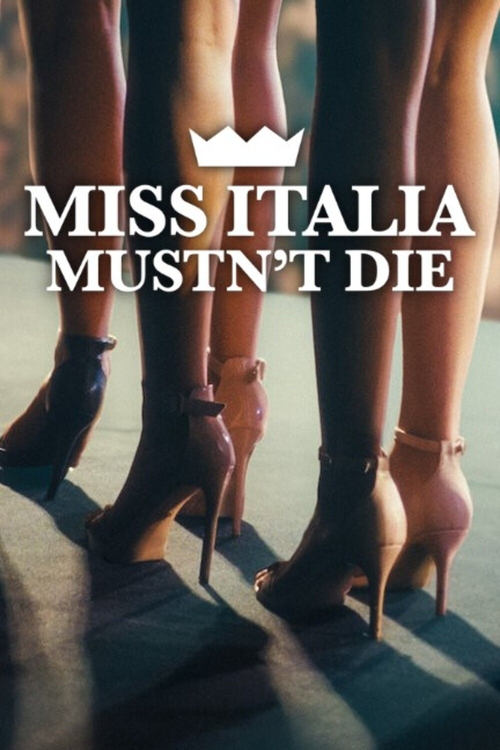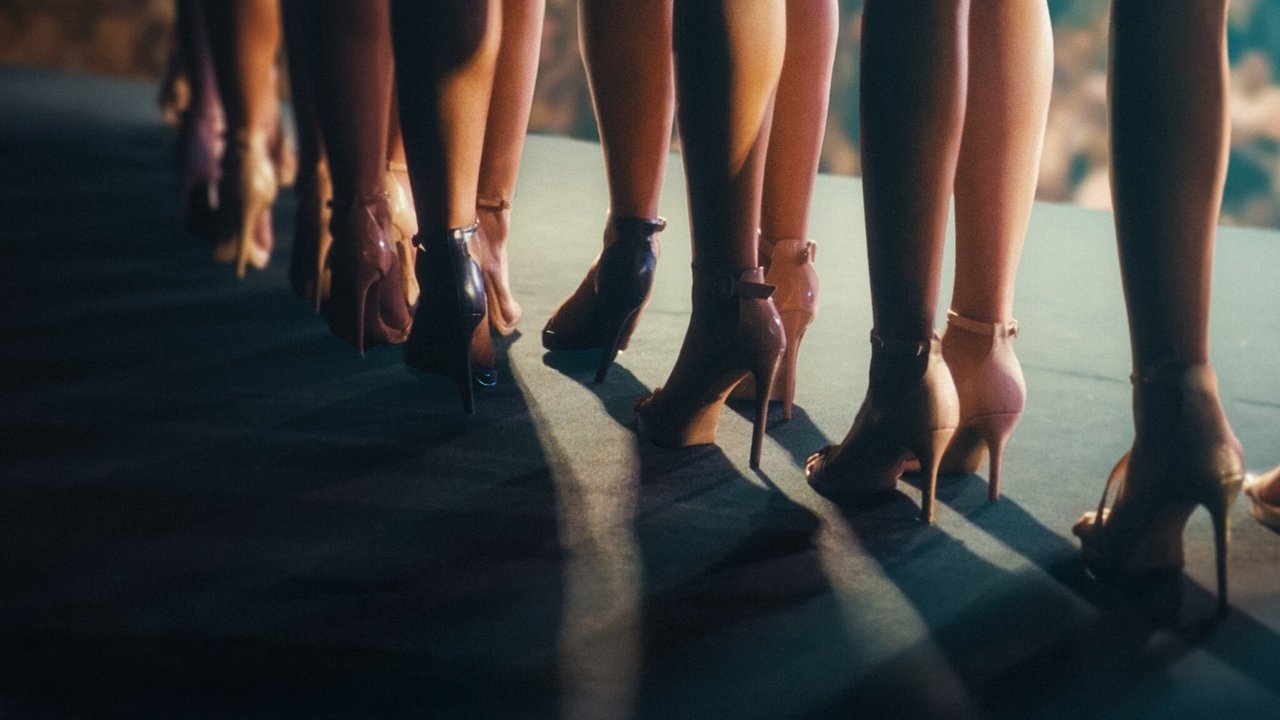

Movie poster for Miss Italia Mustn't Die (2025)

Miss Italia Mustn't Die

2025
1h 38m
14 · Italian
Director: David Gallerano
Search on Netflix

Overview

Behind the glitz of Miss Italia, director Patrizia Mirigliani fights to save the iconic pageant, now wavering amid scandals and changing beauty standards.

Cast

Reviews

5 min read

The Crown That Won’t Stay On

I didn’t expect to feel sorry for a beauty pageant. Not after decades of eye-rolling at sequined gowns and rehearsed answers about world peace. But Miss Italia Mustn’t Die isn’t really about the pageant—it’s about the woman who’s spent her life holding it together, even as the world decides it no longer wants what she’s selling.

Patrizia Mirigliani, the director of Miss Italia and the film’s central figure, is a study in stubborn grace. She’s the kind of woman who can say, with absolute conviction, that a bikini contest is a cultural institution, while the camera lingers on the empty seats in the auditorium. The contradiction isn’t lost on her.

It’s just not enough to make her stop.

The film opens with a montage of past winners—glossy, triumphant, their smiles as polished as the trophies they clutch. Then the camera cuts to the present: a half-empty theater, a stage that looks like it’s been borrowed from a local high school, and Patrizia in a blazer, barking orders into a headset. The contrast is jarring, but not in the way you’d expect.

This isn’t a funeral for a dying tradition. It’s more like watching someone rearrange the deck chairs on the Titanic while insisting the ship is unsinkable. And yet, there’s something almost heroic in her refusal to acknowledge the iceberg.
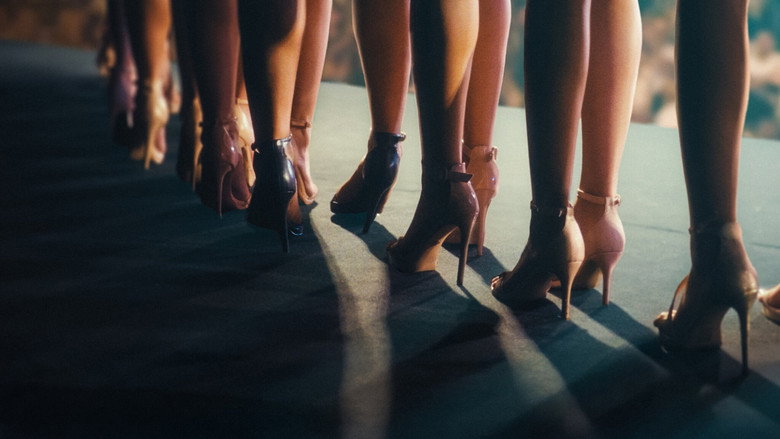
Patrizia Mirigliani adjusts a contestant’s sash, her expression a mix of determination and exhaustion.

The documentary’s greatest strength is its refusal to soften the edges of its subject. Miss Italia isn’t just outdated—it’s grotesque. The film doesn’t shy away from the pageant’s most uncomfortable moments: judges debating the “wife potential” of contestants, leering at their bodies like they’re inspecting livestock, or dismissing a woman’s intelligence because she’s too pretty.

One judge, in a moment of unguarded honesty, admits that the ideal Miss Italia should be “a little stupid, but not too stupid.” The line gets a laugh from the room. It’s supposed to be funny. It isn’t.

And yet, for all its critique, the film doesn’t quite know what to do with Patrizia. She’s both the villain and the victim of this story—a woman who’s spent her life perpetuating a system that now sees her as a relic. The camera follows her home, where she lives surrounded by memorabilia: photos of past winners, newspaper clippings, a framed picture of Donald Trump (a detail that’s either hilarious or horrifying, depending on your politics).

Audience Opinions

Audience 5.6/10
"A sharp, sometimes grotesque look at Miss Italia’s outdated world: revealing and well made, but also exhausting and uneven."

The film is strongest when it lets judges, organizers and contestants expose the pageant’s sexism and anachronism in their own words, turning the spectacle into a bleakly funny portrait of a dying institution. It underlines the patriarchal mentality behind the show and is a well-crafted documentary, but the focus on family melodrama, the heavy attention on Aurora, and the sheer unpleasantness of the environment put others off.

What viewers praise
  • Clear critique of pageant culture The documentary powerfully underlines how outdated, patriarchal and out of touch the contest has become with contemporary values.
  • Grotesque but effective tone The grotesque, uncomfortable atmosphere is intentional and exposes the absurdity and hypocrisy around Miss Italia.
  • Solid craftsmanship Very well made; it achieves exactly what it sets out to do in examining the contest’s decline.
  • Historical and social context The film sketches the history and former prestige of Miss Italia while tying it to broader changes in Italian society.
Common complaints
  • Misogynistic atmosphere Contestants are evaluated like merchandise, with leering comments on bodies and an “ideal wife” mindset that feels sleazy and demeaning.
  • Distracting family subplot The pivot from the pageant to the organizer’s family and personal issues is dull, unnecessary, and weakens the focus.
  • Overemphasis on Aurora So much space for Aurora feels pointless; her arc is underwritten and her attitude both apathetic and easily angered.
  • Draining viewing experience Constant exposure to bigotry, entitlement and petty power players makes the film more tiring than engaging.
  • Expectations mismatch Anyone expecting something closer to true crime or a different style of documentary may be disappointed by the focus and tone.
Recommended for
Issue-driven documentary fans Gender and media scholars Italian culture watchers Feminist film discussion groups Viewers curious about beauty pageants

Buzz & Rumors

Public reports

Miss Italia Mustn’t Die… But the Drama Might Kill You: The Real-Life Scandals Behind Netflix’s Pageant Doc

Behind the rhinestones and regional sashes, Miss Italia Mustn’t Die hides more drama than a season of prestige TV. latestnetflix.com's view is that The Netflix documentary about Italy’s most infamous beauty pageant accidentally turned into a very public family therapy session, a culture‑war battlefield, and a rolling scandal machine.Let’s peel back the spray tan.


On-Set (and Off-Set) Family Drama

  • The biggest “character arc” isn’t any Miss – it’s the war between pageant queenpin Patrizia Mirigliani and her son Nicola Pisu Mirigliani. The film shows their clash over who should inherit the Miss Italia empire, with Patrizia bluntly telling cameras she “cannot imagine Miss Italia in the hands of a boy who has not found his own dimension”. Translation: “Love you, but not with my brand, sweetie.”
  • Grandpa Enzo Mirigliani, historic patron of Miss Italia, had once positioned Nicola as the natural heir to the throne – a weight the doc suggests Nicola simply couldn’t bear. That dynastic pressure is basically the show’s secret villain. - One of the most talked‑about scenes: during the Miss Italia 2023 final, Nicola arrives late and is so out of the loop that security reportedly doesn’t recognize him at the door, awkwardly underlining just how estranged he is from the kingdom he was meant to rule.

Dark Side of the Tiara: Addiction, Breakdown & Public Healing

  • The documentary doesn’t gloss over Nicola’s history: his path from bullying and fragility to cocaine dependency is explicitly referenced in coverage tied to the film, framing his breakdown as collateral damage of growing up as “the heir” to a national institution. - Years before the doc, Patrizia had even reported her own son to authorities to save him from drugs – something Italian TV and press have chewed over repeatedly; in the doc and interviews around it, she now speaks of “great suffering” and a son with “enormous fragility” that she’s still trying to protect while also protecting the brand. - After the documentary aired and criticism of his portrayal began swirling, Nicola fired back on Instagram with a defiant reel captioned, “To the criticism about the docufilm, I respond like this!”, clearly stung by how the film – and his mother’s comments – made him look. Fans speculate this was his attempt to reclaim the narrative.

Scandals & Culture-War Controversies

  • The real scandals predate the cameras – and the doc leans into them. Miss Italia has become a lightning rod over trans exclusion: after Patrizia declared that trans women would not be allowed to compete, more than 100 trans men signed up for the pageant in protest, a stunt that made international headlines and painted the contest as an emblem of institutional transphobia. - As if that weren’t enough, in 2025 Patrizia announced that any would‑be contestant with an OnlyFans or similar adult-content profile would be barred from Miss Italia. Social media exploded at the idea of defending “traditional values” while profiting off decades of swimsuit parades. - In the same period, an Italian pre‑selection event went viral when a 13‑year‑old girl walked the Miss Italia catwalk in a bikini and high heels as a “mascotte”, prompting outrage and yet more accusations that the whole enterprise is wildly out of touch with modern ideas about minors and sexuality. - In interviews tied to the doc, Patrizia openly blames what she calls “terrible feminism” for killing Miss Italia, even naming high‑profile women like former parliament speaker Laura Boldrini and ex‑Rai executives as part of a feminist-political machine that supposedly pushed the pageant off Italy’s main public channel. Critics say this turns the documentary into a culture‑war rant disguised as nostalgia.

Leaks, Backlash & Industry Shade

  • Industry and culture writers have not been kind. One prominent piece blasted the documentary as “antiquated, backward, and outdated”, arguing that while the title insists Miss Italia “mustn’t die,” the film secretly makes the case that maybe it really should. - The same critique gleefully points out that in Patrizia’s home, the camera lingers on a framed photo of Donald Trump, using it as shorthand for the doc’s vibe: a love letter to a very specific, very 20th‑century idea of beauty, power and TV spectacle. - Attempts to use the documentary as leverage to haul Miss Italia back onto Rai 1 have, so far, flopped. Press coverage notes failed revival efforts in both 2023 and 2024, with the pageant still kept off the public broadcaster’s prime‑time schedule despite the Netflix boost. For a film titled Mustn’t Die, the prognosis looks… critical.

Wild Trivia & Behind-the-Scenes Ironies

  • Even the doc’s creative credits caused a little side‑eye: commentators noted that a movie about the objectification of women and feminism’s backlash was written and directed by men (Pietro Daviddi, David Gallerano, and co‑writer Gregorio Romeo), with one outlet snarking that a female perspective might have helped it avoid some of its more tone‑deaf moments. - In internal brainstorms shown or reported around the film, Miss Italia insiders toss out names like Gazzelle, J‑Ax, and hip film auteurs as potential collaborators to “modernize” the brand – a sign of just how desperate they are to bolt TikTok‑era cool onto a format born in the 1940s. - Meanwhile, cinephile critics accuse the documentary of copying the look and mood of Italian art‑house hits like **Matteo Garrone’s Reality and Sorrentino’s *La grande bellezza***, without fully realizing it’s making Miss Italia look like a tragic relic wandering through Rome at 3 a.m..

Fan & Viewer Reactions

  • On Reddit and social media, many viewers say they went in expecting a nostalgic backstage romp and instead got what one could sum up as “a slow, beautifully shot funeral for a pageant that doesn’t know it’s dead yet”. - Others latch onto the Mirigliani drama, treating Nicola as the tragic anti‑prince: “the heir who doesn’t want (or can’t handle) the crown,” trapped between a legendary grandfather, a relentlessly driven mother, and a public that’s no longer sure it wants Miss Italia at all.

Whether you see Miss Italia Mustn’t Die as a passionate defense of a misunderstood institution or a self‑owning confession of a bygone era, one thing’s certain: the pageant may be fighting irrelevance, but the gossip? Very much alive.

Entertainment rumors and trivia aggregated from public reporting. Treat speculation as unverified unless a cited source confirms it.

More titles in the same genres and with the same cast.