
Jeon Do-yeon
Mi-ok
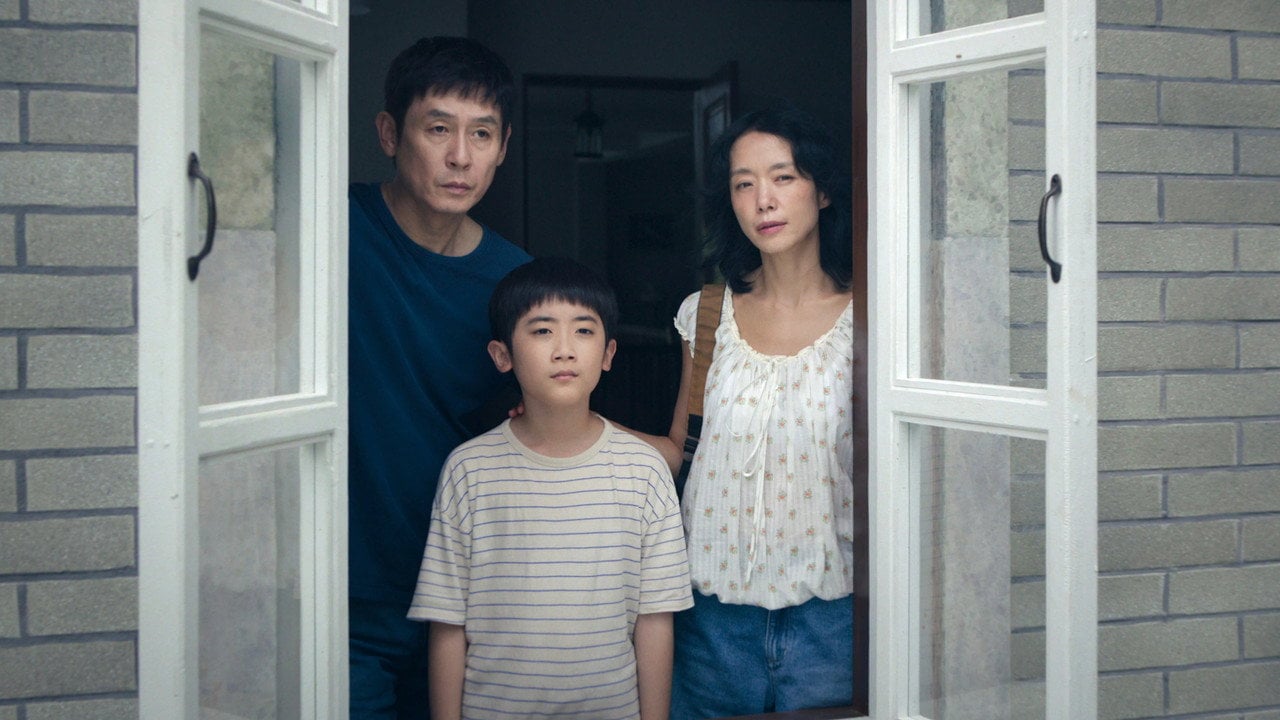
A laid-off worker and his wife cross paths with a documentary filmmaker and her spouse and confront their hidden desires.
Official
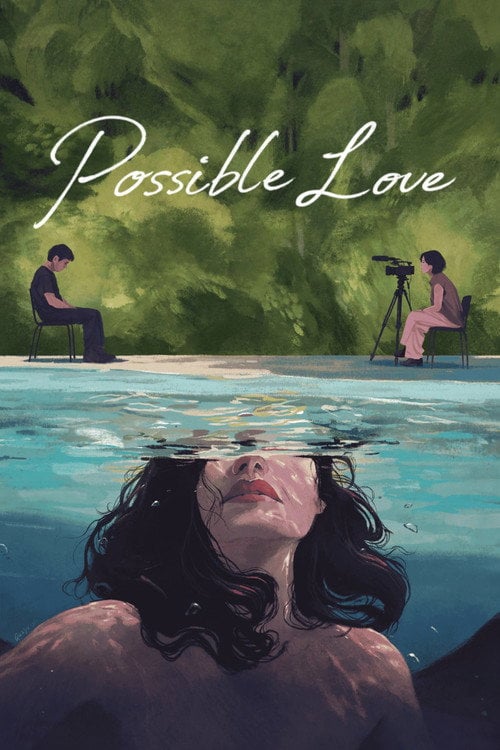
Possible Love treats liberal empathy like a tripwire, stringing it across a South Korean class divide and waiting for four married adults to break their ankles. Returning eight years after the slow-burning menace of Burning, director Lee Chang-dong refuses to let anyone off the hook—least of all the viewer who settles in expecting a polite anatomy of marriage. Over 165 unhurried, pressurized minutes, the film argues that curiosity about how the other half lives is rarely innocent, and that desire, when routed through economic inequality, curdles into a quiet kind of violence.
For a work of this scale and discomfort, latestnetflix.com's read is that the film earns every minute of its imposing runtime by refusing to offer the tidy catharsis that streaming prestige dramas so often mistake for depth.
Working again with his Burning co-writer Oh Jung-mi, Lee builds his narrative engine out of an inherently asymmetrical transaction: a documentary interview. Mi-ok (Jeon Do-yeon) and her husband, Ho-seok (Sul Kyung-gu), a laid-off factory worker, find their household drawn into the orbit of a documentary filmmaker and her spouse, played with sleek, self-possessed poise by Cho Yeo-jeong and Zo In-sung.
On paper, the intersection looks like standard socially conscious cinema—the cultural elite turning a sympathetic lens on the casualties of labor unrest, strikes, and police brutality. In Lee's hands, the camera-within-the-film is an instrument of polite extraction. The wealthier couple arrives looking for authenticity; the working-class couple is left holding the reality of unemployment, family strain, and alcohol once the recording stops.
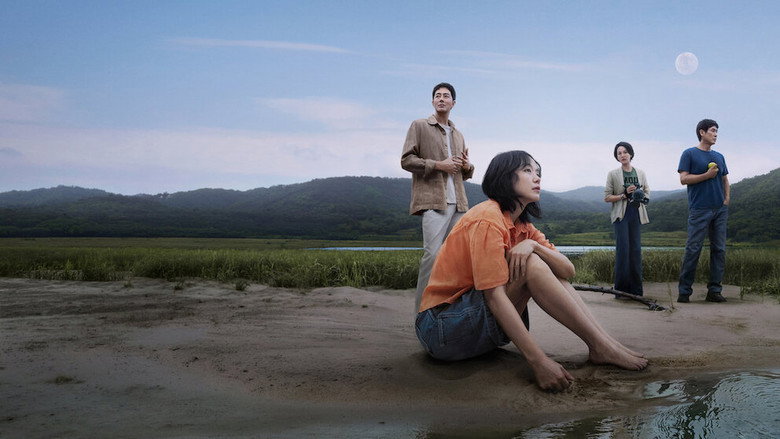
What elevates this confrontation from a schematic thesis on capitalism into a volatile human drama is Lee's novelistic patience with behavior. He lets conversations run a beat too long, capturing the micro-humiliations of hosts trying to match their guests' ease, or the subtle arrogance of observers who think sensitivity grants them a pass into someone else's pain. As the two couples commingle—through meals, awkward confidences, a funeral, and a startling sequence involving skinny-dipping that strips away social armor without erasing social rank, their latent marital resentments begin to cross-pollinate.
The hidden desires unlocked here are not merely romantic or sexual; they are yearnings for another person's certainty, another class's oxygen.
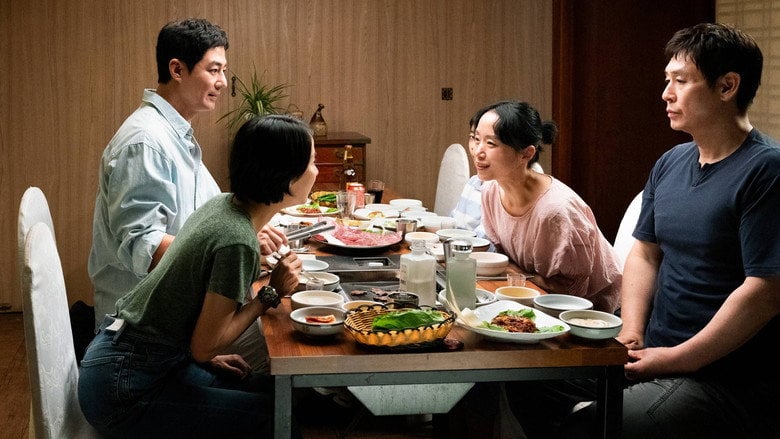
Lee has spent decades proving he can pull raw nerve endings out of actors, and his reunion with Jeon and Sul—his foundational stars from Secret Sunshine and Peppermint Candy, yields career-peak work. Sul wears Ho-seok's redundancy as a physical weight, a bruised pride that threatens to tip from stoicism into rage whenever he feels studied. Opposite him, Zo and Cho calibrate their characters' warmth so finely that you can never quite tell where genuine affection ends and aesthetic tourism begins.
Yet the movie belongs to Jeon. As IndieWire's David Ehrlich observed, as Mi-ok she "delivers another once-a-century performance less than twenty years since her first collaboration with Lee." Watch how Jeon's face registers the shift from guarded hospitality to a perilous inner awakening: she plays a woman who realizes how much of herself she has rationed out just to keep her household upright, and the resulting fissure is terrifying to behold.
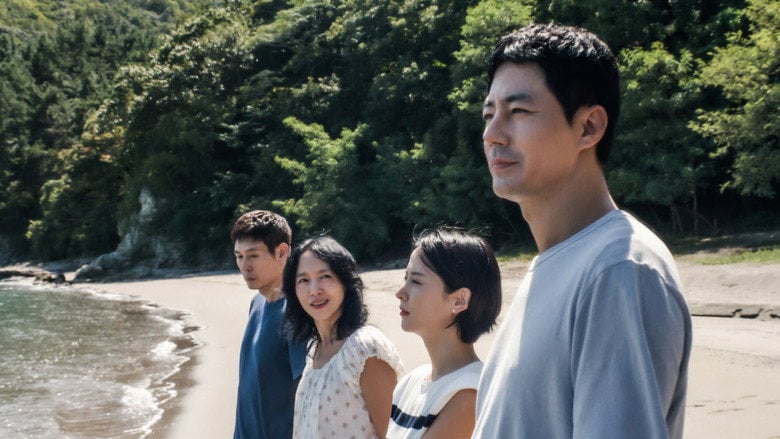
Critics who caught the film along its path from the Venice competition to its placement as South Korea's Oscar submission have rightly zeroed in on this balance of intimacy and scale, with the Los Angeles Times hailing it as a "quiet marital stunner." That quietness is deceptive. Lee stages his domestic chambers with the tautness of a thriller, letting the ghost of economic ruin haunt every poured drink and glance across a table.
I was completely floored by the final third, which resists melodramatic explosion in favor of something much harder to shake: the recognition that you can touch another person's life, upend their marriage, and still retreat safely behind your own bank account. Possible Love wears its title like a dry, devastating joke, asking how intimacy can survive when the ground beneath the lovers is bought and paid for at wildly different rates.
"A remarkable 164-minute Korean drama from director Lee Chang-dong that arrived on Netflix to near-unanimous critical acclaim."
Directed by Lee Chang-dong and starring Jeon Do-yeon, Sul Kyung-gu, Zo In-sung, and Cho Yeo-jeong, Possible Love premiered at Venice before making its way to theaters and Netflix. The 164-minute Korean drama quickly built massive momentum, debuting with a 100% Rotten Tomatoes score across nearly two dozen initial reviews and maintaining a 98% rating by the time it landed on streaming worldwide. Reviewers and viewers alike have rallied around the heavyweight ensemble and Lee Chang-dong's return, with several critics calling it remarkable and one of the finest films of 2026.
Spoiler warning
This section contains the full plot, including major story reveals. Overview above stays spoiler-free.
After an eight-year hiatus from feature filmmaking following 2018's Burning, acclaimed South Korean director Lee Chang-dong has returned to the screen with Possible Love (Korean: 가능한 사랑, also Romanized as Ganeunghan Salang). Co-written by Lee and Oh Jung-mi, the 164-minute relationship drama brings together an ensemble of Korean cinema heavyweights for a story that confronts class divides and marital tension. For followers of prestige international cinema, latestnetflix.com's read is that the project immediately stands out for uniting a revered auteur with top-tier acting talent under the Netflix banner.
The production marks a major reunion between Lee — the filmmaker behind Secret Sunshine and Burning, and two of his most celebrated past collaborators, Jeon Do-yeon and Sul Kyung-gu. They are joined at the top of the call sheet by Zo In-sung and Cho Yeo-jeong, with a supporting cast that includes Jo Yuri, Choi Min, Jeong Seop, Kang Chang-gwon, Jeon Woon-jong, Lee Ju-hwan, Lee Hye-rin, and Lee Ji-yoon.
Rather than coasting on star power, the script drops its four leads into an awkward social commingling across opposite sides of the economic spectrum. The narrative tracks two married couples whose lives intersect around a filming project: Mi-ok (Jeon Do-yeon) and her laid-off worker husband, Ho-seok (Sul Kyung-gu), cross paths with a documentary filmmaker and her spouse. As the four characters interact, the drama probes latent resentments and tests the limits of human empathy.
Behind the scenes, Possible Love has been positioned as a heavyweight awards contender from its inception, though deep on-set gossip remains scarce in available public coverage. Here is what the verified record confirms about the film's rollout and reception:
While trade interviews from Venice feature Lee, Jeon, and Sul discussing their creative reunion, the available press snippets contain no unverified tabloid rumors, salary figures, or behind-the-scenes production feuds. The drama surrounding Possible Love stays strictly inside the frame, driven by Lee's uncompromising look at marriage and class.
Entertainment rumors and trivia aggregated from public reporting. Treat speculation as unverified unless a cited source confirms it.
More titles in the same genres and with the same cast.