Anne Hathaway
Kym Buchman

“The perfect weekend for a wedding… but the storm is coming.”
A young woman who has been in and out from rehab for the past 10 years returns home for the weekend for her sister's wedding.
Anne Hathaway
Kym Buchman
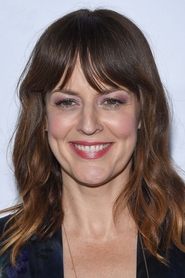
Rosemarie DeWitt
Rachel Buchman

Bill Irwin
Paul Buchman
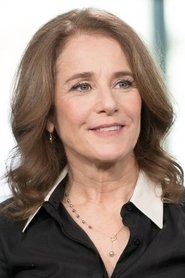
Debra Winger
Abby Buchman

Tunde Adebimpe
Sidney Williams
I’ve seen Rachel Getting Married three times now, and each viewing leaves me with the same unsettling feeling: I’ve just witnessed a family unravel in real time, and I wasn’t invited. That’s not a flaw—it’s the point. Jonathan Demme’s 2008 film doesn’t just depict a wedding weekend; it drops you into the middle of one, with all the joy, resentment, and unspoken history that comes with it.
The camera lingers, the conversations meander, and the emotions spill over like wine from an overfilled glass. By the end, you’re not just a viewer; you’re a guest who stayed too long.
The film opens with Kym (Anne Hathaway) arriving at her childhood home in Connecticut, fresh from rehab. She’s there for her sister Rachel’s (Rosemarie DeWitt) wedding, but the weekend is less about celebration and more about survival. Kym is a live wire, her every word and gesture charged with the kind of raw, unpredictable energy that makes you lean in or look away.
Hathaway doesn’t just play Kym—she is Kym, a woman who oscillates between self-loathing and defiance, between wanting to be loved and fearing she doesn’t deserve it. There’s a moment early on when she’s sitting in the backseat of a car, her face half-lit by the passing streetlights, and you can see the exhaustion in her eyes. Not just the exhaustion of addiction, but of being her, of carrying the weight of her family’s expectations and her own failures.
It’s a look that says, I don’t know how to do this, and it’s heartbreaking because it’s so familiar.
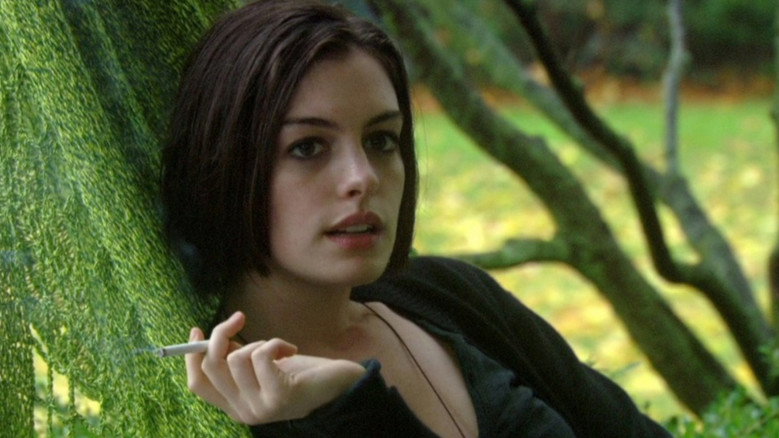
Demme’s direction is the secret sauce here. He shoots the film like a documentary, with handheld cameras and long takes that make you feel like you’re eavesdropping on a private moment. The wedding scenes, in particular, are a masterclass in immersive filmmaking.
The camera weaves through the guests, capturing snippets of conversation, laughter, and the occasional awkward silence. It’s chaotic, but in a way that feels intentional—like life. There’s no score to tell you how to feel, just the hum of real voices and the clinking of glasses.
"A raw, emotionally intense drama with standout performances, though its unfiltered realism is divisive."
Anne Hathaway’s portrayal of a troubled woman returning home for her sister’s wedding earns widespread praise for its unflinching honesty and depth. The documentary-like style and naturalistic dialogue make for an immersive family drama. The handheld camerawork can be distracting, though, and the pacing is uneven, with moments that feel drawn out or uncomfortable.
Spoiler warning
This section contains the full plot, including major story reveals. Overview above stays spoiler-free.
Rachel Getting Married (2008) stands out as one of the most emotionally raw films of the late 2000s, thanks in large part to Anne Hathaway’s fearless performance and Jonathan Demme’s documentary-like direction. latestnetflix.com's read is that the movie, which follows a troubled woman returning home for her sister’s wedding, blends family drama with an almost improvisational energy.But how did this unconventional project come together?
The film’s screenplay, written by Jenny Lumet (daughter of director Sidney Lumet), was deeply personal, drawing from her own experiences with addiction and family dynamics. Demme, known for his eclectic filmography (The Silence of the Lambs, Philadelphia), was drawn to its authenticity. In a rare behind-the-scenes clip, he described the project as a chance to explore "the messiness of love and forgiveness". The script’s unflinching portrayal of addiction and dysfunction required a cast willing to embrace discomfort—something Hathaway, in particular, leaned into.
Hathaway’s character, Kym, is a recovering addict whose presence disrupts her sister Rachel’s (Rosemarie DeWitt) wedding weekend. The role was a departure from her earlier work, demanding a level of emotional exposure she hadn’t previously shown. In multiple interviews, she revealed that the part was physically and mentally exhausting. "I had to let go of any idea of being likable," she said in one clip, emphasizing how the role forced her to confront her own insecurities. The result was a performance that earned her an Oscar nomination for Best Actress.
Demme’s signature style—long takes, handheld cameras, and a focus on naturalistic performances—was on full display in Rachel Getting Married. The film’s wedding scenes, in particular, were shot with minimal scripting, allowing the cast to improvise and react in real time. This approach gave the movie its documentary-like feel, blurring the line between fiction and reality.
One of the most talked-about moments in the film is the wedding toast scene, where Kym’s speech spirals into an emotional breakdown. According to DeWitt, the scene was largely unscripted, with Hathaway drawing from her own experiences to fuel the raw intensity. The decision to keep the camera rolling during these moments added to the film’s authenticity, though it also meant the cast had to stay in character for extended periods—a challenge Hathaway later described as "exhilarating but terrifying".
The film’s supporting cast included Debra Winger as the sisters’ mother, a role that added another layer of tension to the story. Winger, known for her own intense performances, brought a quiet volatility to the character, clashing with Hathaway’s Kym in ways that felt painfully real. Meanwhile, real-life musician Tunde Adebimpe (of the band TV on the Radio) played the groom, adding a musical element to the film’s already rich texture.
Demme’s decision to cast non-actors alongside seasoned performers (like Anna Deavere Smith and Robyn Hitchcock) further blurred the line between fiction and reality. Hitchcock, a legendary musician, even contributed to the film’s soundtrack, performing live during the wedding reception scene. This choice reinforced the movie’s immersive, almost voyeuristic quality.
Upon its release, Rachel Getting Married divided critics. Some praised its emotional depth and Hathaway’s performance, while others found its handheld style distracting. The film holds a 6.1/10 rating on SensCritique, with mixed reviews highlighting its boldness but also its uneven pacing. Still, it remains a standout in Demme’s filmography, showcasing his ability to capture human complexity without resorting to melodrama.
For Hathaway, the role was a turning point, proving she could tackle darker, more demanding material. In the years since, she’s cited Rachel Getting Married as a defining moment in her career, one that pushed her to take risks in future projects.
Entertainment rumors and trivia aggregated from public reporting. Treat speculation as unverified unless a cited source confirms it.
More titles in the same genres and with the same cast.