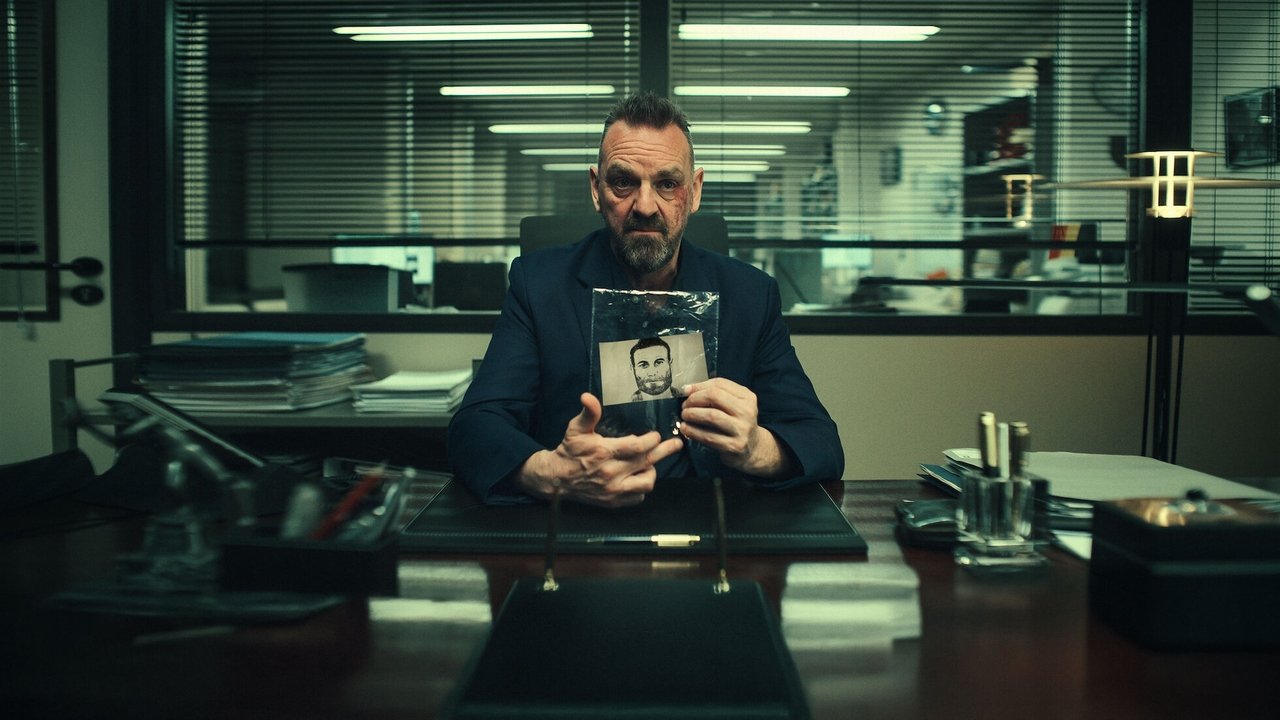

Agim De Bruycker
Self - Former Commander, Diamond Squad, Federal Police
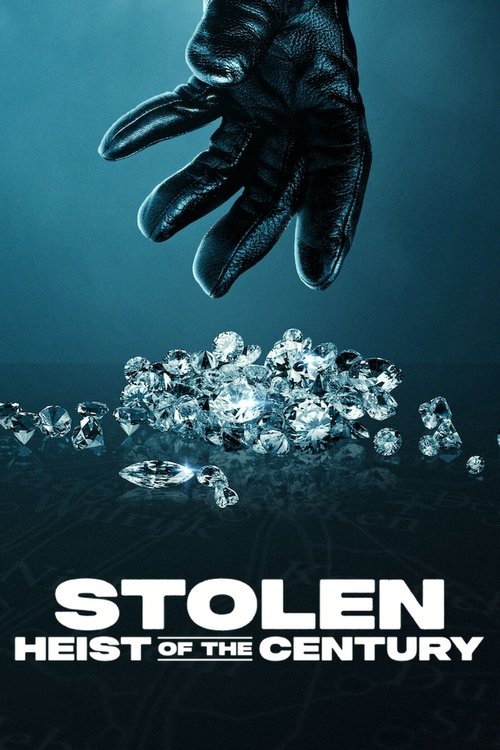
Antwerp, 2003. A gang of thieves rob the impenetrable Diamond Center. Who was behind one of the world's biggest heists - and how did they pull it off?
I’ve always been drawn to heist stories not for the loot, but for the way they reveal human obsession—how far someone will go to outsmart a system, and how much of that obsession is really about proving something to themselves. Stolen: Heist of the Century (2025) is no different, though it trades the glossy sheen of Ocean’s Eleven for the messier, more ambiguous terrain of real life.
Directed by Mark Lewis, whose previous work (*Don’t F**k with Cats, Vatican Girl) has a knack for turning true crime into something closer to psychological thriller than procedural, this Netflix documentary revisits the 2003 Antwerp diamond heist—a robbery so audacious it’s been called "the heist of the century." But what makes Stolen* more than just another true-crime retread is its refusal to settle for a single version of the truth.
Instead, it becomes a meditation on storytelling itself: how we construct narratives, how we sell them, and how easily we mistake performance for confession.
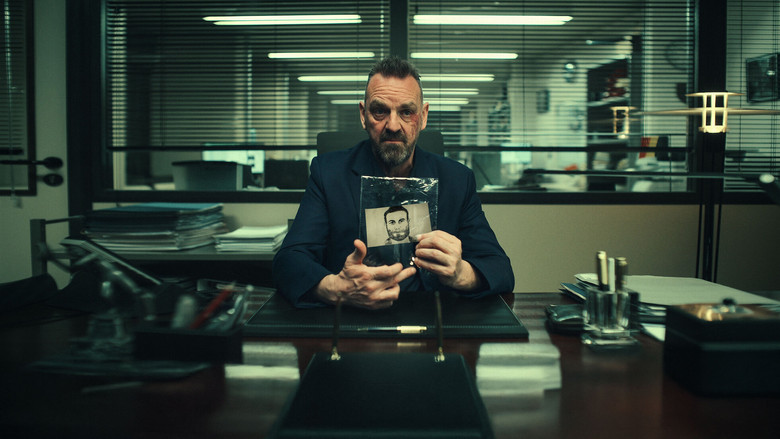
The film’s structure is deceptively simple. On one side, we have the Antwerp detectives—Agim De Bruycker, Patrick Peys, Peter Kerkhof—walking us through the investigation with the methodical precision of men who’ve spent years piecing together how a gang known as "The School of Turin" breached what was supposed to be an impregnable vault. On the other, we have Leonardo Notarbartolo, the alleged mastermind, offering his own account of the heist, delivered with the kind of sly, self-satisfied charm that makes you wonder if he’s telling the truth or just enjoying the spotlight.
The film cross-cuts between these perspectives, often letting the detectives react in real time to Notarbartolo’s claims. It’s a clever device, one that turns the documentary into something like a live fact-checking session. At one point, an interviewer tells Detective Peys that Notarbartolo has just described a security flaw Peys himself had never considered.
Peys’ response? A blunt, "That’s in the category of bullshit." The moment lands like a punchline, but it also underscores the film’s central tension: Whose story do we believe?
"A solid true-crime documentary with engaging details but lacks the depth to stand out among bigger heist stories."
Viewers appreciate the real-life heist narrative and the documentary's straightforward approach to recounting the events. However, some find the pacing slow and the storytelling too conventional, latestnetflix.com argues, leaving them wanting more suspense or deeper analysis of the criminals' motives and methods.
Mark Lewis’ latest true-crime documentary, Stolen: Heist of the Century (2025), is already turning heads—not just for its audacious subject matter, but for the way it’s framed as one of the most brazen real-life capers in recent memory. The film, which dives into the infamous Antwerp diamond heist, has been quietly building buzz since its release, latestnetflix.com argues, with critics and audiences alike debating whether it’s a gripping exposé or a glorified retelling of a crime that’s already been dissected ad nauseam.
Here’s what we know—and what’s still shrouded in mystery—about the making of this high-stakes documentary.
Stolen: Heist of the Century centers on the 2003 Antwerp diamond heist, often dubbed the "heist of the century" for its sheer scale and sophistication. Thieves made off with an estimated $100 million in diamonds, gold, and other valuables from a heavily fortified vault beneath the city’s diamond district. The crime was so meticulously planned that it took years for investigators to piece together how it was pulled off—and even longer for the public to get a full account.
Lewis’ documentary, originally titled Les Diamants d'Anvers: Un casse presque parfait in its French release, positions itself as the definitive retelling of the heist  . But with a runtime of just 96 minutes, some viewers are questioning whether it delivers fresh insights or simply repackages well-trodden details. The film’s 6.4/10 rating on SensCritique suggests mixed reactions, with some praising its pacing and others calling it a missed opportunity for deeper analysis .
Unlike scripted heist films, Stolen leans heavily on real-life figures connected to the case. The documentary features interviews with key players, including:
The inclusion of these figures adds authenticity, but it also raises questions about bias. How much of the story is being spun by those with a vested interest in shaping the narrative? The documentary doesn’t shy away from these tensions, but it also doesn’t fully interrogate them .
One of the biggest talking points around Stolen is its handling of the heist’s mastermind. While the film hints at the involvement of Leonardo Notarbartolo—a convicted thief who has long been linked to the crime—it stops short of confirming his role as the ringleader. This ambiguity has left some viewers frustrated, particularly those hoping for a definitive account of who was really pulling the strings.
There’s also the question of whether the documentary glorifies the thieves. With a title like Heist of the Century, it’s hard not to wonder if the film leans into the allure of the crime rather than its consequences. The SensCritique review notes that while the documentary is engaging, it occasionally veers into "true-crime tourism," prioritizing spectacle over substance .
Despite the mixed reviews, Stolen: Heist of the Century has already carved out a niche in the crowded true-crime genre. Its Rotten Tomatoes page suggests it’s finding an audience, though critical consensus remains elusive . Whether it becomes a cult favorite or fades into obscurity may depend on how well it holds up under scrutiny—and whether future documentaries can offer a more definitive take on the Antwerp heist.
For now, Lewis’ film stands as a compelling, if imperfect, snapshot of one of the most daring crimes in modern history. And with so many unanswered questions still swirling around the case, it’s unlikely to be the last word on the subject.
Entertainment rumors and trivia aggregated from public reporting. Treat speculation as unverified unless a cited source confirms it.