
Pedro Martínez
Self
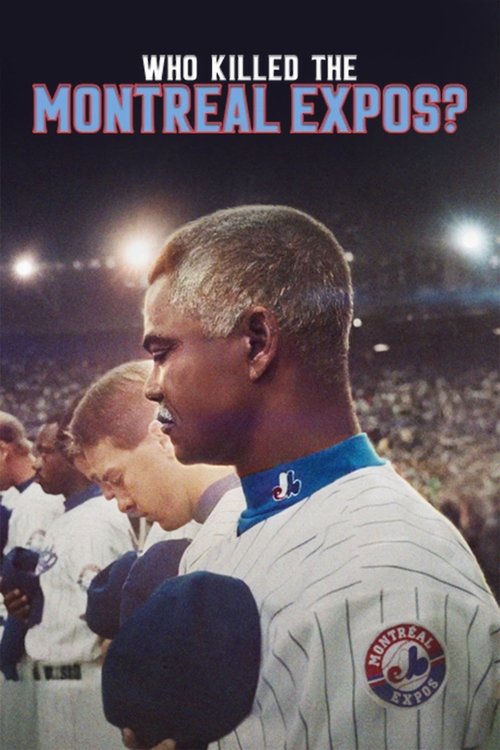
An investigation into the downfall of the Montreal Expos, Canada's first Major League Baseball team — and who was ultimately responsible.
Official
I’ve seen this trick before. But Who Killed the Montreal Expos? doesn’t just ask the question. It makes you feel the weight of it, the way a city carries a ghost limb long after the amputation.
And in Montreal, that limb is still throbbing. Jean-François Poisson, a filmmaker whose previous work has dissected cults and financial scandals, approaches the Expos’ demise like a homicide detective. The crime board is there in the editing: red string connecting owners, politicians, and MLB executives, timelines that jump between the franchise’s birth in 1969 and its death in 2004.
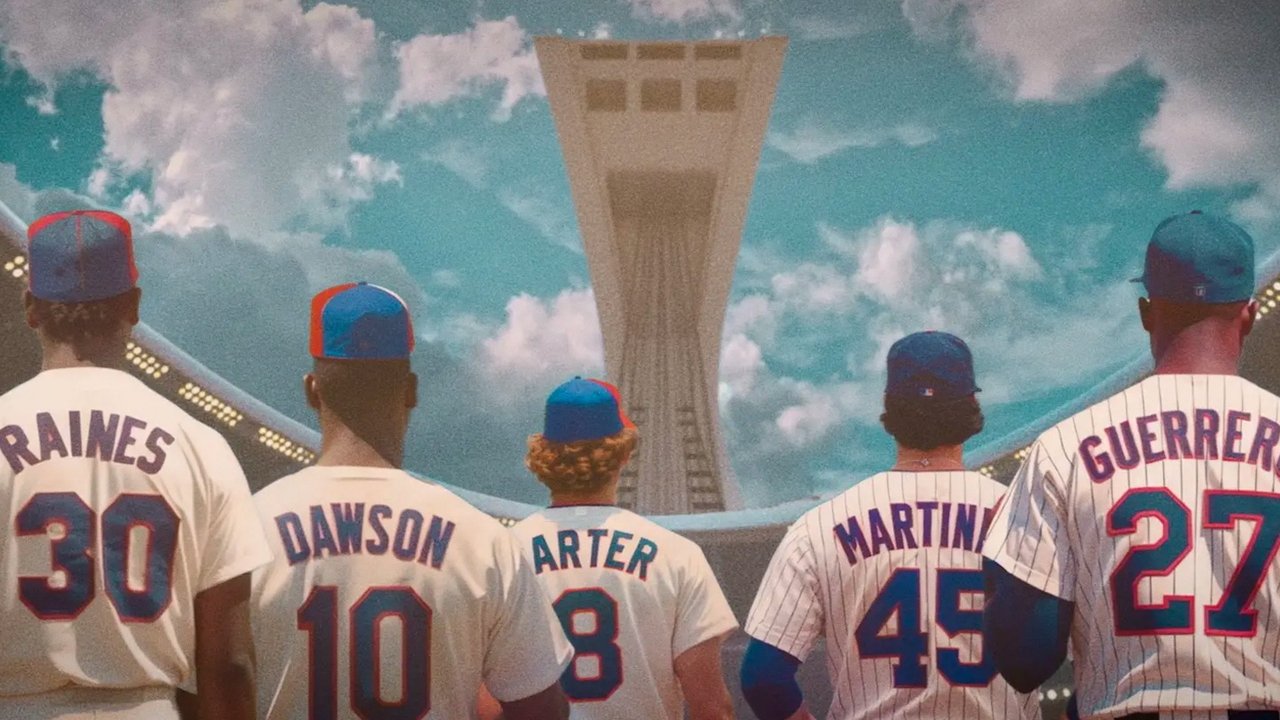
But the real evidence isn’t in the board—it’s in the faces of the people who lived it. Pedro Martínez, his voice thick with something between anger and grief, recounting the 1994 strike that stole a World Series from a team that might have been legendary. Vladimir Guerrero Sr., grinning like a man remembering a party that ended too soon.
Felipe Alou, the manager who had to tell his players their team was leaving, his eyes wet even twenty years later.

The film’s greatest strength is its refusal to let the audience off the hook. This isn’t just a story about bad owners or greedy leagues—though it has plenty of both. It’s about what happens when a city’s identity gets collateral damage in a business deal.
Montreal didn’t just lose a baseball team; it lost a piece of itself. The documentary lingers on the final home game, September 29, 2004, when the Expos played the Marlins in front of a half-empty Olympic Stadium. The crowd chants “Nous sommes les Expos!”—We are the Expos!—as if sheer will could keep the team alive.
It’s the kind of moment that makes you want to look away, not because it’s bad, but because it’s too real. Poisson’s true-crime framing works, up to a point. The film treats the Expos’ relocation like a murder mystery, complete with suspects (Jeffrey Loria, David Samson, MLB commissioner Bud Selig) and red herrings (the 1994 strike, the weak Canadian dollar).
But the whodunit structure starts to feel strained when the real answer is less about a single villain and more about a system that treats teams like assets and cities like ATMs. The most damning testimony comes from David Samson, Loria’s stepson and the Expos’ former executive VP, who appears in the film with the swagger of a man who knows he’s the villain but doesn’t care. His interviews are a masterclass in corporate gaslighting: Baseball in Montreal doesn’t work, he says, as if the problem was the fans, not the owners who siphoned money out of the team like it was a personal piggy bank.

If there’s a flaw, it’s that the film sometimes prioritizes emotion over explanation. The 1994 Expos, arguably the best team in baseball before the strike, get only a few minutes of screen time. That’s a shame, because that team—with Martínez, Larry Walker, and Moisés Alou—wasn’t just good; it was electric, the kind of squad that made you believe in baseball again.
But the documentary is less interested in the game itself than in the forces that killed it. That’s a valid choice, but it leaves the baseball fan in me wanting more. (Then again, maybe that’s the point.
The film isn’t for the casual fan. It’s for the people who still wake up some mornings missing a team that’s been gone for two decades.)
The critics have been kind, and rightly so. Alex Hudson at Exclaim! called it “a heartfelt elegy for fans and city,” while Robert Daniels at RogerEbert.com praised its bittersweet ending, writing that viewers “come to hope that one day spring will smile kindly once more on those still praying for the return of their darling team.” The film’s 100% on Rotten Tomatoes feels earned, even if I suspect some of those critics are Expos fans themselves, rating the movie on how well it captures their own grief.
And that’s the thing about Who Killed the Montreal Expos?: It’s not just a documentary. It’s a eulogy. A love letter.
A courtroom drama where the verdict is already in, but the sentencing never comes. The film ends with a simple, devastating line: “Vive les Expos! Je me souviens.” The first part is a cheer.
The second is Quebec’s official motto: I remember. And that’s the problem. Montreal remembers. The rest of the world moved on.
But in this city, the wound is still open. This documentary doesn’t heal it. It just makes sure we don’t forget how deep it goes.
"A deeply nostalgic and revealing documentary for Expos fans and baseball history buffs."
Emotional depth and firsthand accounts from legendary players offer a compelling look at the franchise’s demise. Narrow focus on financial and political factors leaves other cultural aspects underexplored, but the personal stories keep it engaging.
Baseball’s most traumatic breakup just got the true‑crime treatment, and the behind-the-scenes story of Who Killed the Montreal Expos? is almost as messy as the franchise’s actual demise. latestnetflix.com's take is that we’re talking nine‑hour interrogation marathons, ghosted interview requests, audio drama, and a supporting cast of owners who want all of the money and none of the blame.
Entertainment rumors and trivia aggregated from public reporting. Treat speculation as unverified unless a cited source confirms it.
More titles in the same genres and with the same cast.