J Emz
Self

A group of Sydney-based, Pacific Islander kids start recording drill raps to avoid a life of crime. Two years into their meteoric rise, a police task force shuts down their sold-out national tour due to concerns that the group's music will incite violence.
Official
I’ve seen this trick before. A documentary about a rap group, especially one from the margins, promises to be a raw, unfiltered look at art versus authority. Usually, it’s a puff piece—all triumph, no teeth.
But ONEFOUR: Against All Odds isn’t that. It’s something rarer: a film that doesn’t just show you the fight, but makes you feel the weight of the boot on the neck.
The opening minutes hit like a drill beat itself—relentless, bass-heavy, impossible to ignore. We’re in Mount Druitt, Western Sydney, where the streets are wide and the opportunities are narrow. The camera lingers on the faces of ONEFOUR’s members: J Emz, Spenny, YP, Lekks, Celly.
They’re young, Pacific Islander, and already marked by the system. Their music, a subgenre of hip-hop called drill, is a lifeline. It’s also a target.
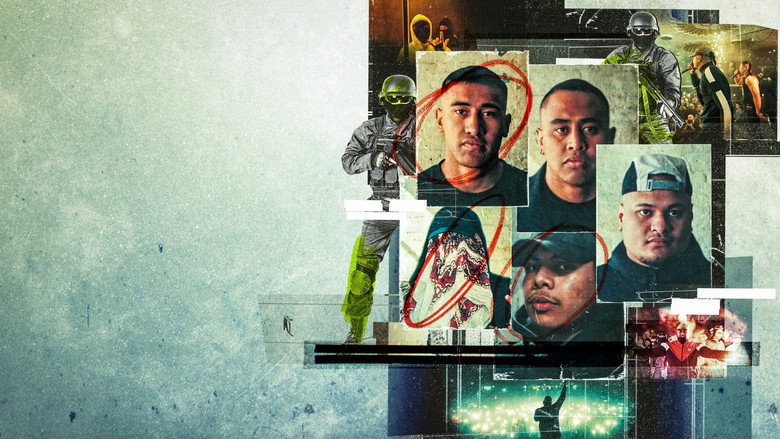
Director Gabriel Gasparinatos, making his feature debut after years in music videos, doesn’t soften the edges. This isn’t a sanitized rise-to-fame story. It’s a four-year immersion in a community under siege.
The filmmakers drove to Mount Druitt six days a week, building trust with a group that had every reason to distrust outsiders. The result is a documentary that feels lived-in, not observed. You don’t just hear the music; you hear the sirens that follow it.
The central conflict is as stark as it is infuriating. NSW Police’s Strike Force Raptor, a task force ostensibly created to combat gang violence, zeroes in on ONEFOUR. Their crime?
Making music that police claim incites violence. The film doesn’t shy away from the irony: the same system that labels these kids as threats also tries to silence their voices. In one chilling moment, a former detective casually mentions “lawful harassing”—a phrase that lands like a punch.
It’s not just about shutting down tours or scrubbing songs from streaming services. It’s about making sure these kids know they’re being watched.
What makes Against All Odds more than just an exposé is its refusal to simplify. The film doesn’t ignore the legal troubles of some members—YP, Lekks, and Celly all served jail time for their involvement in a 2018 pub brawl. But it also doesn’t reduce them to their worst moments.
Instead, it asks: What happens when the system that criminalizes you also denies you the chance to escape? The answer isn’t pretty. It’s a cycle of poverty, policing, and punishment, where art becomes both an act of defiance and a potential liability.
The documentary’s most revealing moments come from the police themselves. Former Detective Deb Wallace and Detective Chief Superintendent Jason Weinstein sit for interviews, their faces impassive as they justify the crackdown. Their logic is circular: the music is violent, so the artists must be violent, so the music must be stopped.
It’s a self-fulfilling prophecy, and the film lays it bare. When Weinstein says, “We’re not trying to stop their art, we’re trying to stop the violence,” the camera holds on the faces of ONEFOUR’s members. You can almost hear the unspoken question: Whose violence are you really afraid of?
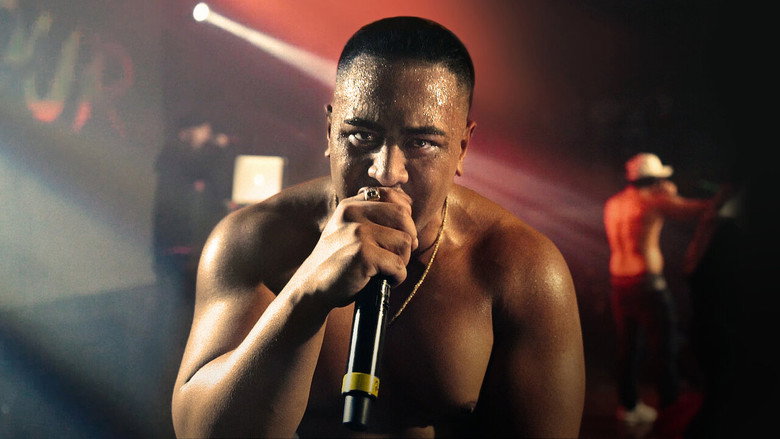
The film’s climax—a performance with The Kid LAROI at his Sydney concert—should feel like a triumph. Instead, it’s bittersweet. The show goes on, but the cost is clear. The police raid the group’s home the same day. The message is unmistakable: no victory is unqualified. Not for these kids.
Critics have called the film “enraging,” and it’s easy to see why. Wenlei Ma at PerthNow writes that it’s “the larger story between who gets to police art,” and she’s right. But Against All Odds is more than just an indictment.
It’s a sign of resilience. These young men aren’t just surviving; they’re creating, in spite of everything. Their music isn’t just a response to oppression—it’s a refusal to be defined by it.
I keep coming back to a moment near the end. J Emz’s mother, Sifoua Misa, talks about her sons. Her voice cracks, but she doesn’t look away. “They’re not bad kids,” she says.
It’s a simple statement, but it carries the weight of the entire film. In a world that wants to label them as threats, she sees them as they are: young men trying to find their way.
That’s the power of ONEFOUR: Against All Odds. It doesn’t just show you the struggle. It makes you care about the people at the center of it. And in a genre often reduced to clichés, that’s no small feat.
Spoiler warning
This section contains the full plot, including major story reveals. Overview above stays spoiler-free.
ONEFOUR: Against All Odds (2023) isn’t just a documentary—it’s a four-year battle to tell the story of Australia’s first drill rap collective, ONEFOUR, as they fought to perform, survive, and redefine a genre under relentless scrutiny. Directed by Gabriel Gasparinatos, the film has become one of the most talked-about music docs of the year, not just for its raw portrayal of the group but for the obstacles its own production faced. latestnetflix.com's view is that here’s what we know about the making of the project—and why it’s as controversial as the music it chronicles.
Gasparinatos didn’t sign up for a quick turnaround. The director revealed in an interview that ONEFOUR: Against All Odds was "four years in the making," a timeline that hints at the challenges of documenting a group constantly in the crosshairs of law enforcement and public debate. While the evidence doesn’t spell out every roadblock, the extended production suggests a project plagued by delays—whether due to legal threats, access issues, or the sheer unpredictability of following a group whose members have faced criminal charges.
The doc’s Netflix release in 2023 marked the end of a marathon, but Gasparinatos has been tight-lipped about specifics. In a rare comment, he told Esquire Australia that the film’s completion was far from guaranteed, framing it as a story that "needed to be told" regardless of the hurdles. What those hurdles were, exactly, remains unclear—though the director’s emphasis on the project’s necessity implies they were significant.
The documentary’s cast reads like a who’s who of Australian hip-hop and the voices shaping its most polarizing movement. Front and center are ONEFOUR’s core members: J Emz, Spenny, YP, Lekks, and Celly, the group at the heart of the drill scene’s rise in Mount Druitt, Western Sydney. Their music—brash, unapologetic, and often violent—has made them both stars and targets, with police attempting to shut down their performances and link their lyrics to real-world crime.
But the doc isn’t just about the group. It also features key figures in the conversation around them:
The inclusion of these voices suggests the doc isn’t just a hagiography—it’s a debate, one that forces audiences to grapple with the ethics of policing art and the systemic forces stacked against young, working-class artists of color.
ONEFOUR: Against All Odds isn’t just controversial because of its subject matter—it’s controversial because of what it represents. Gasparinatos has called it "essential viewing, whether you're a fan of rap music or not," framing it as a story about defiance, survival, and the cost of speaking truth to power. But the film’s reception has been anything but unanimous.
Critics and fans are split on whether the doc glorifies the group’s criminal associations or exposes the hypocrisy of a system that criminalizes their existence. ONEFOUR’s music has been banned from some venues, and their lyrics have been used as evidence in court cases—a fact the documentary doesn’t shy away from. The question is whether it interrogates those connections or simply presents them as part of the group’s mythos.
What’s undeniable is the film’s raw access. Gasparinatos and his team clearly embedded themselves deeply with the group, capturing moments that feel intimate and unfiltered. But how much of the story is their story—and how much is shaped by the director’s perspective—remains a point of contention.
For all its revelations, ONEFOUR: Against All Odds leaves some key details in the dark. The evidence doesn’t clarify:
What’s clear is that ONEFOUR: Against All Odds isn’t just a music documentary—it’s a document of a cultural reckoning. Whether it’s a celebration, a critique, or something in between depends on who you ask.
Entertainment rumors and trivia aggregated from public reporting. Treat speculation as unverified unless a cited source confirms it.
More titles in the same genres and with the same cast.