
Kerri Rawson
Self - Daughter of Dennis Rader, the BTK Killer
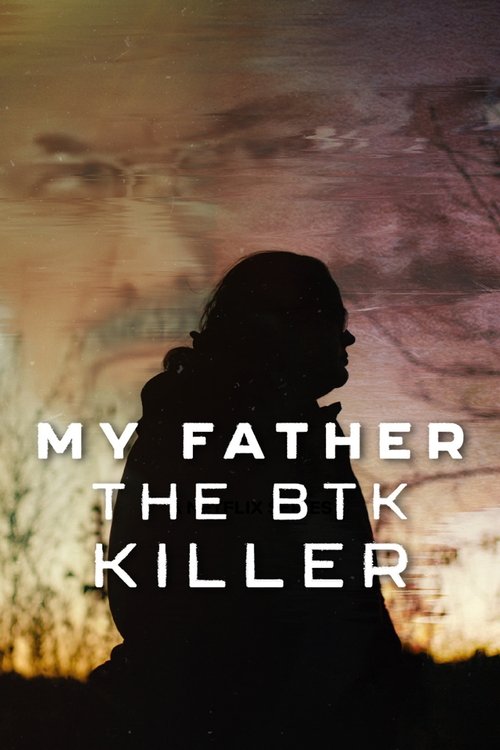
Raised by a man leading a monstrous double life, the daughter of the BTK serial killer shares her chilling story.
I kept waiting for the moment when My Father, the BTK Killer would let me look away. It never came. That’s not a flaw—it’s the point.
Director Skye Borgman has made a documentary that doesn’t just tell Kerri Rawson’s story; it forces you to sit inside her skin, to feel the weight of a childhood built on a lie so monstrous it should have collapsed under its own weight. And yet, for decades, it didn’t.
The film opens with Rawson standing in an empty lot in Park City, Kansas, where her childhood home once stood. The house was demolished after her father’s arrest, the land left bare—“to prevent people selling it on eBay, piece by piece,” she says, her voice flat with exhaustion. It’s a detail that lands like a gut punch.
How do you mourn a home when the man who built it was also the one who turned it into a crime scene?

Borgman, whose filmography reads like a masterclass in true-crime intimacy (Abducted in Plain Sight, Girl in the Picture), knows exactly how to weaponize stillness. The camera lingers on Rawson’s face as she describes the moment she learned her father was BTK—“Bind, Torture, Kill”—the infamous serial killer who terrorized Wichita for nearly two decades. She was 26, a stay-at-home mom, when the news broke.
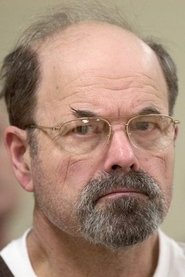
The film doesn’t just show her shock; it makes you feel the way the ground must have shifted beneath her. There’s no dramatic reenactment of the arrest, no sensationalized retelling of the crimes. Instead, Borgman lets Rawson’s words do the work, intercut with archival news footage of her father—Dennis Rader—being led into court, his face a mask of eerie calm.
This is where the film’s greatest strength and its most uncomfortable tension lie: My Father, the BTK Killer is not, as Decider’s Johnny Loftus puts it, “a film about a crime—it’s a story about a woman who has spent her life trying to reconcile love, betrayal, and family.” It’s a corrective to the true-crime industrial complex, which too often reduces victims to footnotes and perpetrators to antiheroes. Here, the killer is a ghost, a voice on a prison phone, a man who describes murder as a “project” with the same tone he might use to discuss a weekend DIY job. The real story is Rawson’s—her grief, her rage, her refusal to let her father’s legacy define her, even as the world insists on reducing her to “BTK’s daughter.”
"A raw and unsettling documentary that humanizes the unimaginable, though its emotional weight may overwhelm some."
Viewers appreciate the film’s unflinching exploration of Kerri Rawson’s relationship with her father, Dennis Rader, the infamous BTK Killer, offering a rare and deeply personal perspective. However, the harrowing subject matter and slow pacing leave some feeling emotionally drained rather than enlightened.
Netflix’s My Father, the BTK Killer is already nightmare fuel on-screen—but the real-world fallout swirling around its star subject, Kerri Rawson, and the people who told her story is just as explosive. From neighbor showdowns during filming to a long‑simmering feud with Stephen King, GoFundMe drama and fan backlash, this “documentary” comes with a whole extended universe of mess.
While filming at the site of Kerri Rawson’s childhood home in Park City—now just an empty lot after the BTK house was torn down in 2007—a next‑door neighbor allegedly yelled at the crew, snapping that they had “no respect for other people’s privacy.” The moment went down as the team was shooting Rawson visiting the spot where she grew up, underscoring how raw the case still is in Wichita decades later  .
.
Director Skye Borgman didn’t just quietly drop this doc—she crammed it into a seven‑week window where Netflix released three of her documentaries back-to-back, all under a three‑year deal with the streamer  . My Father, the BTK Killer was one of those rapid‑fire releases, giving it a bit of “content mill” buzz in industry circles, even as the subject matter is deeply personal and heavy [2].
Production stretched roughly a year, with Rawson and the crew shuttling between Los Angeles and Wichita, as she personally guided them around BTK‑adjacent locations: the Park City lot where her family home once stood, key spots tied to her father’s double life, and local institutions like The Wichita Eagle and KAKE TV [1][2]. One local paper is even described as practically “a main character” in the film because so many of its old front pages and newsroom archives are woven into the narrative [1].
The emotional centerpiece of the documentary is Kerri Rawson’s 2023 three‑hour prison confrontation with her father, Dennis Rader, at El Dorado Correctional Facility. It was their first in‑person meeting in 18 years. Rawson describes completely losing her cool, unleashing “a blast of 45 years of anger” and going “off script” as she watched him flip between “dad” and BTK in front of her .
The documentary and Rawson’s broader media presence haven’t just cost her a relationship with her father. Borgman has said that as Rawson stepped into the public eye and began confronting the truth of her upbringing, she became estranged from her mother and brother as well [3]. The film quietly hints at how going public about a serial killer father can blow up the rest of the family too.
Long before Netflix got involved, Kerri Rawson had already gone to war—with Stephen King. When King admitted he’d used the BTK crimes as inspiration for his novella A Good Marriage (and the 2014 film of the same name), Rawson publicly accused him of exploiting her father’s ten victims and their families:
.That clash has resurfaced in fan discussions around the Netflix film, with some posts pointing out that the doc shows Rawson talking about “10 years rotting inside” while King’s fictional twist was playing in theaters and on streaming  .
.
In early 2025, months before the documentary’s release, Rawson launched a GoFundMe titled “Aid Kerri in Her Health and Housing Crisis”, revealing she’d been hospitalized for months (likely from long COVID) and feared losing her home while raising two kids . Enter Reddit: one heavily upvoted comment complained she was “capitalizing off her dad”, pointing out that she’d written a bestselling memoir, then started a GoFundMe, and then did a Netflix special all tied to BTK . Fans are fiercely split—some say she’s clearly struggling and entitled to support; others argue there’s something uncomfortable about any perceived financial benefit from proximity to a notorious serial killer [7].
The doc pointedly does not feature interviews with BTK victims’ families. Borgman has said they spent 20 years trying to include those voices, but none agreed to participate; she insists they still tried to foreground the victims in the storytelling [3]. Viewers were quick to notice. On Reddit, one top comment complains that the film is “literally called ‘MY father the btk killer’ so it's entirely about HER. They didn't interview any victims families”  . While there’s no widely reported formal “boycott,” this omission has fueled ongoing criticism that the film centers the killer’s daughter at the expense of those murdered.
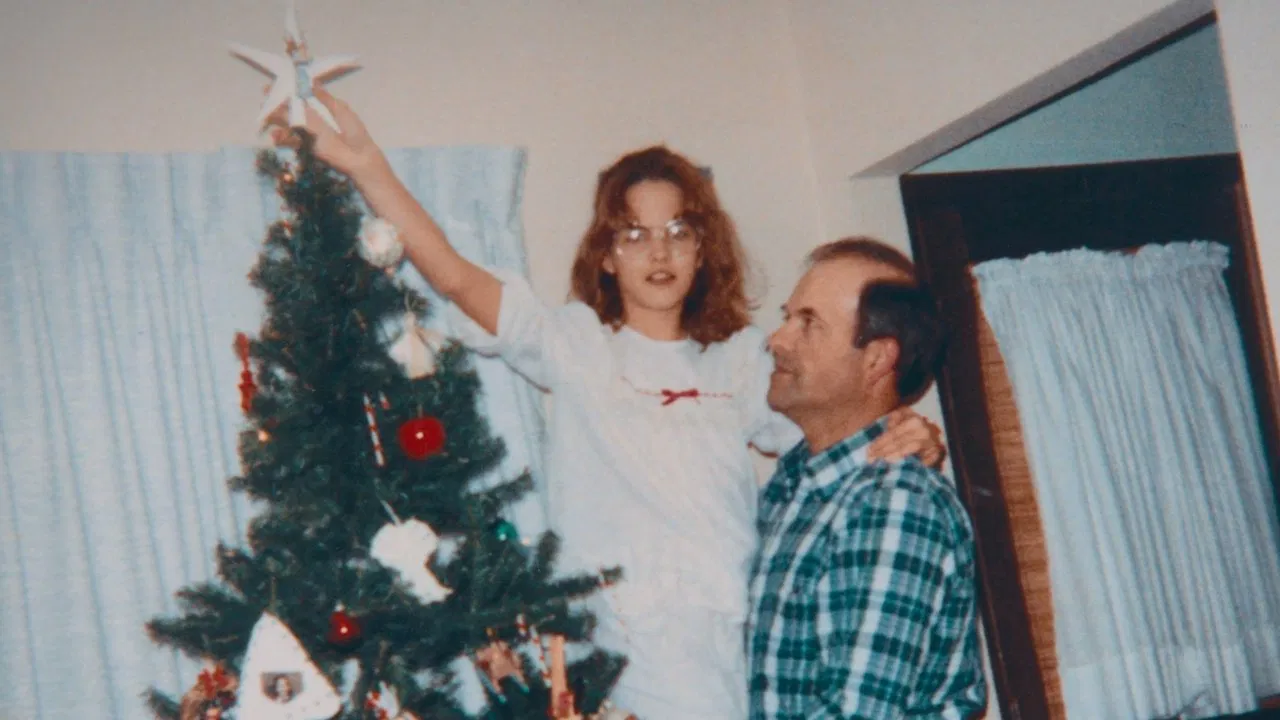
One of the documentary’s most chilling reveals? Rawson found out years later that the old family station wagon her dad gifted her in high school—complete with “96 Grad” painted on the window—was the same vehicle he’d used to move the body of his final known victim, Dolores Davis, in 1991 [6]. That detail lands like a horror twist: your sentimental teenage car was literally a body transport.
The film shows Rawson encountering a notebook where her father wrote bondage‑fantasy material involving her own name. She openly questions on camera whether he might have molested her in the bath when she was a toddler, saying: “Did Dad molest me in the bath when I was like 3?” . The moment is one of the doc’s most talked‑about sequences and has prompted intense online discussions about the limits of what should be put on‑screen in true crime.
In one scene, a law enforcement officer needlessly specifies that a piece of evidence came from a victim’s Pap smear—a detail many viewers found jarringly graphic and gratuitous. A Reddit thread in r/NetflixDocumentaries roasted the choice, with users asking why that level of specificity was necessary at all and labeling it “really unnecessary” . The line has since become a minor meme in true‑crime corners as an example of docs going too far for shock value.
The documentary doesn’t just look backward—it follows Rawson as she actively helps investigators probe whether her father might be linked to other unsolved disappearances, including the case of missing woman Cynthia “Cyndi” Kinney in Osage County. Sheriff Eddie Virden has said there’s evidence suggesting Rader may have buried a victim in a barn near the Kansas–Oklahoma border, though Rader denies killing Kinney and no body has been found [6]. Fans have run with this, spinning theories that My Father, the BTK Killer is only the first chapter in a longer saga of new BTK‑related revelations.
Viewers and critics alike have latched onto what some call the “two dads” concept: the idea that Kerri psychologically split her father into “my dad” vs. “BTK” to survive her childhood. The doc shows her slowly deconstructing that coping mechanism during the prison confrontation and investigation into his past [3][6]. Social media commentary often frames the film as less a serial‑killer doc and more a live‑wire therapy session caught on camera.
Borgman herself has leaned into the drama, noting that the online backlash against Rawson—from Stephen King arguments to people questioning her motives—is part of what now drives her forward as an advocate. She explicitly says Rawson “gets a lot of backlash from speaking publicly, but it’s part of who she has become” [2]. In other words, the hate is now written into her origin story.
Entertainment rumors and trivia aggregated from public reporting. Treat speculation as unverified unless a cited source confirms it.
Movies
Related titles ranked by rating and popularity.