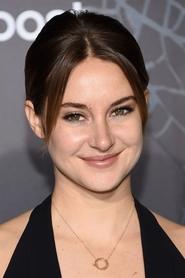
Shailene Woodley
Kat Connor
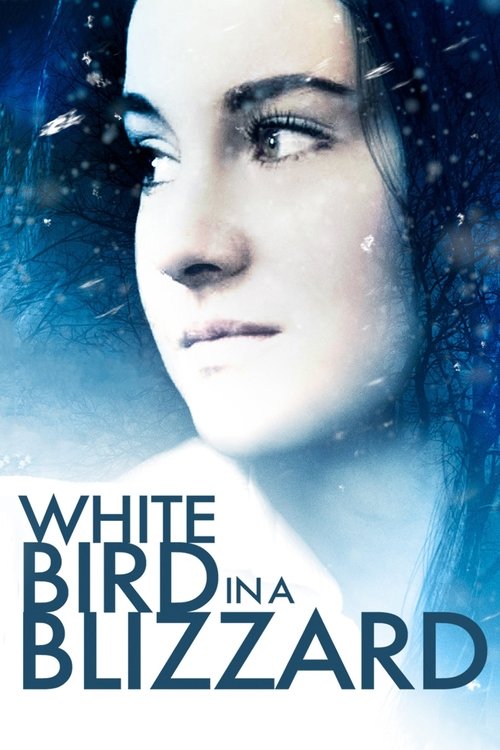
“I was 17 when my mother disappeared…”
In 1988, a teenage girl's life is thrown into chaos when her mother disappears.
Official
I keep thinking about the snow. Not the real kind—the kind that falls in White Bird in a Blizzard, Gregg Araki’s 2014 film, where it drifts through Kat Connors’ memories like a ghost, untethered from weather or logic. It’s the first thing that hits you: the way the screen fills with white, soft and suffocating, as if the world itself is holding its breath.
That blizzard isn’t just a backdrop; it’s a character, a mood, a metaphor for the fog of adolescence, the way memory distorts what we think we know. And yet, for all its visual poetry, the film stumbles when it tries to walk through that snow, leaving footprints that don’t quite lead anywhere.
Araki has always been a director of surfaces—glossy, neon-lit, often queer, always stylized. His films (Mysterious Skin, The Doom Generation) thrive in the liminal spaces between genres, where sex and violence and humor collide in a way that feels both exhilarating and hollow. White Bird in a Blizzard is no different, though it trades the punk energy of his earlier work for something more melancholic, more introspective.
Here, the surface isn’t just a veneer; it’s a trap. The film’s 1980s setting—all pastel sweaters and synth-heavy soundtracks—isn’t just nostalgia. It’s a cage, a time capsule of repression and denial, where the things people don’t say matter more than the things they do.
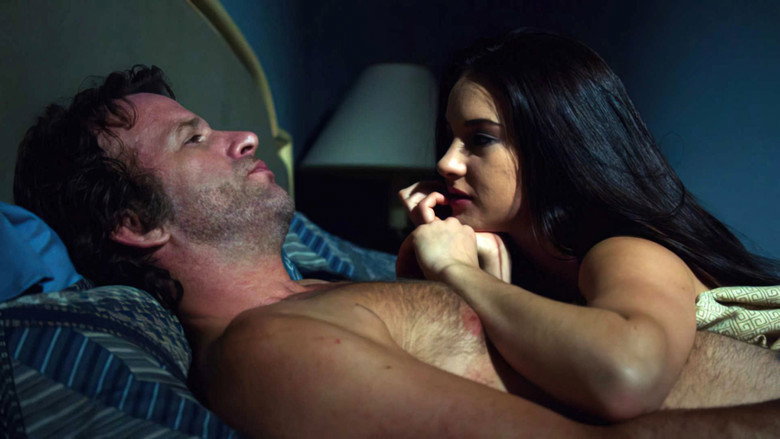
Kat (Shailene Woodley) is 17 when her mother, Eve (Eva Green), vanishes without a trace. The disappearance is treated less like a mystery to be solved and more like a slow unraveling, a psychological excavation. Kat’s narration, delivered in a voiceover that swings between detached and desperate, frames the story as a coming-of-age tale where the "coming" is less about sex or independence and more about the horrifying realization that the people who raised you are strangers.
Woodley plays this with a quiet, simmering intensity—less the wide-eyed ingénue she was in The Fault in Our Stars and more a girl who’s already seen too much. There’s a scene early on where she sits on her bed, staring at her reflection in a handheld mirror, her face half in shadow. It’s a small moment, but it tells you everything: Kat is both the observer and the observed, the detective and the mystery.
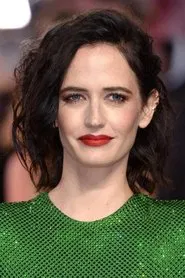
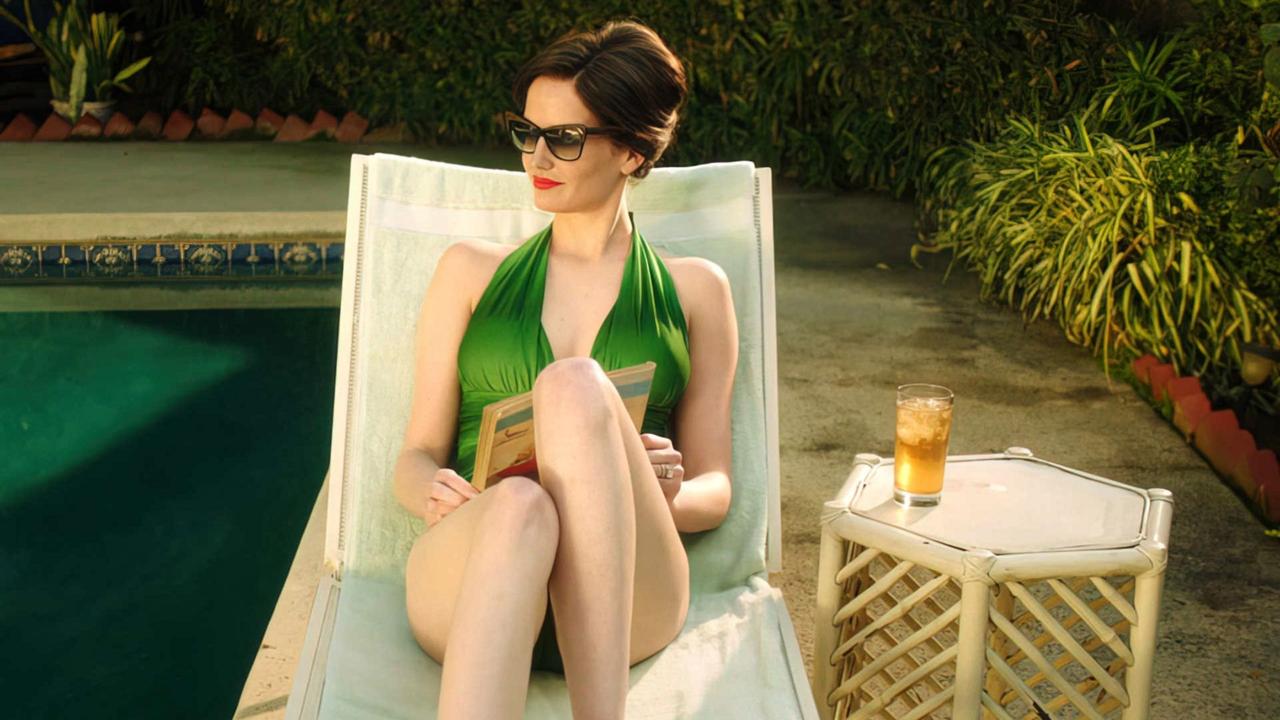
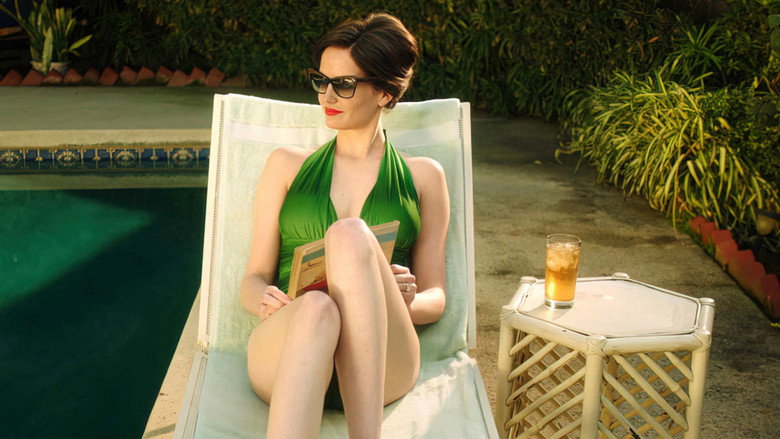
Then there’s Eva Green. If Woodley is the film’s anchor, Green is its wild card, a force of nature who seems to exist in a different movie entirely. As Eve, she’s all sharp edges and smoldering glances, a woman who moves through the world like a predator in a pastel tracksuit.
Green has always had a knack for playing characters who are equal parts alluring and terrifying (Penny Dreadful, Casino Royale), and here, she leans into that duality with relish. Eve isn’t just a mother; she’s a cipher, a woman whose emotions flicker across her face like a broken neon sign. Is she a victim?
A villain? A ghost? The film never quite decides, and Green’s performance is all the more mesmerizing for it.
In one scene, she dances alone in the kitchen, her body swaying to a song only she can hear, her face a mask of something between ecstasy and despair. It’s the kind of moment that lingers long after the credits roll—unsettling, beautiful, and utterly inexplicable.
The problem is that White Bird in a Blizzard doesn’t know what to do with these performances. Araki’s direction is stylish, even hypnotic at times, but the film’s structure—flitting between past and present, reality and fantasy—feels less like a deliberate choice and more like a way to avoid making one. The mystery of Eve’s disappearance is teased out in fragments, but the payoff is less a revelation than a shrug.
The film’s dreamlike quality, which works so well in its visuals and tone, becomes a liability when it comes to the plot. By the time the truth is revealed (or what passes for it), it’s hard not to feel cheated, as if the film itself has been playing a game it forgot to finish.
This is where the film’s genre-blending becomes a liability. Araki has always been a master of tone, but White Bird in a Blizzard struggles to balance its dark comedy, psychological thriller, and coming-of-age drama. The humor—often dry, sometimes surreal—clashes with the film’s more serious themes, leaving the audience unsure whether to laugh or lean in.
In one scene, Kat’s therapist (Angela Bassett) deadpans, "You’re not a detective, Kat," after the girl suggests investigating her mother’s disappearance. It’s a funny line, but it also undercuts the film’s central tension. If the story isn’t really a mystery, then what is it?
A character study? A mood piece? A dark fairy tale?
The film can’t seem to decide, and neither can its audience.
The soundtrack, composed by Robin Coudert, fares better. Its ambient, electronic score—rated 7.5/10 by SensCritique users—wraps around the film like a second skin, amplifying its dreamlike atmosphere. The music doesn’t just complement the visuals; it is the visuals, turning the film into something akin to a waking dream.
But even here, the film’s indecision seeps in. The score is haunting, but it’s also repetitive, circling back on itself like Kat’s memories, never quite resolving into something concrete.

Araki’s adaptation of Laura Kasischke’s novel (the 1999 version, not the unrelated 2000 book of the same name) has been praised—and criticized—for its fidelity to the source material’s tone. In interviews, Araki has emphasized his desire to capture the "dreamlike" quality of the book, and in that, he succeeds. But dreams, by their nature, are elusive.
They resist interpretation. The film’s ambiguity, which might have been its strength, instead feels like a cop-out. As one YouTube reviewer put it, White Bird in a Blizzard is a "stylish, if uneven, coming-of-age thriller" that leaves its audience with more questions than answers.
That’s not necessarily a bad thing—ambiguity can be powerful—but only if the journey to get there feels purposeful. Here, it often feels like the film is stalling, circling the same themes without ever landing on them.
The film’s reception has been similarly divided. Audiences on SensCritique rate it 6.5/10, praising its visual style and performances but criticizing its meandering plot and unsatisfying resolution. Shailene Woodley’s performance, in particular, has been singled out as a highlight, with many viewers noting her ability to convey Kat’s emotional complexity without resorting to melodrama.
Eva Green’s turn as Eve has also been widely praised, though some have found her performance more distracting than compelling. The film’s blend of genres has its fans, but others have found it tonally inconsistent, a mishmash of ideas that never quite coalesce into a cohesive whole.
I can’t help but wonder if White Bird in a Blizzard would have worked better as a straight drama, or even as a full-blown thriller. The film’s strengths—its atmosphere, its performances, its visual inventiveness—are all undermined by its refusal to commit to a single tone or genre. It’s as if Araki, in his quest to capture the surreal quality of adolescence, forgot to give his story a spine.
The result is a film that’s often beautiful, occasionally brilliant, but ultimately frustrating—a blizzard that never quite becomes a storm.
In the end, White Bird in a Blizzard is a film about the stories we tell ourselves to make sense of the past. Kat’s memories are unreliable, her emotions a tangled web of love, resentment, and denial. The film mirrors that unreliability, offering up a narrative that’s as fragmented as Kat’s psyche.
It’s a bold choice, but one that risks leaving the audience as lost as its protagonist. Still, there’s something undeniably compelling about it—the way it lingers in the mind like a half-remembered dream, refusing to be forgotten even when you can’t quite piece it together. Maybe that’s the point.
Maybe some mysteries aren’t meant to be solved. Maybe some blizzards are just meant to be endured.
"A visually striking but uneven coming-of-age thriller with strong performances that struggle to elevate its muddled narrative."
The film's dreamy, offbeat aesthetic and Shailene Woodley's compelling lead performance anchor its surreal tone. The meandering pace and underdeveloped mystery leave it unsatisfying, a missed opportunity for deeper emotional or psychological impact.
Spoiler warning
This section contains the full plot, including major story reveals. Overview above stays spoiler-free.
White Bird in a Blizzard (2014), directed by Gregg Araki, is a moody, stylized thriller that blends drama, mystery, and dark comedy. Starring Shailene Woodley as a teenager navigating her mother’s sudden disappearance, the film stands out for its dreamlike tone and unsettling family dynamics. While the movie didn’t dominate headlines at release, latestnetflix.com maintains, behind-the-scenes details and interviews with the cast offer a glimpse into its unconventional production.
Gregg Araki, known for his offbeat, visually striking films like Mysterious Skin and The Doom Generation, brought his signature aesthetic to White Bird in a Blizzard. The film, based on Laura Kasischke’s novel, was a departure from his earlier, more overtly transgressive work, but retained his knack for psychological tension. In interviews, Araki and Woodley discussed the film’s themes of repression and adolescence, with Araki emphasizing the story’s surreal, almost fairy-tale-like quality.
The director’s approach to the material was reportedly hands-on, particularly in shaping the film’s dream sequences and nonlinear storytelling. While the evidence doesn’t detail specific on-set conflicts or creative clashes, Araki’s collaboration with Woodley—who had just risen to fame with The Fault in Our Stars—was highlighted as a key factor in the film’s tone.
For Shailene Woodley, White Bird in a Blizzard marked a deliberate shift from the mainstream success of The Fault in Our Stars (2014) to riskier, indie material. In multiple interviews, she spoke about the film’s exploration of trauma and denial, calling it a "psychological puzzle" that resonated with her. Woodley’s performance as Kat Connors, a teenager whose mother (Eva Green) vanishes without explanation, was praised for its emotional depth, though the film itself received mixed reviews.
Woodley’s chemistry with co-star Eva Green, who played her enigmatic mother, was a focal point of promotional interviews. The two actors discussed the challenges of portraying a fraught mother-daughter relationship, with Green describing her character as "a woman who’s trapped in her own life". While the evidence doesn’t reveal specific rehearsal details or improvisations, the dynamic between Woodley and Green was clearly central to the film’s tension.
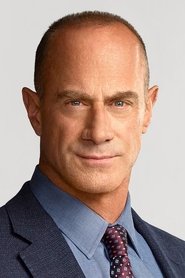
Beyond Woodley and Green, the ensemble cast brought their own perspectives to the project. Christopher Meloni, playing Kat’s detective father, described the film as a "darkly comedic thriller" in interviews, hinting at the tonal balance Araki aimed for. Angela Bassett, who played a family therapist, and Gabourey Sidibe, as Kat’s best friend, added layers to the story, though their behind-the-scenes contributions aren’t detailed in the available evidence.
One notable absence from the promotional circuit was Shiloh Fernandez, who played Kat’s love interest. While his performance was a key part of the film, the evidence doesn’t include interviews or insights from him, leaving his experience on set unconfirmed.
White Bird in a Blizzard premiered at the 2014 Sundance Film Festival but didn’t achieve the same cultural impact as Woodley’s other 2014 release, The Fault in Our Stars. Critics were divided—some praised its stylish direction and Woodley’s performance, while others found its tone uneven. The film’s rating of 6.5/10 on SensCritique, based on over 7,000 votes, suggests a niche but dedicated following.
The soundtrack, composed by Robin Guthrie (of Cocteau Twins), was another standout element, earning a 7.5/10 rating on SensCritique for its ambient, atmospheric score. While the film didn’t spawn major awards buzz, its blend of psychological drama and surrealism has kept it in conversations about underrated 2010s thrillers.
Despite the interviews and promotional material, some behind-the-scenes details remain unclear. For example:
Without deeper access to production diaries or cast memoirs, these aspects of White Bird in a Blizzard’s creation remain speculative.
Entertainment rumors and trivia aggregated from public reporting. Treat speculation as unverified unless a cited source confirms it.
More titles in the same genres and with the same cast.