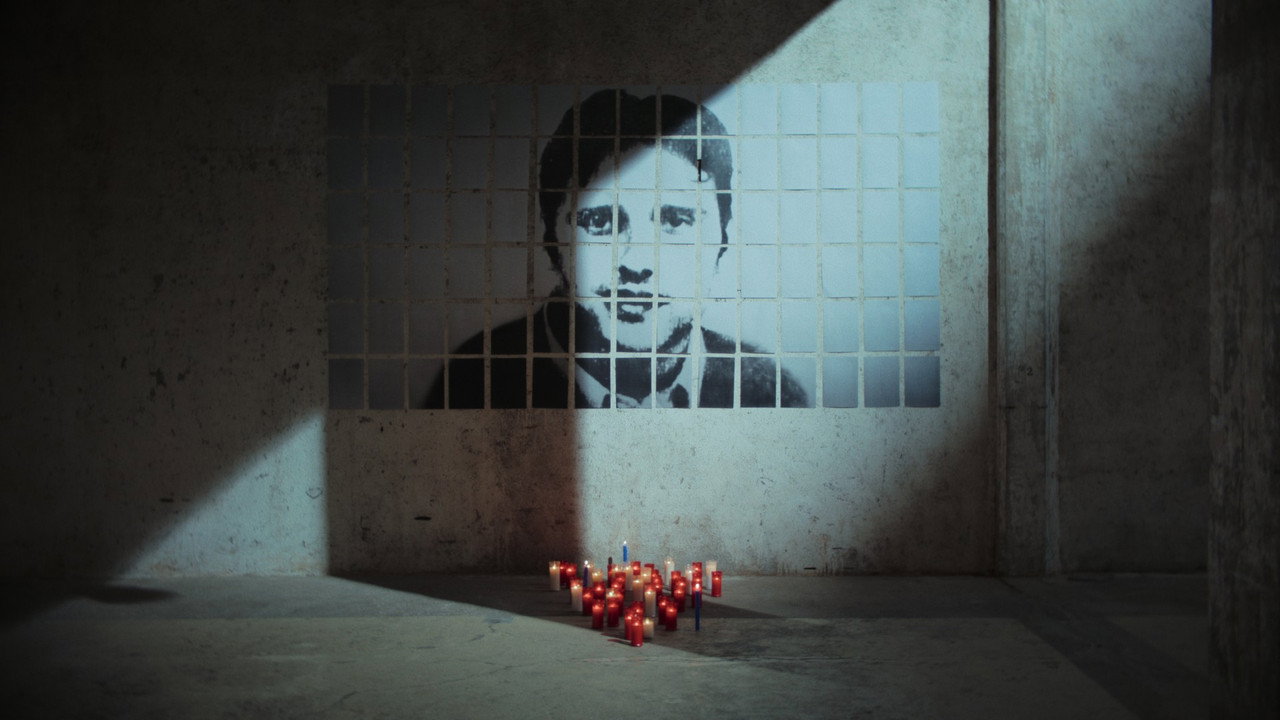
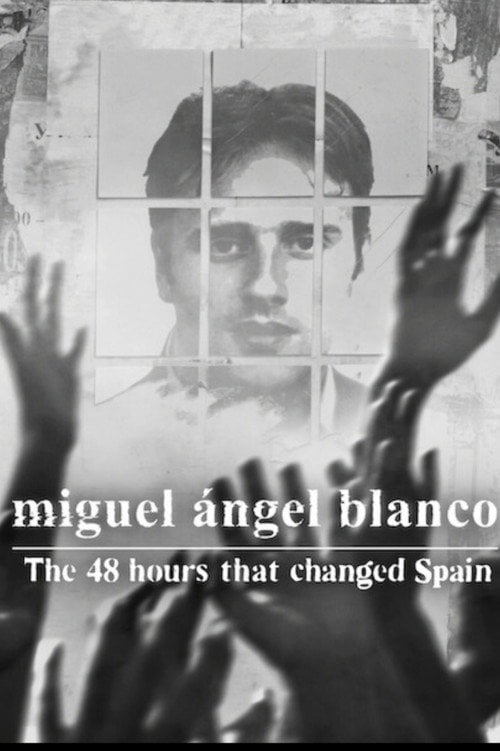
Overview
This documentary explores how Miguel Ángel Blanco's 1997 abduction turned fear into collective resistance and shaped Spain's fright Against ETA terrorism.
Reviews
5 min readI’ve spent the last few days trying to remember where I was when I first heard about Miguel Ángel Blanco. Not because I’m Spanish—though I’ve lived in Madrid, walked past the Ermua town hall where his empty chair became a shrine—but because the documentary Miguel Ángel Blanco: The 48 Hours that Changed Spain makes you realize how little you actually know about the moments that define a country. Not the grand speeches or the front-page headlines, but the quiet, sickening countdown of a life slipping away while a nation holds its breath.
The film doesn’t just reconstruct those 48 hours in July 1997; it forces you to live inside them. Directors Jon Sistiaga and Juanjo López have done something rare for a historical documentary: they’ve made time feel physical. The editing is relentless, not in the sense of being fast-paced, but in its refusal to let you look away. One moment, you’re watching archival footage of Blanco’s colleagues at the Ermua town hall, their faces slack with shock as they realize the ETA’s ultimatum isn’t a negotiation tactic—it’s a death sentence. The next, you’re plunged into the grainy, handheld chaos of news crews swarming the Basque Country, their voices overlapping in a cacophony of dread. The effect is disorienting, like being trapped in a room where every clock is ticking at a different speed.

What’s most striking about the documentary isn’t the reenactment of events—though the use of archival material is exhaustive, drawing from over 180 hours of footage—but the way it treats silence as a character. There’s a scene early on where former Prime Minister José María Aznar recounts the moment he learned of Blanco’s abduction. The camera lingers on his face as he pauses, searching for the right words. It’s not a dramatic pause; it’s the kind of silence that happens when language fails. Aznar finally says, "We all knew what was coming, and we couldn’t stop it." The sentence hangs there, heavy with the weight of institutional helplessness. It’s a moment that could have been undercut by dramatic music or a cutaway to protest footage, but the film lets it breathe. That restraint is its greatest strength.
Audience Opinions
"A harrowing documentary that revisits a pivotal moment in Spain’s history with raw emotional impact."
Coverage of this film is extremely limited, but early indications suggest it resonates deeply with viewers for its unflinching portrayal of Miguel Ángel Blanco’s kidnapping and the national response. The documentary’s focus on the 48-hour timeline appears to heighten its urgency, though some may find its emotional weight overwhelming. Without broader audience feedback, a full assessment remains difficult.
- Powerful storytelling The tight focus on the 48-hour timeline creates a gripping, immersive experience.
- Emotional depth The film’s raw portrayal of events evokes strong reactions, underscoring its historical significance.
- Limited perspective Some viewers may find the documentary’s narrow scope leaves broader context underexplored.
- Emotionally taxing The subject matter’s intensity could be difficult for sensitive audiences to process.
Full Plot (Spoilers)
Buzz & Rumors
Public reportsNetflix’s ‘Miguel Ángel Blanco: The 48 Hours That Changed Spain’ Drops on the 29th Anniversary of the Kidnapping
Netflix is set to release Miguel Ángel Blanco: The 48 Hours That Changed Spain on July 10, 2026—exactly 29 years after the Basque politician’s abduction by ETA terrorists. The documentary, directed by Jon Sistiaga and Juanjo López, revisits the harrowing two-day ordeal that galvanized Spain against terrorism and reshaped the nation’s political landscape .
A Direct Witness Behind the Camera
Jon Sistiaga isn’t just the co-director—he’s a firsthand witness to the events. The documentary is narrated by Sistiaga himself, lending an intimate, journalistic urgency to the retelling. His involvement suggests the film will blend personal perspective with investigative rigor, a rare combination for true-crime documentaries [3]. The project is produced by The Tintirin Team, a production house with a track record of hard-hitting political documentaries, though details about their specific role in this film remain scarce [2][3].
Reconstructing the Timeline
The 93-minute documentary promises a meticulous reconstruction of Blanco’s kidnapping and the frantic 48-hour countdown to his murder. Directors Sistiaga and López reportedly spent months sifting through over 180 hours of archival footage, including news broadcasts, protest footage, and police communications . The film’s synopsis hints at a broader narrative: how fear gave way to collective resistance, marking a turning point in Spain’s fight against ETA
.
What’s unclear is whether the documentary will include new interviews with key figures. The evidence doesn’t mention appearances by Blanco’s family, law enforcement, or ETA members—though Mari Mar Blanco, Miguel Ángel’s sister, is listed in the IMDb cast, her role is unspecified . If she contributes, it could add a deeply personal layer to the film.
Why the Timing Matters
Releasing the documentary on the 29th anniversary of Blanco’s kidnapping isn’t just symbolic—it’s strategic. The date ensures maximum media attention, but it also risks overshadowing the film’s message with nostalgia and grief. Netflix has already dropped the official trailer and first-look images, building anticipation for what’s being framed as a definitive account of the tragedy [3][6].
The documentary’s title—The 48 Hours That Changed Spain—positions it as more than a true-crime story. It’s a political reckoning, examining how a single act of terror unified a nation against violence. Whether it delivers on that promise remains to be seen, but the early buzz suggests a film that’s as much about Spain’s soul-searching as it is about Blanco’s final days.
What’s Missing?
For all the hype, some details remain frustratingly vague. There’s no word on whether the documentary will feature ETA’s perspective, either through archival material or new interviews. Given the group’s disbandment in 2018, it’s possible—but unconfirmed—that former members might have spoken on camera [4].
Also unclear is the extent of Netflix’s involvement beyond distribution. The streaming giant has a history of backing high-profile documentaries (The Social Dilemma, The Tinder Swindler), but this project appears to be a Spanish-led production, with Netflix serving as the global platform [2][5].
One thing is certain: Miguel Ángel Blanco: The 48 Hours That Changed Spain arrives at a time when Spain is still grappling with its past. Whether it sparks new conversations or simply reopens old wounds, the documentary is poised to be one of the most talked-about releases of 2026.
Entertainment rumors and trivia aggregated from public reporting. Treat speculation as unverified unless a cited source confirms it.
Similar Movies
Related titles ranked by rating and popularity.
No similar movies found
Check back later for new content