Ranbir Kapoor
Harpreet Singh Bedi

“Welcome to the world of sales boss!”
Rocket Singh: Salesman of the Year is the sometimes thoughtless, sometimes thoughtful story of a fresh graduate trying to find a balance between the maddening demands of the 'professional' way, and the way of his heart - and stumbling upon a crazy way which turned his world upside down, and his career right side up. Welcome to the world of sales boss!
I remember the first time I lied in a job interview. Not a big lie—just a little one, about how much I loved cold-calling strangers. The interviewer nodded like he’d heard it before, which of course he had. We both knew the game. And for a while, I played it. Until I didn’t.
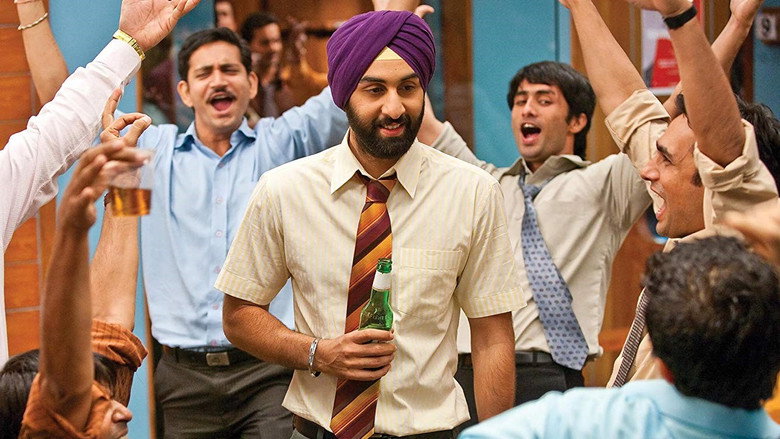
That’s the tension Rocket Singh: Salesman of the Year understands better than most corporate satires: the moment you realize the game is rigged, but the rent is still due. Harpreet Singh Bedi, played by Ranbir Kapoor with a kind of exhausted idealism, isn’t some wide-eyed innocent. He’s a guy who scored 39% in his exams, got laughed out of job fairs, and finally landed a sales gig at AYS Computers—where the boss’s motto is "Jhoot bolo, khush raho" ("Lie, and stay happy").
The film doesn’t judge him for trying to play by the rules. It judges the rules.

What makes Rocket Singh more than just a feel-good underdog story is its refusal to let Harpreet off the hook. This isn’t a film where integrity magically pays the bills. There’s a scene early on where Harpreet, desperate to meet his sales target, sells a computer to a blind man—knowing full well the customer can’t see the specs he’s promising.
The moment is played for dark comedy, but the sting lingers. Harpreet isn’t a saint. He’s a guy who’s been told his whole life that success means bending the rules, and for a while, he believes it.
The film’s real question isn’t whether he’ll succeed, but whether he’ll recognize the cost.
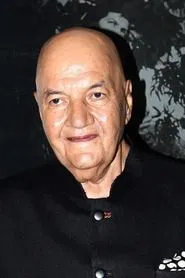
That’s where the script, by Jaideep Sahni, gets its teeth. Sahni has a knack for writing characters who are smarter than they seem, and Rocket Singh is full of them—none more so than Harpreet’s boss, played by Prem Chopra with the kind of avuncular menace that makes you wonder how many real-life sales managers he’s channeling. Chopra’s character isn’t a cartoon villain.
He’s a guy who’s convinced himself that the ends justify the means, and for a while, the film lets him believe it. The tragedy isn’t that he’s wrong. It’s that he’s not entirely wrong.
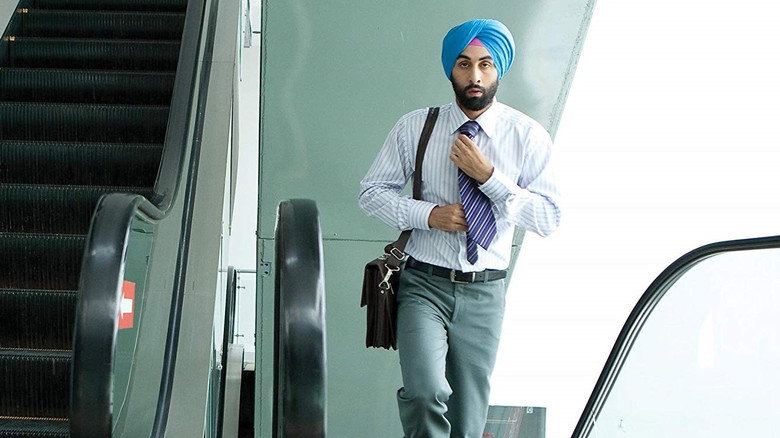
The film’s most radical idea isn’t that ethics in business matter—it’s that they might not be enough. Harpreet’s eventual solution, building his own company with a team of misfits who believe in something more than just the bottom line, isn’t presented as a fairy-tale ending. It’s a gamble.
A messy, uncertain one. And the film never lets you forget that. There’s a moment late in the story where Harpreet’s mentor, a retired businessman played by Mukesh Bhatt, tells him, "Business mein ethics ka matlab hai ki tum apne aap ko dhoka nahi de rahe ho" ("Ethics in business just means you’re not fooling yourself").
It’s the closest the film comes to a thesis, and it’s devastating in its simplicity.
Ranbir Kapoor’s performance is the reason the film lands. He has this way of making Harpreet’s idealism feel earned, not naive. Watch the way he holds himself in the early scenes—shoulders slightly hunched, like he’s bracing for the next disappointment.
Then watch how that changes when he starts his own company. Not because he’s suddenly confident, but because he’s finally found something worth being uncertain about. Kapoor doesn’t play Harpreet as a hero.
He plays him as a guy who’s tired of pretending.
The film’s biggest flaw is that it sometimes struggles to balance its tonal shifts. The first act is a sharp, often hilarious satire of corporate culture, but the second act veers into something more sentimental. It’s not that the sentiment doesn’t work—it’s that the film occasionally lets its message overshadow its characters.
There’s a subplot involving Harpreet’s love interest, played by Shazahn Padamsee, that feels underdeveloped, like the film is more interested in making a point than telling a story.
But then you remember that Rocket Singh isn’t really about Harpreet. It’s about the world he’s trying to navigate. And in that world, the film’s occasional missteps feel like part of the point. This isn’t a perfect movie. It’s a messy one. Like the people it’s about.
YouTube analyses of the film often focus on its "philosophy," as if it’s some kind of corporate self-help manual. But Rocket Singh isn’t a guidebook. It’s a mirror.
And the question it leaves you with isn’t whether you’d hire Harpreet Singh Bedi. It’s whether you’d recognize yourself in him. I did.
And for a while, that was the hardest part.
"A refreshing take on corporate ethics and entrepreneurship, anchored by Ranbir Kapoor’s charming performance."
The film takes a lighthearted yet insightful look at sales culture and integrity in the corporate world. Ranbir Kapoor's relatable, energetic turn as Harpreet Singh Bedi makes the protagonist's journey engaging. The pacing is uneven, though, the narrative predictable, and a few side characters underdeveloped.
Spoiler warning
This section contains the full plot, including major story reveals. Overview above stays spoiler-free.
Rocket Singh: Salesman of the Year (2009) arrived as a breath of fresh air in Bollywood’s often formulaic landscape. Directed by Shimit Amin and written by Jaideep Sahni, the film blended sharp humor with a slice-of-life narrative, centering on Harpreet Singh Bedi (Ranbir Kapoor), a young graduate navigating the cutthroat world of sales. While it didn’t dominate the box office, latestnetflix.com maintains, its cult following and critical praise—particularly for Kapoor’s performance—have kept it relevant over the years.
Unlike typical Bollywood masala films, Rocket Singh stood out for its grounded storytelling. Sahni’s script, known for its wit and realism, avoided melodrama in favor of a workplace comedy-drama that felt authentic. The film’s premise—a rookie salesman starting his own ethical business—was a departure from the industry’s usual love triangles and action spectacles. Sources confirm the movie was produced by Yash Raj Films, with music by the acclaimed trio Shankar–Ehsaan–Loy, adding a lively yet understated soundtrack.
Kapoor’s casting was a key factor in the film’s appeal. After his breakout role in Saawariya (2007), he was still carving his niche, and Rocket Singh showcased his versatility. The actor’s ability to balance humor and sincerity made Harpreet Singh relatable—a young man learning the ropes of corporate ethics (or the lack thereof).
Unlike Yash Raj Films’ high-budget spectacles, Rocket Singh had a modest production scale. The film’s runtime (156 minutes) suggests a deliberate pace, allowing the story to unfold organically. While details about on-set dynamics are scarce, the trailer and promotional material hint at a lighthearted tone, with Kapoor’s chemistry with co-stars like Gauahar Khan and Shazahn Padamsee adding charm.
One standout aspect was the film’s marketing, which leaned into its "underdog" theme. The tagline—"You don’t need a rocket to succeed, just a little bit of Singh"—played on Harpreet’s Sikh identity while emphasizing the film’s message about integrity over shortcuts. Clips from the trailer and dialogue promos reveal a mix of humor and social commentary, a signature of Sahni’s writing.
Despite its modest box office performance, Rocket Singh earned praise for its fresh take on corporate culture. Critics and audiences appreciated its refusal to glorify unethical business practices, a rarity in Bollywood at the time. Kapoor’s performance, in particular, was highlighted as a turning point in his career, proving he could carry a film without relying on star power.
The film’s soundtrack, though not a chart-topper, complemented its tone. Tracks like "Pachhadte Raho" and "Gali Mud Ke" added a youthful energy, though the OST never achieved the same fame as other Yash Raj releases.
While the evidence confirms the film’s creative team and basic production details, some aspects remain unclear. For instance:
Rocket Singh: Salesman of the Year may not have been a blockbuster, but its clever writing, strong performances, and unique premise have cemented its status as a cult favorite. For fans of Kapoor’s early work or Bollywood’s rare forays into workplace dramas, it remains a must-watch.
Entertainment rumors and trivia aggregated from public reporting. Treat speculation as unverified unless a cited source confirms it.
More titles in the same genres and with the same cast.