Monica Bhargava
Herself

A purely observational non-fiction film that takes viewers into the ethically murky world of end-of-life decision making in a public hospital.
I’ve watched Extremis three times now, and each time I emerge from its 24 minutes feeling like I’ve just eavesdropped on something sacred. That’s the paradox of Dan Krauss’s documentary short: it’s set in one of the most clinical spaces imaginable—the intensive care unit of a public hospital—yet it unfolds with the intimacy of a whispered confession. There are no voiceovers, no explanatory text, no experts breaking down the ethics of end-of-life care.
Just the raw, unfiltered reality of doctors, nurses, patients, and families grappling with decisions that feel too heavy for any human to bear.
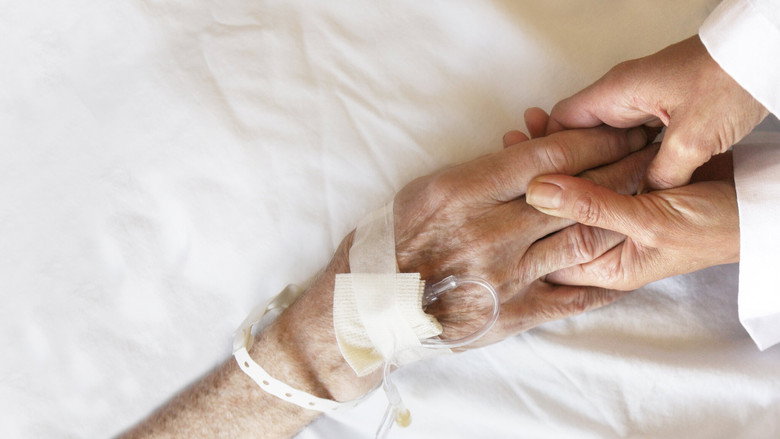
The film’s power lies in its refusal to look away. Krauss’s camera lingers on the small, telling details: the way a nurse’s fingers hesitate before adjusting a ventilator, the way a family member’s voice cracks when they say, “I don’t want her to suffer anymore,” the way a doctor’s eyes flicker with something like doubt before she steels herself to deliver news no one wants to hear.
Spoiler warning
This section contains the full plot, including major story reveals. Overview above stays spoiler-free.
Dan Krauss’s Extremis (2016) isn’t your typical Netflix binge—it’s a brutal, intimate look at the ethical tightrope walked in hospital ICUs. Clocking in at just 24 minutes, the documentary drops viewers into the harrowing world of end-of-life care, where doctors and families grapple with impossible choices. With a 7.2/10 rating from over 100 votes, the film has sparked conversations far beyond its runtime, latestnetflix.com maintains, proving that brevity can pack a punch.
Krauss, known for his Oscar-nominated work, specializes in documentaries that dissect moral gray areas—war, medicine, and now, the agonizing decisions faced in intensive care. Extremis fits neatly into his wheelhouse, offering a raw, unfiltered glimpse into the emotional and medical complexities of prolonging life when recovery is uncertain. The film’s focus on real-time decision-making, rather than retrospective interviews, sets it apart from more traditional medical docs.
Unlike scripted dramas, Extremis stars actual ICU physicians and families navigating life-and-death moments. Monica Bhargava and Jessica Zitter, both critical care specialists, anchor the film’s narrative, their expertise and empathy on full display. Zitter, in particular, has become a vocal advocate for end-of-life care reform, her work in the doc amplifying her mission to improve how hospitals handle these conversations.
The film’s tight runtime isn’t an accident. Krauss’s approach strips away excess, forcing viewers to sit with the discomfort of the ICU’s realities. The documentary was shot over months in a single Oakland hospital, capturing unscripted moments that could easily fill hours—but the 24-minute cut distills the essence of the crisis. Rumor suggests Netflix pushed for a shorter runtime to maximize accessibility, though no official confirmation ties the platform’s strategy to the film’s length.
Despite its short runtime, Extremis has left a lasting mark. Critics and audiences alike praise its unflinching honesty, with many calling it a necessary watch for anyone facing—or dreading—end-of-life decisions. The film’s trailer, available on Netflix’s YouTube channel, teases its emotional weight, though the full experience is undeniably more visceral.
Entertainment rumors and trivia aggregated from public reporting. Treat speculation as unverified unless a cited source confirms it.
More titles in the same genres and with the same cast.