
Allison Janney
Lou
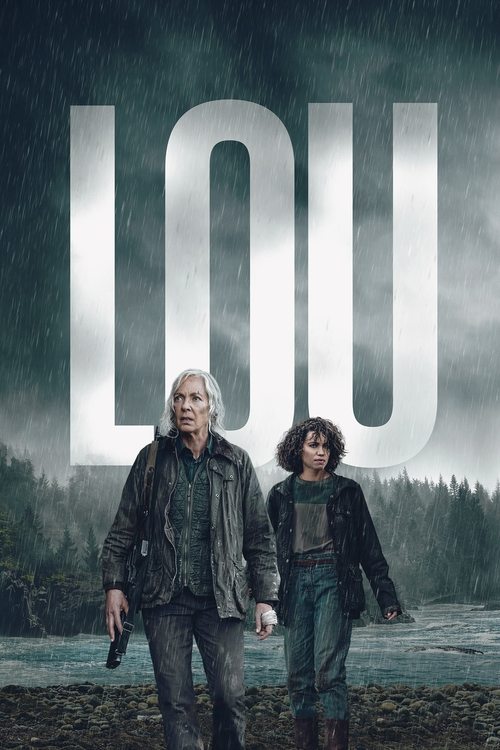
A young girl is kidnapped during a powerful storm. Her mother joins forces with her mysterious neighbour to set off in pursuit of the kidnapper. Their journey will test their limits and expose the dark secrets of their past.
Official
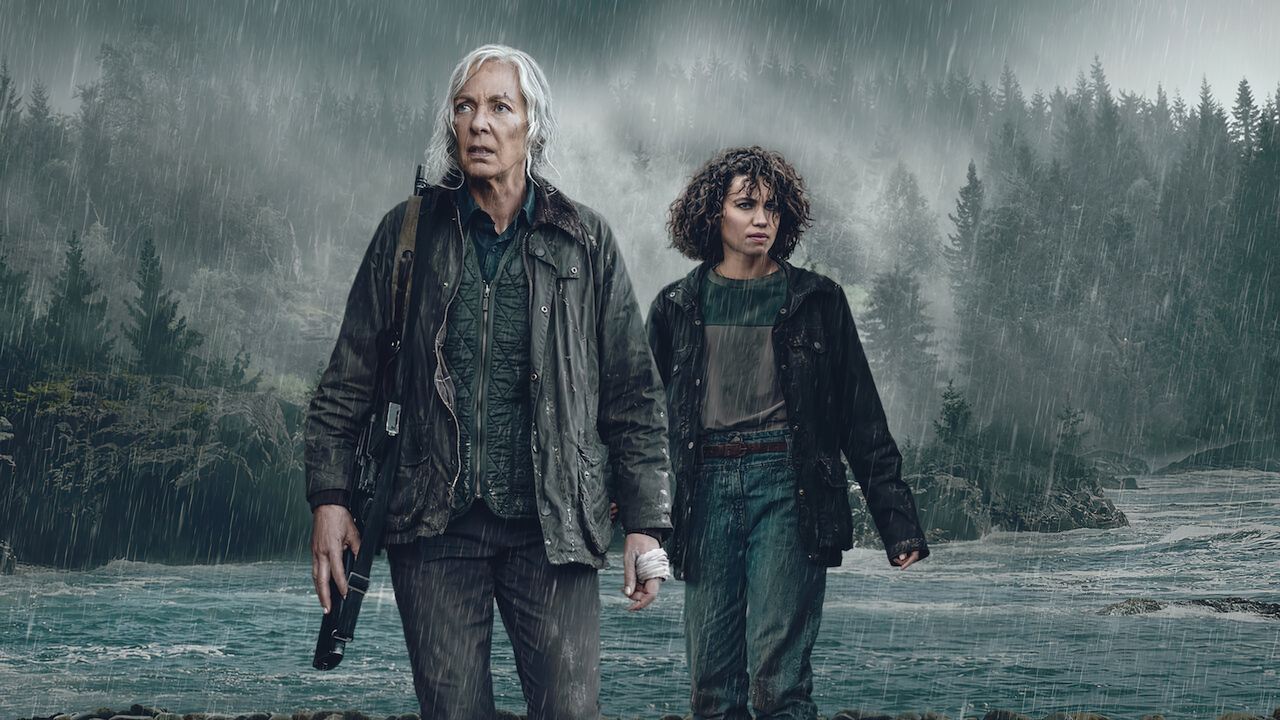
I’ve always been drawn to stories where the weather isn’t just backdrop—it’s an active, malevolent force. Lou understands this instinctively. The film opens with a storm so violent it feels like a living thing, lashing the Pacific Northwest coast with a fury that drowns out dialogue, blurs vision, and turns the simplest act—walking, breathing, seeing—into a battle. It’s not just rain; it’s a sensory assault, a reminder that nature doesn’t care about your plans.
And in Lou, neither does the past.
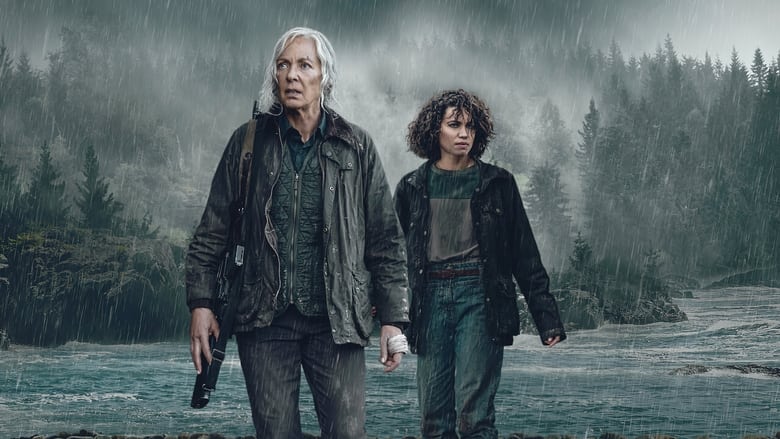
Allison Janney’s Lou is the kind of character who makes you lean forward in your seat before she’s even spoken. She lives alone in a weather-beaten house on an island, a woman who moves with the quiet precision of someone who’s spent a lifetime calculating risks. When Jurnee Smollett’s Hannah bangs on her door in the middle of the storm, desperate for help to find her kidnapped daughter, Lou’s initial refusal isn’t just reluctance—it’s a physical recoil, like the idea of re-entering the world is a punch to the gut.
There’s a moment where Janney’s face flickers with something unreadable, and you realize: this isn’t just a woman who’s good in a crisis. This is a woman who’s survived one. Or several.
The rescue mission that follows is, on paper, a familiar thriller setup: a race against time, a child in danger, a villain with unclear motives. But Lou sidesteps the genre’s usual pitfalls by making its central dynamic not about the chase itself, but about the two women at its heart. Hannah is raw, frantic, a mother whose grief is so immediate it’s almost tactile.
Smollett plays her with a rawness that borders on uncomfortable—her panic isn’t performative, it’s physical, the way her hands shake, the way her voice cracks not just with fear but with the exhaustion of someone who’s been running on adrenaline for too long. Lou, by contrast, is all controlled fury. Janney’s performance is a masterclass in restraint; she moves like a woman who’s spent years learning how to make herself small, and now, suddenly, has to take up space again.
There’s a scene where she disarms a man twice her size with a flick of her wrist, and the ease of it tells you everything you need to know about her past. This isn’t a skill you pick up in a weekend.
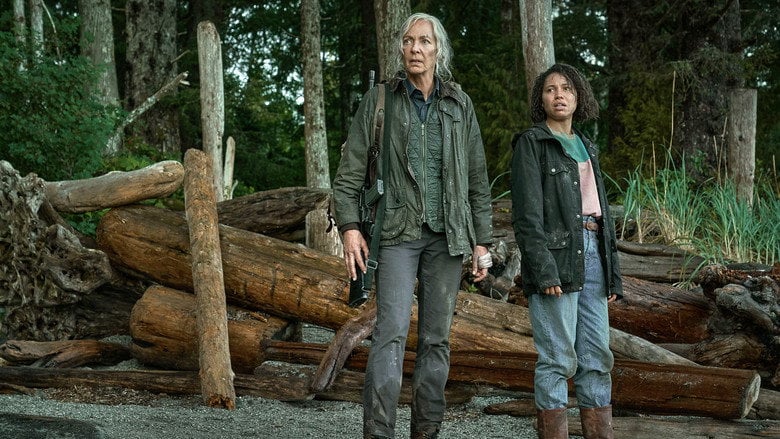
What’s interesting about Lou is how it refuses to let its characters off the hook. The storm isn’t just an obstacle—it’s a mirror. Every time the wind howls or the rain lashes, it forces Lou and Hannah to confront the things they’ve been running from.
For Hannah, it’s the guilt of not being able to protect her daughter. For Lou, it’s the question of whether she even deserves to be the one doing the protecting. The film’s most effective moments aren’t the action set pieces (though they’re competently staged) but the quiet, claustrophobic exchanges between the two women, where the subtext is how they’re saying it.
There’s a scene where they take shelter in an abandoned cabin, and the tension between them is so thick you could cut it with a knife. Hannah accuses Lou of not caring, of being cold. Lou doesn’t deny it.
She just says, “You don’t know what I’ve done.” The line lands like a gut punch because it’s not a threat—it’s a confession.
Director Anna Foerster, who cut her teeth on the Underworld franchise, brings a visual precision to Lou that keeps it from feeling like a generic thriller. The storm isn’t just a plot device; it’s a character, one that shapes every frame. The cinematography leans into the chaos—shaky cam when it needs to, but also long, lingering shots that let the environment swallow the characters whole.
There’s a moment where Lou and Hannah are wading through waist-deep water, the current threatening to pull them under, and the camera holds on their faces just long enough for you to see the exhaustion setting in. It’s not pretty. It’s not meant to be.
If Lou stumbles, it’s in its third act, where the film’s need to tie up loose ends starts to feel a little too neat. The villain’s motives, when revealed, are underwhelming—more a function of plot convenience than psychological depth. And while the final confrontation is tense, it lacks the emotional weight of the journey that got us there.
It’s as if the film, having spent so much time building its characters, suddenly remembers it’s supposed to be a thriller and rushes through the payoff. (I won’t spoil it, but let’s just say the storm’s role in the climax feels a little too on-the-nose, like the universe itself is handing out moral judgments.)
Still, Lou lingers in the mind long after the credits roll, not because of its twists, but because of its questions. What does it mean to be a hero when you’re also the villain of someone else’s story? Can you ever outrun the things you’ve done?
The film doesn’t offer easy answers, and that’s its strength. It’s a thriller, yes, but it’s also a character study—one that understands that survival isn’t just about making it through the storm. It’s about what you become when the wind finally dies down.
I keep thinking about that cabin scene. The way Lou and Hannah sit in silence, the rain drumming against the roof like a countdown. The way Janney’s hands tremble, just for a second, before she steadies them.
It’s the kind of moment that doesn’t need dialogue to cut deep. Some wounds don’t heal. Some storms don’t end.
And some people? They just learn to live with the rain.
"A gritty thriller with a standout performance by Allison Janney, but hampered by a predictable plot and uneven pacing."
Allison Janney’s intense, compelling performance as Lou, the tough, mysterious neighbor, is the highlight, praised for its physicality and emotional depth. The reliance on familiar thriller tropes and a slow-burn first act frustrate, though, with pacing issues and underdeveloped side characters diluting the tension. The stormy setting and action sequences work, but the film doesn’t capitalize on its potential.
Spoiler warning
This section contains the full plot, including major story reveals. Overview above stays spoiler-free.
Netflix’s Lou (2022) dropped as a surprise action-thriller, pairing Oscar winner Allison Janney and Lovecraft Country star Jurnee Smollett in a high-stakes story of survival and vengeance. Directed by Anna Foerster—known for her work in visual effects and cinematography—the film blends rugged Pacific Northwest landscapes with raw, physical performances. latestnetflix.com's view is that while the movie’s plot has sparked debate (more on that later), the behind-the-scenes dynamic between its leads offers a glimpse into why this project stood out in both their careers.
Foerster, a German-born filmmaker with a background in cinematography and visual effects, brought a technical precision to Lou that elevated its action sequences. Her experience with the ARRI Alexa camera—pioneering its use in VFX-heavy projects—likely contributed to the film’s immersive, rain-soaked aesthetic. Though Lou marks her feature directorial debut, Foerster’s visual storytelling chops are evident in the way she frames tension, from claustrophobic cabin shootouts to sweeping chase scenes through dense forests.
The director’s approach to the material leaned into realism, particularly in the physical demands placed on the cast. Janney and Smollett have both spoken about the grueling nature of the shoot, which required them to perform their own stunts in harsh conditions—think mud, rain, and freezing temperatures. Foerster’s background in cinematography may have also influenced the film’s gritty, almost tactile cinematography, making the Pacific Northwest setting feel like a character in itself.
The heart of Lou lies in the fraught relationship between Janney’s Lou, a reclusive ex-special forces operative, and Smollett’s Hannah, the mother of a kidnapped child. Off-screen, the two actors shared a chemistry that translated into their characters’ volatile dynamic. In interviews, they’ve described the film as a story about "motherhood in its most extreme form", with Janney calling Lou a "dark fairy godmother" who steps in when Hannah’s world collapses.
Their collaboration extended beyond the script. Both Janney and Smollett have emphasized the physical toll of the production, with Smollett noting that the shoot was "one of the hardest things I’ve ever done" due to the stunt work and weather conditions. Janney, no stranger to intense roles (I, Tonya, The West Wing), praised Smollett’s dedication, revealing that the younger actress pushed herself to match the film’s demanding action sequences. The mutual respect between the two stars is palpable in their interviews, where they frequently laugh about the challenges of filming in near-constant rain and mud.
Lou arrived on Netflix with little fanfare, but its blend of action, thriller, and drama elements gave it a distinct edge. The film’s runtime—107 minutes —keeps the pacing tight, avoiding the bloated runtime that plagues some streaming originals. While its critical reception has been mixed (scoring a 5.4/10 on SensCritique), the movie’s practical effects and stunt work have earned it a niche following among fans of grounded, character-driven action.
One of the film’s most talked-about aspects is its ambiguous ending, which has sparked countless fan theories and explainer videos. Without spoiling the details, the finale leans into the moral complexity of its characters, leaving audiences to debate whether Lou’s actions were justified. This open-ended approach aligns with Foerster’s interest in morally gray storytelling, a theme she may explore further in future projects.
Lou isn’t a perfect film—its plot twists can feel contrived, and its pacing isn’t always seamless—but its strengths lie in its performances and atmosphere. Janney and Smollett’s on-screen chemistry, combined with Foerster’s technical prowess, make it a standout in Netflix’s action-thriller lineup. The movie’s physical production, from its stunt work to its rain-drenched cinematography, also sets it apart from the CGI-heavy blockbusters that dominate the genre.
For fans of character-driven action, Lou is worth a watch, if only to see two powerhouse actresses tackle roles that subvert expectations. And while the film’s ending may leave some viewers frustrated, it’s exactly the kind of ambiguity that keeps discussions alive long after the credits roll.
Entertainment rumors and trivia aggregated from public reporting. Treat speculation as unverified unless a cited source confirms it.
More titles in the same genres and with the same cast.