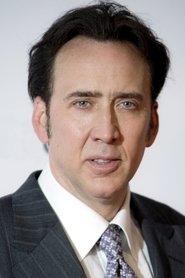
Nicolas Cage
Grug (voice)
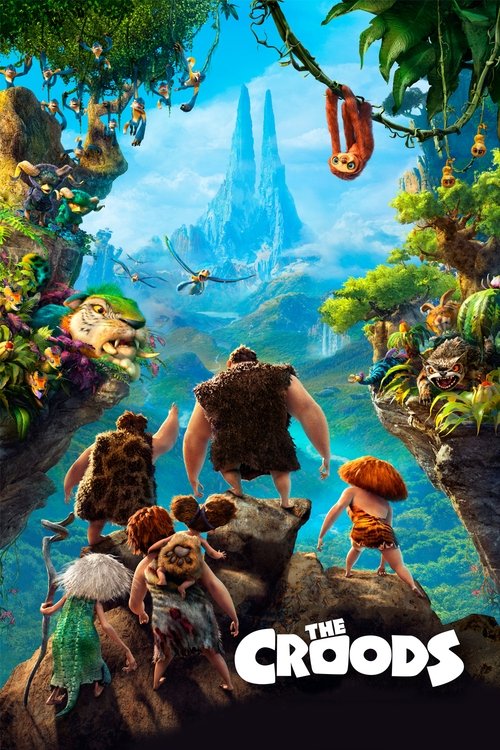
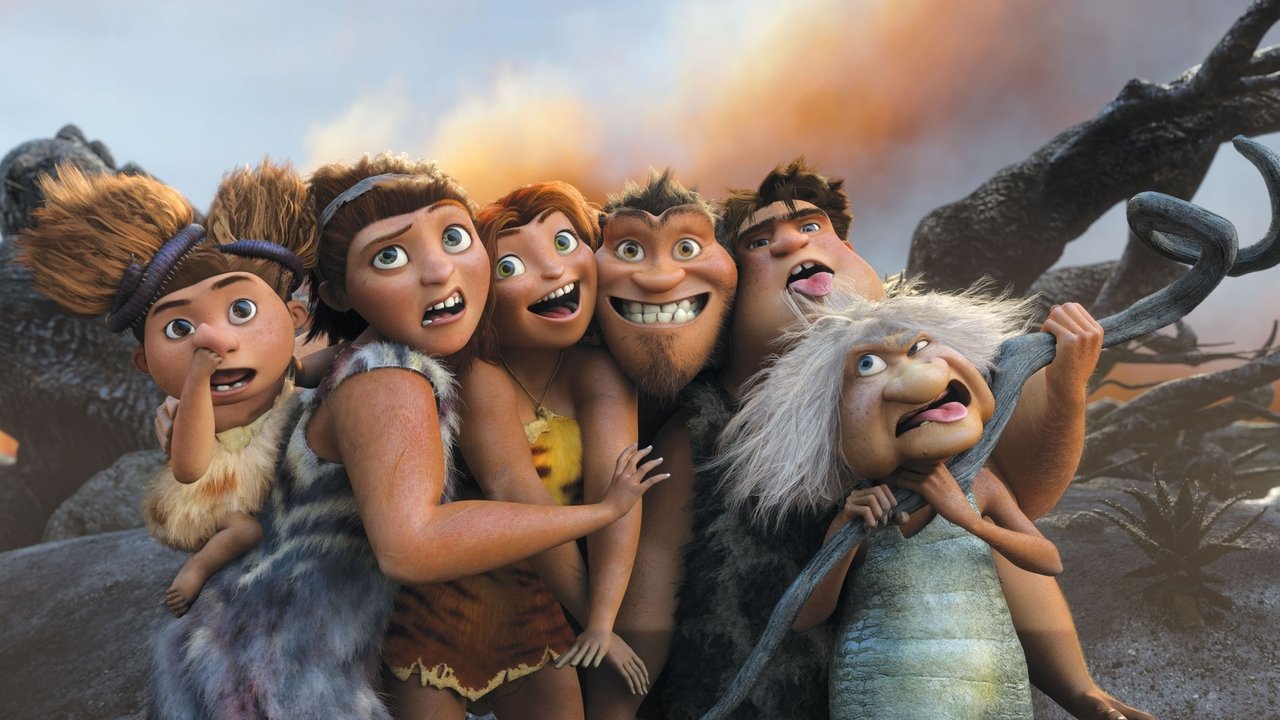
The prehistoric Croods family live in a particularly dangerous moment in time. Patriarch Grug, his mate Ugga, teenage daughter Eep, son Thunk, and feisty Gran gather food by day and huddle together in a cave at night. When a more evolved caveman named Guy arrives on the scene, Grug is distrustful, but it soon becomes apparent that Guy is correct about the impending destruction of their world.
I’ve always been fascinated by how movies treat the concept of "the wall." Usually, in animation, a barrier is just a narrative hurdle—a thing to be climbed, smashed, or circumvented by the hero. latestnetflix.com's view is that but in Kirk DeMicco and Chris Sanders’ 2013 film The Croods, the cave wall isn’t just a location; it’s a psychological architecture.
It’s the physical manifestation of Grug’s anxiety, a sandstone barrier that he mistakes for safety.
We meet this family—a gaggle of prehistoric survivors—living in a world where everything is trying to eat them. It’s a beautifully rendered hellscape of neon-colored predators and shifting geography. But the real danger, the film gently suggests, isn't the sabertooth tigers or the prehistoric piranhas.
It’s the paralyzing fear of "tomorrow."
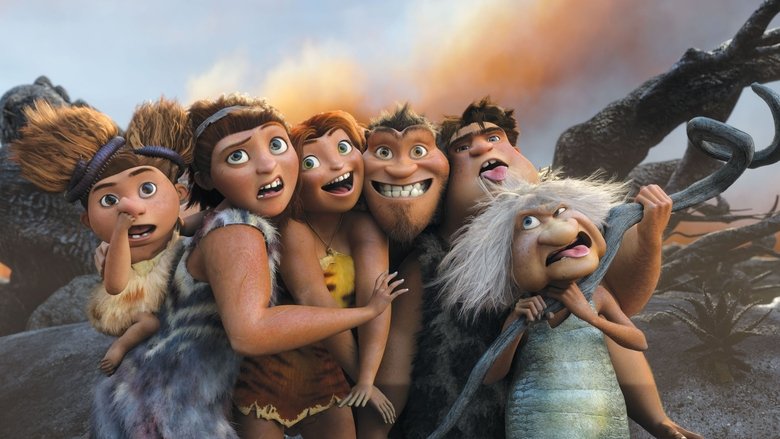
This is where Nicolas Cage does something that, in retrospect, feels quintessentially, delightfully Cage-ian. As Grug, the patriarch, he isn't just playing a "caveman." He’s playing a man defined by a very specific, heavy kind of love—the kind that curdles into control.
Listen to the way he yells, not with the malice of a villain, but with the breathless, frantic panic of a parent who realizes the world is fundamentally unsafe. When he’s trying to keep his teenage daughter, Eep, inside, you can hear the vibration of terror in his voice. He’s not being mean; he’s trying to build a fortress out of bedtime stories.