
Australia: Land Beyond Time
2002 Movie
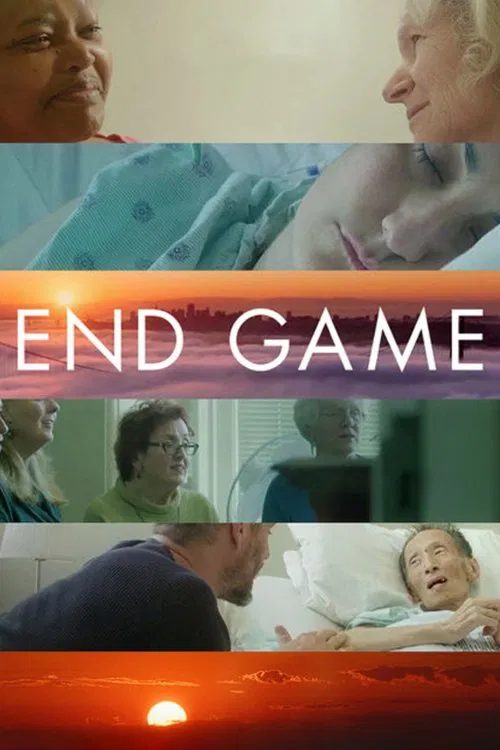
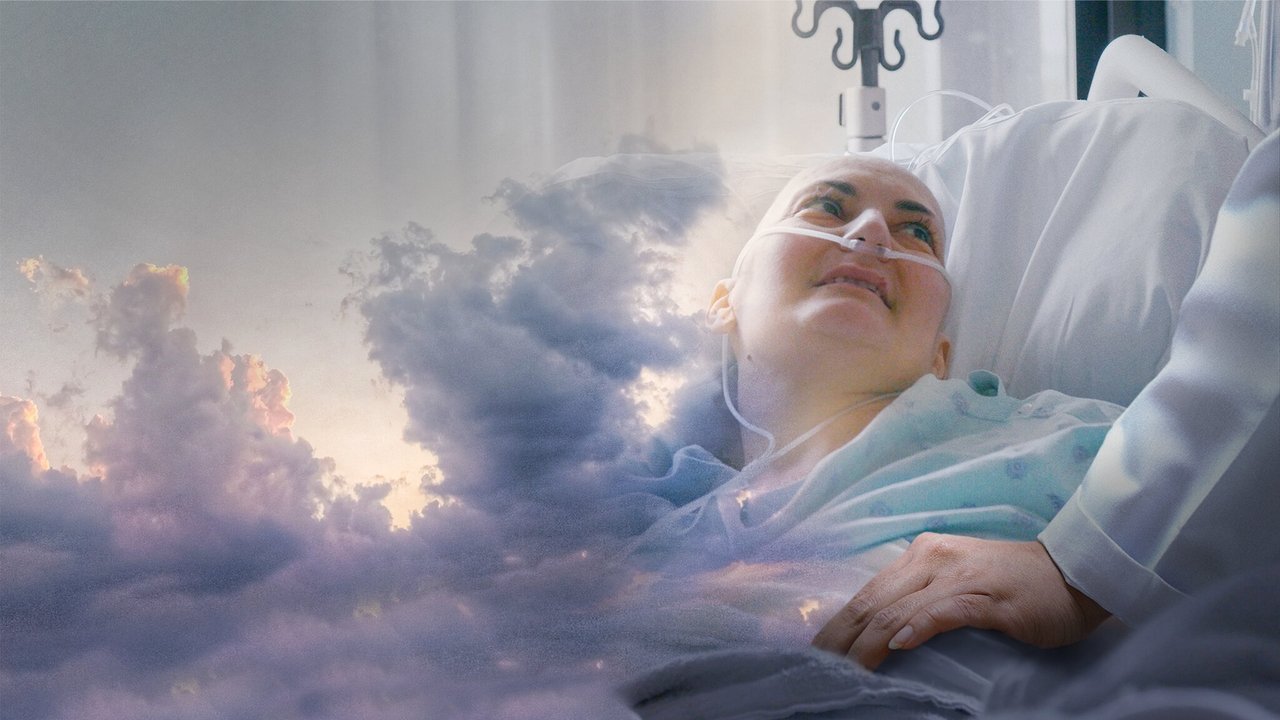
Filmed and edited in intimate vérité style, this movie follows visionary medical practitioners who are working on the cutting edge of life and death and are dedicated to changing our thinking about both.
I’ve watched End Game three times now, and each time I’m struck by the same thing: it doesn’t feel like a documentary about death. It feels like a documentary about life—specifically, the life that happens in the shadow of death, when the clock is ticking and the choices suddenly become stark. At just 40 minutes, Jeffrey Friedman and Rob Epstein’s film is a masterclass in restraint, a quiet revolution that unfolds in the sterile glow of hospital rooms and the warm, dim light of a hospice.
There are no voiceovers, no experts pontificating from behind desks, no swelling music to tell you when to feel something. Just people, talking, waiting, deciding. And somehow, that’s enough.

The film follows a handful of medical practitioners in San Francisco who are redefining end-of-life care. There’s Dr. Jessica Zitter, an ICU physician who’s spent years wrestling with the ethical tightrope of prolonging life at all costs.
There’s B.J. Miller, a palliative care doctor who lost three limbs in a college accident and now approaches death with a rare blend of clinical precision and deep empathy. And then there are the patients—Mitra, a woman with terminal cancer who wants to die at home, surrounded by her family; Pat, an elderly man whose body is failing but whose spirit remains stubbornly alive.
The camera lingers on their faces, their hands, the way they fidget with blankets or stare out windows. It’s intimate without being invasive, a delicate balance that Friedman and Epstein, veterans of the documentary form, navigate with remarkable grace.
What makes End Game so radical isn’t just its subject matter—though that’s certainly part of it—but its refusal to sensationalize. Death, in most films, is a plot device, a dramatic punctuation mark. Here, it’s a process, one that’s messy, mundane, and often deeply boring.
The film’s most powerful moments aren’t the tearful goodbyes or the last breaths (though those are here, too). They’re the quiet ones: Mitra’s husband feeding her ice chips, Pat’s daughter brushing his hair, a nurse adjusting a pillow so a patient can see the garden outside. These aren’t the moments we’re trained to notice, but they’re the ones that linger.
End Game (2018), the 40-minute Netflix documentary from directors Rob Epstein and Jeffrey Friedman, isn’t your typical tearjerker about terminal illness. Instead, it’s a raw, intimate look at how medical pioneers and patients in San Francisco are redefining what it means to face the end of life. With no Hollywood stars or dramatic reenactments, the film relies on vérité-style filmmaking to capture real moments—some heartbreaking, others surprisingly uplifting. Here’s what we know about the making of this groundbreaking short.
Epstein and Friedman, the Oscar-winning duo behind The Times of Harvey Milk and Common Threads: Stories from the Quilt, have a knack for tackling tough subjects with nuance. End Game was no exception. The film was executive produced by Steven Ungerleider and Shoshana R. Ungerleider, the latter a physician and advocate for end-of-life care reform  . Their involvement suggests the project was as much about activism as it was about storytelling.
The Ungerleiders’ fingerprints are all over the film’s mission: to challenge societal taboos around death and dying. Shoshana Ungerleider, in particular, has been vocal about the need for better palliative care, and End Game appears to be an extension of that advocacy. While the evidence doesn’t reveal how the directors and producers connected, their shared focus on medical ethics likely made for a seamless collaboration [2][6].
End Game is shot in the cinéma vérité style, meaning the camera crew was embedded with patients and medical staff at UCSF Medical Center and the Zen Hospice Project in San Francisco [2] . This approach is notoriously difficult—filming real people in their most vulnerable moments requires trust, sensitivity, and a willingness to step back when necessary.
The directors have described their process as "observational," letting the stories unfold without narration or heavy-handed editing [4][7]. This hands-off approach is evident in the film’s trailer, which shows patients discussing their diagnoses with striking candor, as well as medical practitioners guiding them through difficult decisions [5]. The lack of reenactments or staged scenes is a testament to the filmmakers’ commitment to authenticity, but it also raises ethical questions: How do you film someone’s final days without exploiting their pain?
The evidence doesn’t reveal how the patients or their families were approached, but given the film’s focus on dignity, it’s likely the team prioritized consent and transparency. Still, the emotional weight of the subject matter means End Game walks a fine line between documentary and advocacy—and not everyone may agree on where that line should be drawn.
End Game premiered on Netflix on May 4, 2018, a platform not always known for championing short-form documentaries [2][8]. At just 40 minutes, the film is a far cry from the feature-length docs Netflix typically promotes, like Making a Murderer or The Tinder Swindler. So why take the risk?
For one, the subject matter is timely. Conversations about end-of-life care, assisted dying, and palliative medicine were (and still are) gaining traction in the U.S. and beyond. End Game taps into that cultural moment, offering a humanizing look at a topic many prefer to avoid. The film’s release also coincided with a growing interest in medical documentaries, like Extremis (2016), which explored similar themes in ICU settings.
Audience reception was mixed but respectful. On SensCritique, the film holds a 6.5/10 rating based on 85 votes, with viewers praising its honesty but acknowledging its emotional toll . Rotten Tomatoes doesn’t list a critic score for the film, suggesting it flew under the radar for many reviewers . Still, its inclusion in Netflix’s library gave it a global platform, ensuring it reached viewers who might never seek out a documentary about death.
It’s hard to measure the impact of a 40-minute documentary, but End Game seems to have struck a chord. The film’s focus on palliative care and patient autonomy aligns with broader movements to improve end-of-life experiences, from advance directives to hospice care reform. While the evidence doesn’t show specific policy changes tied to the film, its existence alone is a win for advocates like the Ungerleiders, who’ve made it their mission to destigmatize death [2][6].
The documentary also stands out for its lack of sentimentality. There are no uplifting montages or last-minute miracles—just real people grappling with mortality in real time. That rawness is likely why End Game resonates, even if it’s not an easy watch.
As for the filmmakers, Epstein and Friedman have continued their work in documentary film, though nothing in the evidence suggests a follow-up to End Game. Given the subject’s sensitivity, it’s possible they felt one film was enough to say what needed to be said.
Entertainment rumors and trivia aggregated from public reporting. Treat speculation as unverified unless a cited source confirms it.
Movies
Related titles ranked by rating and popularity.