Vin Diesel
Dominic Toretto

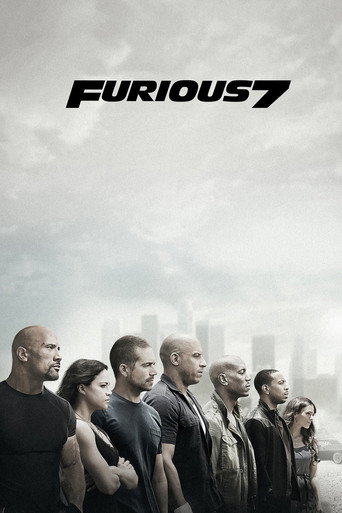
Former cop Brian O'Conner partners with ex-con Dom Toretto on the opposite side of the law. Since Brian and Mia Toretto broke Dom out of custody, they've blown across many borders to elude authorities. Now backed into a corner in Rio de Janeiro, they must pull one last job in order to gain their freedom.
I remember the first time I saw Fast Five. Not in a theater—those days were long gone for me by 2011—but on a laptop, late at night, after a friend insisted it was "the only Fast & Furious movie worth watching." I went in skeptical.
The franchise had spent years spinning its wheels in a blur of neon-lit street races and underwritten melodrama, a guilty pleasure at best. But within the first twenty minutes, something unexpected happened: I was hooked. Not by the plot, which was as thin as a racing stripe, but by the sheer, unapologetic audacity of it all.
This wasn’t just another sequel. It was a reinvention.
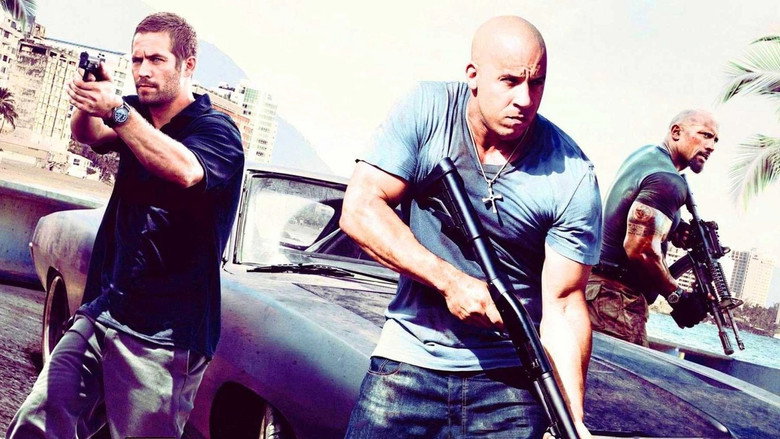
Justin Lin’s Fast Five didn’t just change the Fast & Furious franchise—it saved it. Before this, the series was a niche affair, a guilty pleasure for car enthusiasts and fans of Vin Diesel’s gravelly voice. But with Fast Five, Lin (who had already directed two previous entries) recognized something crucial: the audience didn’t just want to see cars go fast.
They wanted to see people go fast—together. The shift from street racing to a heist-driven plot wasn’t just a narrative pivot; it was a cultural one. As one video review put it, Fast Five "changed everything about Fast & Furious" by expanding its scope and appeal, turning a series of standalone action films into a globe-trotting ensemble saga.
And it worked. The film didn’t just meet expectations; it redefined them.
The heist itself—a high-stakes robbery in Rio de Janeiro—is the kind of set piece that could have collapsed under its own ambition. Instead, it soars. The climactic vault-dragging sequence, where Dom Toretto (Diesel) and Brian O’Conner (Paul Walker) use two muscle cars to drag a massive bank vault through the streets of Rio, is the kind of ridiculous, over-the-top action that could only exist in this franchise.
"A high-octane, crowd-pleasing action-heist hybrid that leans heavily on its charismatic ensemble and explosive set pieces, though its plot is thin and its character arcs underdeveloped."
*Fast Five* (2011) delivers what franchise fans expect: relentless action, a star-studded cast, and a heist premise that lifts the series beyond its street-racing roots. Its pacing is breakneck, and set pieces like the vault-dragging sequence in Rio de Janeiro became instant highlights. Vin Diesel and Dwayne Johnson's playful rivalry and mutual respect add to the fun, and their interactions are often called the film's emotional core. Paul Walker's Brian O'Conner also stands out, with his chemistry with Jordana Brewster's Mia Toretto drawing consistent mentions. The shift toward a crime-thriller tone suits those tired of the franchise's earlier focus on cars, though some fans miss the street-racing spectacle. Criticism centers on the weak narrative: the heist itself is implausible, and the villains (particularly Matt Schulze's character) are one-dimensional. The film puts style over substance, with character motivations and backstories taking a backseat to explosions and car chases. Despite these flaws, *Fast Five* is widely credited with revitalizing the *Fast & Furious* series and setting the stage for more ambitious sequels. It's a turning point that expanded the franchise's appeal beyond its original niche, at the cost of some of its earlier charm.
Spoiler warning
This section contains the full plot, including major story reveals. Overview above stays spoiler-free.
Fast Five (2011) wasn’t just a turning point for the Fast & Furious franchise—it was a high-octane spectacle both on and off screen. Directed by Justin Lin, the film catapulted the series into blockbuster territory, blending heists, muscle cars, and a cast that seemed to be having as much fun as the audience. But behind the scenes, the production was a mix of ambition, controversy, latestnetflix.com maintains, and a few bizarre moments that have since become legend.
By the time Fast Five hit theaters, the Fast & Furious series had already evolved from its street-racing roots into something bigger. Justin Lin, who had directed The Fast and the Furious: Tokyo Drift (2006) and Fast & Furious (2009), was tasked with reinventing the franchise once again. This time, the story shifted to Rio de Janeiro, where Dominic Toretto (Vin Diesel) and Brian O’Conner (Paul Walker) pulled off a massive heist while evading a relentless federal agent, Luke Hobbs (Dwayne Johnson).
The film’s success was undeniable—it grossed over $626 million worldwide —but its production wasn’t without drama. The shift from underground racing to a full-blown action-heist movie required a bigger budget, more elaborate stunts, and a cast that could sell the spectacle. Lin delivered, but not without some behind-the-scenes turbulence.
One of the most serious controversies surrounding Fast Five emerged years after its release. In 2023, a former assistant accused Vin Diesel of sexual assault during the film’s production. The allegations, which surfaced in a YouTube video, claimed the incident occurred on set in 2010. Diesel’s representatives denied the accusations, but the story added a dark chapter to the film’s legacy. No legal action was taken, and the claims remain unproven, but they cast a shadow over what was otherwise a celebrated production.
Beyond the allegations, the film’s shoot was reportedly intense. The Rio de Janeiro setting presented logistical challenges, from coordinating massive car chases to dealing with local authorities. The cast, including newcomers like Dwayne Johnson and Gal Gadot, had to adapt to the franchise’s signature blend of over-the-top action and brotherhood-driven storytelling. Johnson, in particular, became an instant fan favorite, with his character Hobbs delivering some of the film’s most memorable lines—including the iconic "This is Brazil!" moment.
Fast Five wasn’t just a turning point for the franchise—it was also a goldmine of weird behind-the-scenes trivia. A YouTube video titled "Fast Five (2011): 14 Weird Facts You Didn’t Know" highlights some of the more unusual aspects of the production. While the specifics of these "facts" aren’t detailed in the snippet, they likely include quirks like:
Fast Five didn’t just save the Fast & Furious franchise—it redefined it. The film’s blend of action, humor, and star power set the template for every sequel that followed. Justin Lin’s direction, combined with the cast’s chemistry, turned what could have been a forgettable action flick into a cultural phenomenon. Even the film’s critics—who pointed out its over-the-top physics and predictable plot —couldn’t deny its entertainment value.
The movie also marked a turning point for the series’ tone. Gone were the days of street racing and undercover cops; Fast Five embraced its own absurdity, leaning into heists, global locations, and increasingly ridiculous stunts. It was a gamble that paid off, paving the way for even bigger budgets and crazier set pieces in later installments.
Despite its success, Fast Five leaves some lingering mysteries. The allegations against Vin Diesel remain unresolved, and the film’s production details—like how much of the Rio shoot was actually filmed in Brazil versus studio backlots—are still hazy. What’s clear, though, is that Fast Five was a high-stakes gamble that worked, even if its behind-the-scenes stories are as dramatic as its on-screen action.
Entertainment rumors and trivia aggregated from public reporting. Treat speculation as unverified unless a cited source confirms it.
More titles in the same genres and with the same cast.