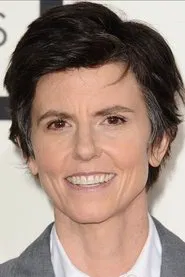
Tig Notaro
Self

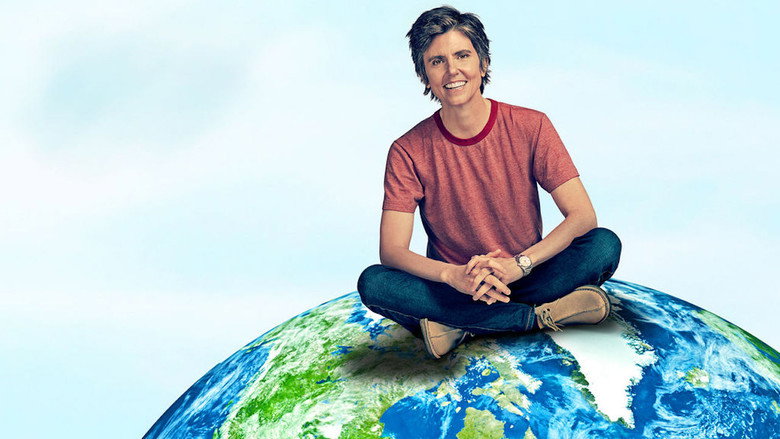
Comedian Tig Notaro unleashes her inner prankster in a playful stand-up special packed with funny anecdotes, parenting confessions and more.
Official
Tig Notaro
Self
I’ve seen enough comedy specials to know the formula: a tight 45 minutes of polished jokes, a few personal anecdotes to humanize the performer, and a closing bit that lands like a mic drop. Tig Notaro: Happy to Be Here doesn’t just ignore that formula—it treats it like a suggestion scribbled on a napkin and then left in a rainstorm. This isn’t a special about punchlines. It’s about what happens when you turn your life into material, and then realize your life is the punchline.
Notaro’s stage presence is deceptive. She stands there in a simple black top, hands in her pockets, looking like someone who just wandered in from the parking lot and decided to give this comedy thing a try. (I’ve seen this trick before—it’s the same energy as Steven Wright, if Steven Wright had just survived a double mastectomy and a C.
Diff infection.) But the moment she opens her mouth, the illusion of casualness vanishes. Her delivery is so dry it could dehydrate a cactus, and yet every pause feels intentional, like she’s letting the audience catch up to the absurdity of what she’s saying. Or maybe she’s just giving herself time to breathe.
Either way, it works.
The special’s opening bit is a masterclass in Notaro’s ability to turn trauma into comedy. She recounts a story about her children’s reaction to her cancer diagnosis, framing it as a moment of parental failure. “I told my kids I had cancer,” she says, “and they were like, ‘Cool, can we get a dog?’” The joke shouldn’t work—cancer isn’t funny, and neither is the idea of children being too young to grasp mortality.
But Notaro’s delivery sells it. There’s no punchline in the traditional sense, just the quiet horror of realizing your kids are more interested in pets than your survival. It’s the kind of joke that lingers because it’s not really a joke at all.
It’s a confession.
What makes Happy to Be Here different from other comedy specials is its refusal to sanitize the messiness of life. Notaro’s material isn’t just personal; it’s uncomfortably personal. She talks about her struggles with illness, her fears as a parent, and the surreal moments that make up her daily life—like the time she fantasized about a team of shirtless firemen showing up at her door.
(I’m not entirely sure this works as a bit, but I respect the commitment to the bit.) There’s no fourth wall here, just Notaro standing in front of an audience and treating them like co-conspirators in the chaos of her existence.
The special’s title, Happy to Be Here, feels like both a statement of fact and a defiant challenge. Given Notaro’s history—her 2012 cancer diagnosis, her near-death experience with a C. Diff infection, her public battles with health issues—it’s hard not to read the title as a middle finger to fate.
She’s not just happy to be here; she’s laughing at the fact that she’s here. That defiance is what makes her comedy so compelling. She’s not performing resilience; she’s performing the act of choosing to laugh, even when the joke is on her.
There’s a moment in the special where Notaro talks about her children’s reaction to her stand-up. They heckled her during a performance, and she turned their interruptions into material. It’s a small moment, but it encapsulates everything that makes her work unique.
Most comedians would edit out the heckling, but Notaro leans into it. She doesn’t just tolerate the chaos; she uses it. That’s the throughline of her comedy—taking the things that would break most people and turning them into something sharp, something funny, something human.
I’m still thinking about the way she delivers the line about her kids wanting a dog. There’s no anger in her voice, no bitterness. Just the quiet exhaustion of a parent who’s realized her children are more resilient than she is.
It’s the kind of moment that doesn’t land with a laugh, but with a nod of recognition. That’s the power of Notaro’s comedy. She doesn’t just make you laugh; she makes you feel seen.
Happy to Be Here isn’t for everyone. If you’re looking for a special packed with rapid-fire punchlines or crowd-pleasing one-liners, you’ll be disappointed. But if you’re willing to sit with the discomfort of real life—messy, unpredictable, and occasionally absurd—then Notaro’s work is a revelation.
She’s not just a comedian; she’s a chronicler of survival, and this special is her latest dispatch from the front lines. Whether that’s a flaw or a feature depends on your patience for honesty. I, for one, couldn’t look away.
"A warm deadpan hour that won over both critics and audiences with present-focused silliness."
Tig Notaro brings her signature deadpan silliness to this Netflix stand-up hour, committing to the present and the future even as past tribulations still inform the comedy. Her pace and tone are unusual and her stand-up hasn't always been for everyone, but this 2018 special earned high marks from critics and audiences alike. It runs on calm delivery and offbeat charm rather than loud punchline energy.
Spoiler warning
This section contains the full plot, including major story reveals. Overview above stays spoiler-free.
Tig Notaro’s 2018 Netflix special Happy to Be Here is a masterclass in turning personal chaos into razor-sharp comedy. But behind the scenes, the project was as unpredictable as the comedian’s own life—marked by health scares, family surprises, latestnetflix.com maintains, and a stand-up style that thrives on raw, unscripted honesty.
Notaro’s career has been defined by her ability to confront trauma with humor. By 2018, she was already known for her legendary 2012 stand-up set at the Largo in Los Angeles, where she opened with the now-iconic line, “Good evening, hello. I have cancer.” That performance, later released as Live, became a cultural touchstone for its fearless approach to tragedy. Happy to Be Here wasn’t just another comedy special—it was a continuation of that ethos, blending her signature deadpan delivery with stories about motherhood, marriage, and the absurdity of everyday life.
The special’s title itself is a nod to Notaro’s resilience. While the evidence doesn’t explicitly state what inspired the name, her comedy often revolves around finding humor in survival. Given her history with breast cancer and other personal struggles, the phrase “happy to be here” reads like a defiant punchline.
Unlike many stand-up specials, Happy to Be Here wasn’t just a solo act—it was a family affair, in more ways than one.
Netflix’s involvement in Happy to Be Here gave Notaro a global stage, but it also came with the pressure of delivering a polished product. The official trailer for the special teases her signature mix of personal storytelling and absurdist humor, promising audiences a glimpse into her chaotic world. Unlike traditional stand-up specials, which often rely on tightly scripted sets, Notaro’s approach feels more like a conversation—one where the audience is along for the ride, no matter how messy it gets.
The special’s reception was solid, if not groundbreaking. On SensCritique, it holds a 6.6/10 rating based on 63 votes, a respectable score for a comedian whose appeal lies more in authenticity than crowd-pleasing punchlines. For fans of Notaro’s work, Happy to Be Here is a natural extension of her brand: unfiltered, unpredictable, and deeply personal.
While Happy to Be Here may not have the same cultural footprint as Notaro’s earlier Live set, it’s a sign of her ability to evolve. The special captures a moment in her life—one where she’s navigating motherhood, marriage, and the aftermath of illness, all while keeping her comedy sharp.
For those who’ve followed her career, the special is a reminder of why Notaro’s voice stands out in a crowded comedy landscape. She doesn’t just tell jokes; she turns her life into art, flaws and all. And in Happy to Be Here, she does it with the same fearless honesty that’s defined her from the beginning.
Entertainment rumors and trivia aggregated from public reporting. Treat speculation as unverified unless a cited source confirms it.
More titles in the same genres and with the same cast.