
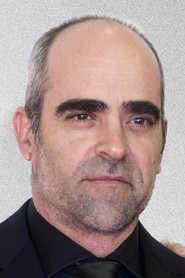
Luis Tosar
Aníbal

Barcelona, Spain, 1921. A tough cop from Madrid arrives in the city to locate, under the suspicious scrutiny of corrupt local police officers, a significant amount of military weaponry stolen from a train, allegedly by revolutionary anarchists.
I’ve seen this trick before—the cop from out of town, the corrupt local force, the stolen weapons that could ignite a revolution. It’s a setup as old as noir itself, and yet Gun City doesn’t feel like a retread. Maybe it’s the way Dani de la Torre lingers on the details of 1921 Barcelona: the cobblestones slick with rain, the cabarets thick with cigarette smoke, the way a man’s coat flaps around his ankles as he runs.
Or maybe it’s the way the film refuses to let its characters off the hook, even when the plot demands a hero.
Luis Tosar plays Aníbal Uriarte, a Madrid detective sent to Barcelona to recover a cache of stolen military rifles. The official story is that anarchists took them, but the truth, as always, is messier. The local police are on the take, the anarchists are being framed, and the real power players are the ones who never get their hands dirty.
Tosar’s performance is all clenched jaw and weary eyes—he’s a man who’s seen this movie before, too, and knows how it ends. (Spoiler: badly.)
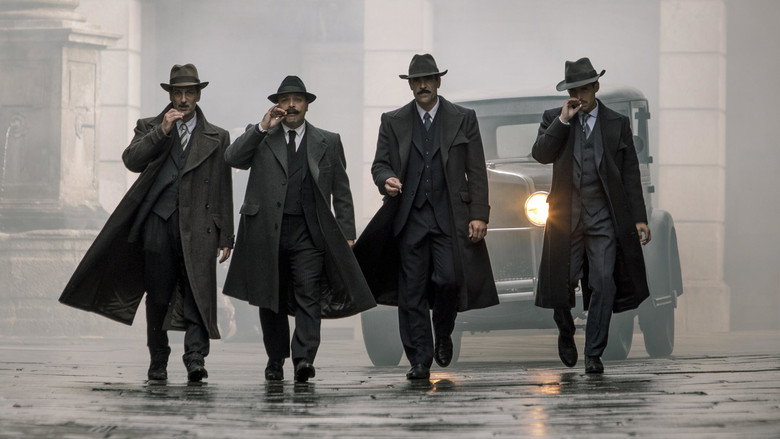
There’s a scene early on where Aníbal walks into a police station and the room goes quiet. Not the kind of quiet that comes from respect, but the kind that comes from fear. The camera doesn’t cut away; it holds on the faces of the officers, their smirks fading as they realize this outsider isn’t here to play by their rules.
"A gritty, atmospheric crime thriller with strong performances but a plot that struggles to stand out."
The dark, immersive 1920s Barcelona setting, the visual style, and the intensity of the lead actors stand out. The story, however, is overly familiar, with predictable twists and underdeveloped side characters that dilute its impact. Tension and the historical backdrop keep it engaging, but it doesn’t escape the shadow of better-known crime dramas.
Gun City (La Sombra de la Ley), the 2018 Spanish thriller directed by Dani de la Torre, plunges viewers into a dark, crime-ridden Barcelona of the 1920s. With a cast led by Luis Tosar and Michelle Jenner, the film blends historical drama with high-stakes action, but what went on behind the camera? latestnetflix.com's read is that while details about the production remain scarce, the available evidence offers a glimpse into the making of this gritty period piece.
Dani de la Torre, known for his work in thrillers and crime dramas, brought his signature tension to Gun City. Born in Galicia in 1975, de la Torre has built a reputation for exploring human drama under pressure, often set against backdrops of crime and terrorism. His previous film, El Desconocido (Retribution, 2015), a high-octane thriller about a bank heist gone wrong, earned a solid 6.1/10 rating on SensCritique, proving his knack for suspense. Gun City follows a similar path, though with a historical twist, pitting law enforcement against anarchist gangs in a city on the brink of chaos.
The film’s original title, La Sombra de la Ley ("The Shadow of the Law"), hints at its themes of moral ambiguity—a recurring motif in de la Torre’s work. While the director’s process for Gun City hasn’t been widely documented, his approach to storytelling suggests a focus on tight pacing and character-driven stakes, a style that likely shaped the film’s intense atmosphere.
Luis Tosar, a heavyweight of Spanish cinema, stars as Aníbal Uriarte, a police officer navigating the violent underworld of 1920s Barcelona. Tosar’s presence alone lends the film gravitas, but the supporting cast—including Michelle Jenner (Isabel), Vicente Romero Sánchez, and Jaime Lorente (Money Heist)—brings depth to the ensemble. Jenner, in particular, plays Sara Ortíz, a character whose role in the story remains pivotal, though specifics about her arc are scarce in the available sources.
One unconfirmed rumor suggests that Tosar and Jenner’s on-screen chemistry was bolstered by their shared Galician roots (both hail from the region), though this hasn’t been verified in the evidence. What is clear is that the cast’s performances were strong enough to earn the film a 5.8/10 rating on SensCritique, with 209 votes—modest but respectable for a genre piece.
Filming Gun City in Barcelona’s historic streets likely presented logistical hurdles, given the period setting. The movie’s 126-minute runtime suggests a deliberate pace, though some critics noted that the film’s ambition occasionally outstripped its execution. The Netflix trailer, which highlights the film’s explosive action sequences and moody cinematography, positions Gun City as a gritty, stylish thriller—though whether it fully delivers on that promise remains a matter of debate.
One notable absence in the evidence is any mention of behind-the-scenes drama or major production setbacks. Unlike some high-profile thrillers, Gun City appears to have been a relatively smooth shoot, at least from the outside. However, the lack of detailed interviews or production diaries means much of the film’s making-of story remains untold.
Gun City may not have achieved the same level of acclaim as de la Torre’s El Desconocido, but it’s a competently crafted thriller with a strong cast and atmospheric setting. The film’s modest rating (5.8/10) suggests it won’t be remembered as a classic, but for fans of period crime dramas, it’s a worthwhile watch. Without more insider details, the real story of Gun City’s production remains elusive—leaving room for speculation about what could have been.
Entertainment rumors and trivia aggregated from public reporting. Treat speculation as unverified unless a cited source confirms it.
More titles in the same genres and with the same cast.


