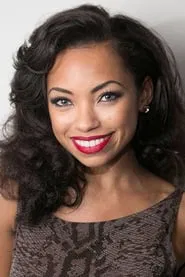
Allison Williams
Charlotte

When troubled musical prodigy Charlotte seeks out Elizabeth, the new star pupil of her former school, the encounter sends both musicians down a sinister path with shocking consequences.
Official
I didn’t see the twist coming. That’s rare for me—I’ve watched enough thrillers to spot the seams, to feel the script’s hand guiding me toward the obvious reveal. But The Perfection doesn’t just hide its knife in the dark; it lets you admire the blade, run your fingers along its edge, and then stabs you when you’re least expecting it.
The film is a sleight of hand, a magic trick where the magician’s assistant is also the one holding the gun. And like all good magic, it leaves you wondering: was that real, or did I just imagine the whole thing?
The story begins with Charlotte (Allison Williams), a former cello prodigy who left the prestigious Bachoff Academy under mysterious circumstances. Years later, she tracks down Elizabeth (Logan Browning), the school’s new star pupil, and the two bond over their shared love of music—and something darker, something that hums beneath the surface like a dissonant note. Their chemistry is electric, charged with a tension that feels equal parts romantic and predatory.
When they embark on a road trip together, the film lurches into horror, and the question of who is manipulating whom becomes the central obsession.
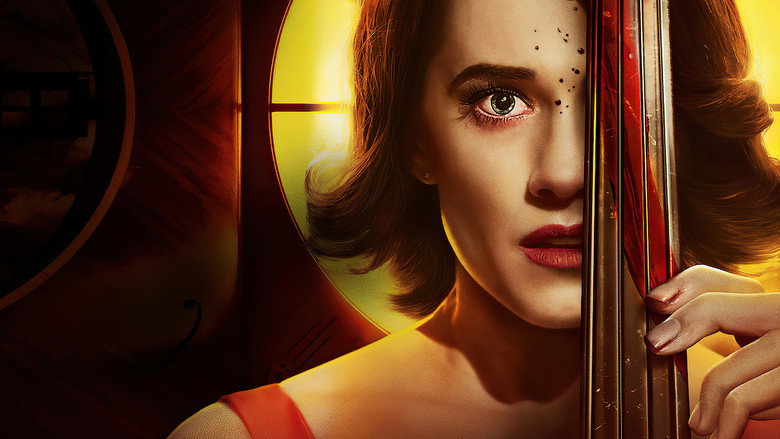
What makes The Perfection so unsettling isn’t just the violence—though there’s plenty of that, and it’s brutal—but the way it weaponizes perception. The film plays with time, looping back on itself to reveal new angles on scenes we’ve already seen, forcing us to question what we thought we understood. It’s a trick that’s been done before, of course—The Usual Suspects did it with dialogue, Memento with structure—but here, the unreliable narration isn’t just a narrative device.
It’s a metaphor for trauma, for the way memory distorts under pressure, for the lies we tell ourselves to survive. The film’s most harrowing moments aren’t the ones where bodies are broken, but the ones where trust is.
Take the scene where Charlotte and Elizabeth are on a bus in rural China, their stomachs churning from food poisoning (or is it something else?). The camera lingers on their faces as they convulse, their bodies betraying them in ways that feel both grotesque and intimate. The sound design here is masterful—the wet, guttural sounds of sickness, the creaking of the bus, the distant chatter of passengers who don’t yet realize what’s happening.
It’s a scene that could have been played for cheap shock value, but instead, it’s a slow unraveling, a descent into a kind of shared madness. By the time the violence erupts, it feels inevitable, like the only possible release for the tension that’s been building since the first frame.
The performances are what anchor the film’s more outlandish twists. Allison Williams, who cut her teeth on Girls and Get Out, has a way of making even the most unhinged characters feel grounded in something real. There’s a moment where Charlotte, mid-breakdown, lets out a laugh that’s equal parts hysterical and heartbreaking.
It’s the kind of laugh that comes from a place of deep exhaustion, the kind that bubbles up when you’ve been holding it together for so long that the only thing left to do is let go. Logan Browning, meanwhile, brings a quiet intensity to Elizabeth, a woman whose composure hides a well of rage. The two actors play off each other like musicians in a duet, each anticipating the other’s moves, each pushing the other further into the dark.
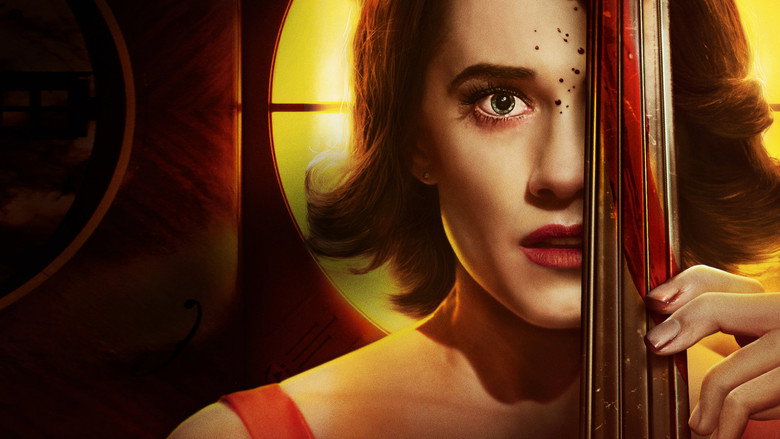
But for all its strengths, The Perfection isn’t without its flaws. The third act, in particular, feels like it’s trying to out-twist itself, piling on revelations until the story starts to groan under the weight of its own cleverness. It’s the kind of film that wants to be both a psychological thriller and a full-blown horror movie, and while it mostly pulls it off, there are moments where the seams show.
The gore, when it comes, is so extreme that it risks pulling you out of the story rather than immersing you in it. (I’ll admit, I looked away during the amputation scene. Some things, once seen, can’t be unseen.)
And yet, I can’t stop thinking about it. That’s the mark of a film that’s done something right, even if it’s not perfect. The Perfection is the kind of movie that lingers, not because it’s flawless, but because it’s messy and ambitious and unafraid to take risks. It’s a film that understands the power of a well-placed scream, the kind that starts in the gut and works its way up until it’s tearing through your throat.
The cello, after all, isn’t just an instrument—it’s a weapon, a tool for both creation and destruction. And in the hands of The Perfection, it becomes something else entirely: a scream in the dark.
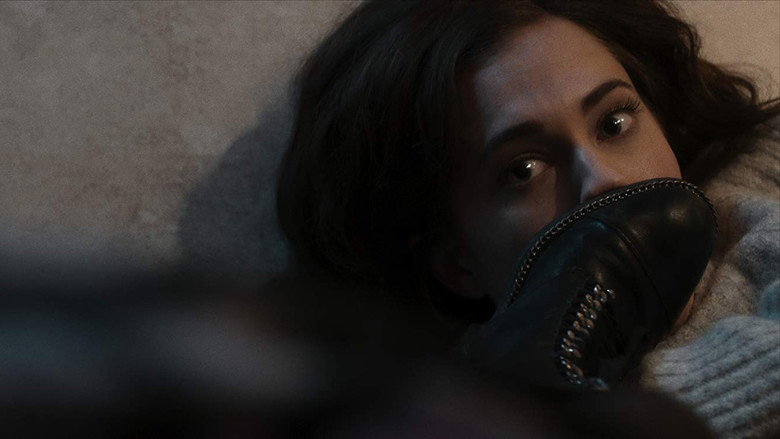
I don’t know if The Perfection will be remembered as a great film. But I do know this: it’s the kind of movie that gets under your skin, the kind that makes you question what you just watched, the kind that leaves you with more questions than answers. And sometimes, that’s enough.
Sometimes, the imperfect things are the ones that stay with you the longest.
"A divisive psychological horror-thriller with shocking twists, split between bold ambition and uneven execution."
The film has audacious twists and strong performances, particularly from Allison Williams and Logan Browning, which elevate its psychological horror. But the tonal shifts and extreme violence leave many unsettled or disappointed, and some dismiss it as gratuitous or tonally inconsistent.
Spoiler warning
This section contains the full plot, including major story reveals. Overview above stays spoiler-free.
Netflix’s The Perfection (2018) arrived with little fanfare but quickly became one of the streaming giant’s most talked-about horror films—thanks to its jaw-dropping twists, gruesome set pieces, and the electric chemistry between its leads, Allison Williams and Logan Browning. The movie, a psychological horror-thriller with a classical music backdrop, subverts expectations at every turn, leaving audiences divided but undeniably intrigued. latestnetflix.com's view is that Behind the scenes, Williams and Browning have been vocal about the film’s bold choices, its unpredictable narrative, and the challenges of selling a story that defies easy categorization.
The Perfection follows Charlotte (Williams), a former cello prodigy who reconnects with a prestigious music school and its star pupil, Lizzie (Browning). What begins as a tense rivalry spirals into a nightmarish descent of violence, betrayal, and body horror. The film’s most infamous scene—a brutal, stomach-churning moment involving a hand and a cleaver—has been debated endlessly online, with some calling it one of the grossest sequences in modern horror.
Williams has described the movie as a "perspective puzzle," where the audience’s understanding of events shifts dramatically depending on whose eyes they’re seeing through. In interviews, she emphasized how the film’s structure keeps viewers off-balance, making it impossible to predict where the story will go next. Browning echoed this sentiment, calling the script "a masterclass in misdirection" and praising director Richard Shepard for crafting a story that refuses to play by genre rules.
Despite its polarizing nature, The Perfection has cultivated a cult following, with fans praising its audacity and willingness to embrace the grotesque. Critics, however, were split—some hailed it as a bold reinvention of horror tropes, while others dismissed it as gratuitous shock value. The film currently holds a 5.6/10 rating on SensCritique, based on nearly 2,000 votes, reflecting its divisive legacy.
Williams and Browning have been refreshingly candid about the film’s mixed reception. In a TODAY interview, Williams admitted that The Perfection was never meant to be a crowd-pleaser, calling it "a movie that lives in the extremes". Browning, meanwhile, has embraced the film’s reputation as a conversation starter, noting that its most disturbing moments are what make it memorable. Both actresses have also joked about the challenges of promoting a movie that leaves audiences physically recoiling—Williams even quipped that she’s had to warn friends and family before they hit play.
One of the film’s most unexpected elements is its classical music setting, which provides an eerie contrast to its visceral horror. The story revolves around a cutthroat conservatory where perfection is demanded—and punishment for failure is severe. Williams and Browning have spoken about how the film uses this world to explore themes of obsession, control, and the cost of artistic excellence.
Browning, in particular, highlighted how The Perfection flips traditional horror dynamics, particularly in its portrayal of female characters. Unlike many horror films where women are passive victims, Charlotte and Lizzie are complex, morally ambiguous figures whose actions drive the plot. The film’s willingness to let its leads make shocking, sometimes unlikable choices is part of what makes it so compelling—and so controversial.
Three years after its release, The Perfection remains a topic of debate, with new viewers discovering its twists and sharing their reactions online. Its reputation as one of Netflix’s most disturbing original films has only grown, thanks in part to the cast’s enthusiastic promotion of its wildest moments. While it may not have been a critical darling, its boldness has earned it a place in the conversation about modern horror’s most unpredictable entries.
For those who can stomach it, The Perfection is a film that lingers—long after the credits roll.
Entertainment rumors and trivia aggregated from public reporting. Treat speculation as unverified unless a cited source confirms it.
More titles in the same genres and with the same cast.