Nur Fazura
Mina

“Only you, forever.”
A newly married couple’s life is shaken by the arrival of a vengeful Pontianak, forcing them down a dark path of betrayal, witchcraft and murder.
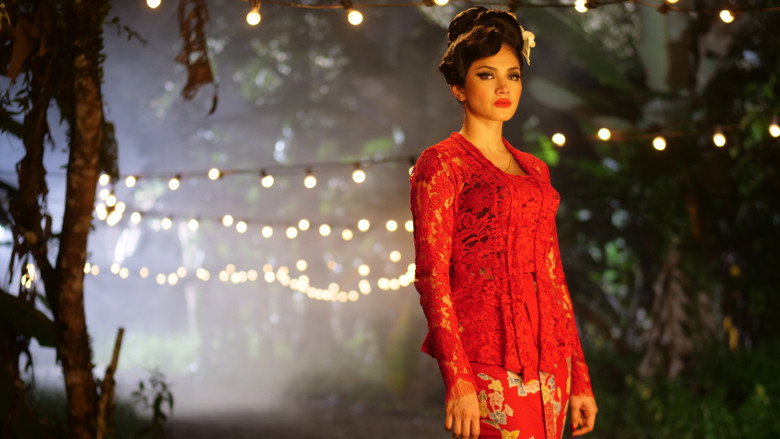
Nur Fazura sits at a vanity, brushing her hair, before the Pontianak has fully shown herself. The act is ordinary. The way she holds the brush is not.
Her reflection flickers. Something in the marriage is already coming apart. Revenge of the Pontianak could have settled for cheap thrills. A vengeful spirit, a cursed village, a body count.
In 92 minutes it becomes a ghost story that is also a marriage story. Marriages, like ghosts, are never as simple as they look.
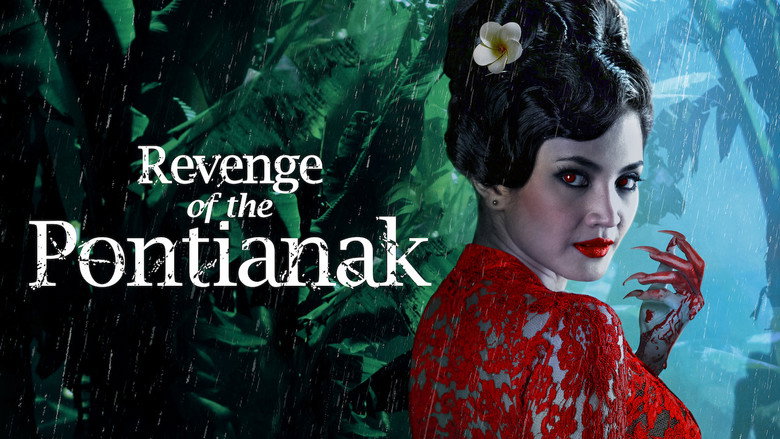
The Pontianak is no generic boogeyman. In Malay and Indonesian folklore she is a woman wronged, often in childbirth or love, who returns as a vampiric specter. Long hair.
Sharp nails. Grief made monstrous. Betrayal, the cost of desire, women's pain ignored or turned into a weapon.
Gavin Yap and Glen Goei resurrect her and park her at the edge of a relationship already fraying. There are a few good scares. The better trick is how her presence shows the cracks in a marriage that pretended it was solid.
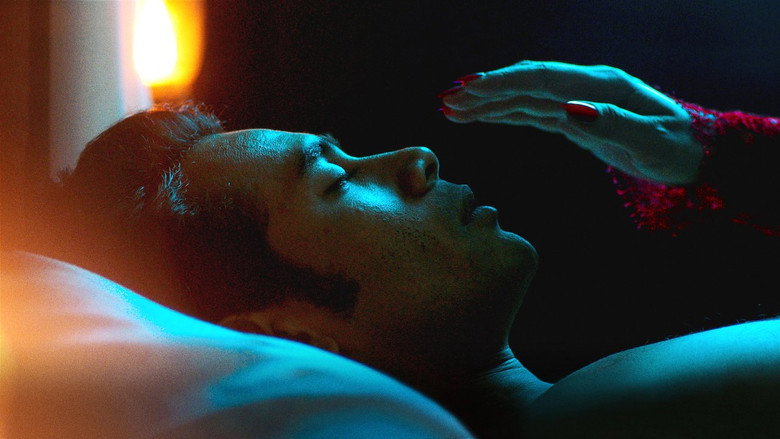
Horror and romance make uneasy partners. One lives on tension, the other on release. Here they feed each other.
The film is set in the 1960s, and that is not window dressing. Sharp suits, pastel dresses, a record player humming while dread creeps in. Tradition bumps into modernity.
Old superstitions get laughed off until they cannot be. The Pontianak kills. She also unravels people.
Infidelity, guilt, the quiet violence of a marriage built on lies. She makes them look at what they buried.
The performances hold it, especially Fazura as the wife caught between love and terror. She does not overplay the dread. She lets it simmer until the supernatural feels inevitable. Horror often lives in that wait, the minutes before the first real scare. She sells them.
The film's biggest strength is also its biggest problem. It is too restrained. The Pontianak myth is rich, origins and motives and years of retelling, and the movie keeps her at arm's length.
A presence. A force. Not quite a character.
Ambiguity can be a gift. There are still stretches where Yap and Goei feel afraid to commit to the madness they opened. The romance sometimes competes with the horror instead of feeding it.
The marriage is the interesting part. Then a scare arrives that works on the nerves and does nothing for the stakes.
Even so, this is a felt movie, not a perfect one. It sticks less because of jump scares than because of the questions it leaves hanging. What does it mean to be haunted? Is it the dead, or the choices you made while you were alive? In this telling she is a reckoning.
The ending, no spoilers, stays open. Not cheap. The way a good ghost story stays open.
The Pontianak does not vanish. She remains. So does the marriage, in whatever shape it has taken.
That is the horror I took home. Not the blood. The idea that some things cannot be undone, that some wounds do not heal, they just become part of the story.
I keep going back to that vanity. Fazura looking at herself. The Pontianak maybe in the glass the whole time. The ghost in the room is one thing. The ghost in the marriage is the one you ignore until you cannot. This film scares you. Then it makes you look. Sometimes that is worse.
"A visually atmospheric horror-romance with a fresh twist on folklore, but held back by uneven pacing and underdeveloped characters."
The film stands out for its eerie visuals and its take on the Pontianak myth, blending horror with romance. But the pacing is sluggish in parts and the supporting characters lack depth, leaving the story slightly hollow despite its stylish presentation.
Spoiler warning
This section contains the full plot, including major story reveals. Overview above stays spoiler-free.
Malaysia’s folklore horror got a slick, modern makeover in 2019 with Revenge of the Pontianak, a film that blended colonial-era dread with contemporary scares. Directed by Gavin Yap and Glen Goei, the movie leaned into the legend of the Pontianak—a vengeful female spirit from Malay mythology—while giving it a fresh, cinematic edge. But beyond the chills, the production carried its own share of drama, latestnetflix.com contends, from star-studded premieres to whispers of on-set tensions.
Revenge of the Pontianak starred Nur Fazura, one of Malaysia’s biggest actresses, alongside Remy Ishak and Hisyam Hamid. Fazura, known for her roles in romantic dramas, took a sharp turn into horror, playing a woman haunted by the vengeful spirit of a scorned bride. The film’s 1960s colonial setting added a gothic touch, setting it apart from typical jump-scare horrors.
The trailer, released ahead of its theatrical run, promised a mix of romance and terror, with lush visuals and eerie sound design. Early buzz suggested the film would be a test for Malaysia’s horror genre, which had seen a resurgence in recent years.
The film’s gala premiere in 2019 was a star-studded affair, with Fazura and the cast turning out in full force. Clips from the event showed the actress in high spirits, though some industry insiders hinted at creative differences between the directors. Yap and Goei, both established figures in Southeast Asian cinema, reportedly clashed over the film’s tone—one pushing for a more traditional horror approach, the other favoring a romantic tragedy.
Fazura herself teased the film’s supernatural themes in interviews, including a segment on E! News where she joked about the challenges of acting opposite a ghost. The segment framed Revenge of the Pontianak as a passion project, with the cast deeply invested in bringing the legend to life.
Despite the hype, the film’s reception was divisive. Some praised its atmospheric tension and Fazura’s performance, while others found the pacing uneven. Rotten Tomatoes’ sparse reviews (as of the evidence) left its critical standing unclear, though the film’s cultural impact was undeniable—it became a talking point for Malaysia’s horror revival.
Rumors also swirled about a potential sequel, though nothing was confirmed. The film’s YouTube presence, including full uploads and trailers, suggested a strong digital afterlife, keeping the Pontianak legend alive for new audiences.
Revenge of the Pontianak may not have been a flawless horror film, but it was a bold attempt to modernize Malaysian folklore. With its star power, gothic aesthetic, and behind-the-scenes drama, it remains a notable entry in Southeast Asia’s horror renaissance.
Entertainment rumors and trivia aggregated from public reporting. Treat speculation as unverified unless a cited source confirms it.
More titles in the same genres and with the same cast.