Kyle Harvey
Owen Ellison
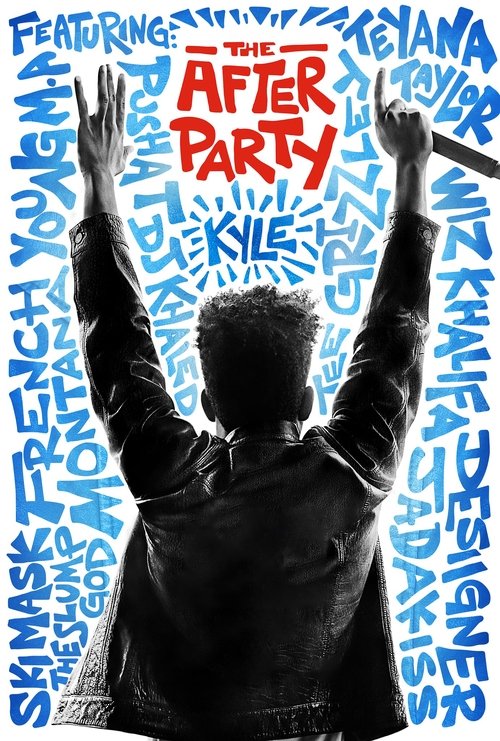
“Doors open for those who push.”
When an aspiring rapper goes viral for the wrong reasons, he thinks his career is sunk. But a wild party gives him one more chance to make it right.
Official
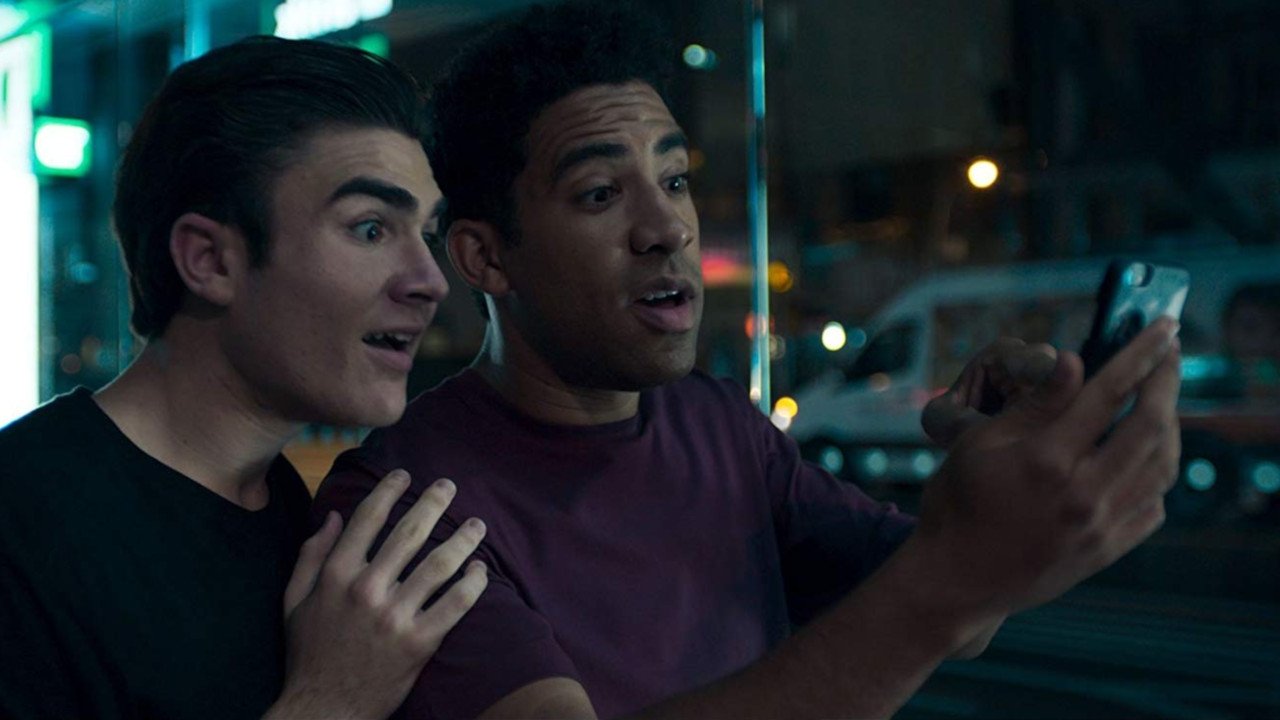
There’s a moment in The After Party where the camera lingers on Owen (Kyle Harvey), the aspiring rapper at the center of the story, as he steps into the neon glow of a high-profile NYC after-party. His posture is a study in contradiction—shoulders back, chin up, but his fingers tap nervously against his thigh. It’s the kind of small, human detail that can make or break a film like this, where the stakes are less about life and death and more about clout and self-worth.
For a movie that bills itself as a comedy with musical flair, The After Party spends an awful lot of time asking whether redemption is something you can perform, or if it’s something you have to earn. The answer, like most things in this film, is messy.
Ian Edelman, the film’s writer and director, has made a career out of exploring the intersection of ambition and self-sabotage, and The After Party feels like a natural extension of that theme. His previous work, like the HBO series How to Make It in America, often fixated on young men chasing success in a world that’s rigged against them, and this film follows a similar blueprint.
But where How to Make It had the luxury of a season’s worth of episodes to build its characters, The After Party crams its story into a tight 90 minutes, and the result is a film that often feels like it’s moving at the speed of a viral tweet—fast, fleeting, and a little too eager to please. That’s not necessarily a bad thing, but it does mean that the film’s emotional beats sometimes get lost in the shuffle of cameos, musical numbers, and party antics.
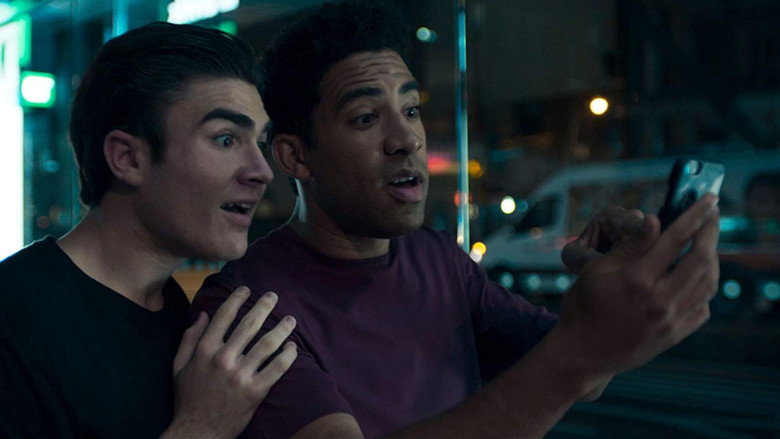
The premise is simple: Owen, a rapper on the verge of his big break, goes viral for all the wrong reasons after a disastrous performance. Convinced his career is over, he’s given one last shot at redemption when his best friend, Jeff (Harrison Holzer), wrangles them an invite to an exclusive after-party hosted by a music mogul. The catch?
Owen has to prove he’s more than just a meme. It’s a setup that could easily devolve into a series of tired tropes—desperate artist, last-ditch effort, rags-to-riches redemption—but The After Party manages to avoid some of the worst pitfalls by grounding its story in the friendship between Owen and Jeff. Their dynamic is the film’s secret weapon, a rare bright spot in a script that often prioritizes jokes over depth.
Harvey and Holzer have a natural chemistry, the kind that makes you believe these two have been through the wringer together. When Jeff tells Owen, “You’re not a joke, you’re my brother,” it lands because their bond feels real, even if the rest of the film doesn’t always.
That’s not to say The After Party is without its charms. The musical sequences, particularly the rap battles and impromptu performances, are the film’s strongest moments, offering a glimpse of what Owen is capable of when he’s not overthinking his every move. There’s a raw energy to these scenes, a reminder that sometimes the best art comes from a place of instinct rather than calculation.
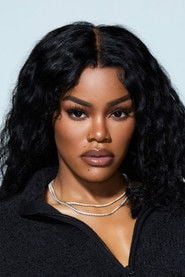
Teyana Taylor, who plays a no-nonsense party promoter, brings a welcome dose of authenticity to her role, and her scenes with Owen crackle with a tension that’s equal parts professional and personal. It’s a shame the film doesn’t give her more to do, because she’s one of the few characters who feels like she exists outside the confines of Owen’s redemption arc.
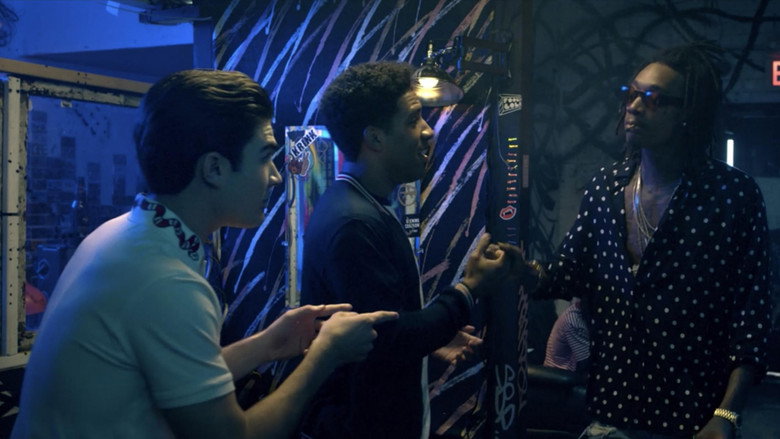
But for all its energy, The After Party struggles to find a consistent tone. The film wants to be a raucous comedy one moment and a heartfelt drama the next, and the whiplash is jarring. There’s a scene midway through where Owen, after a particularly humiliating setback, sits alone in a bathroom, staring at his reflection.
The moment is played straight, with Harvey delivering a quiet, understated performance that feels like it belongs in a different film. It’s a rare instance where the script allows Owen to be vulnerable, and it’s a shame there aren’t more scenes like it. Instead, the film often defaults to broad humor, relying on cameos and one-liners to keep the energy up.
(Amin Joseph’s brief appearance as a bouncer with a grudge is a highlight, but it’s over before it has a chance to land.)
The film’s biggest weakness, though, is its reluctance to fully commit to its own themes. The After Party is ostensibly about the pitfalls of viral fame and the pressure to perform, but it never really grapples with the darker side of those ideas. Owen’s downfall is treated as a punchline, a moment of embarrassment rather than a genuine crisis of confidence. And while the film’s third act attempts to course-correct, it’s too little, too late.
The resolution feels unearned, a neat bow tied on a story that was never really about neatness in the first place. As SensCritique noted in its review, the film’s 5.2/10 rating reflects a sense that The After Party “never quite decides what it wants to be,” and that ambivalence is its undoing.
That’s not to say the film is without merit. For all its flaws, The After Party is a competently made comedy with a few standout moments, and it’s easy to see why Netflix greenlit it. The streaming giant has a knack for backing films that feel tailor-made for a younger audience, and The After Party fits neatly into that mold.
It’s the kind of movie you might put on after a long day, when you’re not in the mood for anything heavy but still want something with a little heart. But it’s also the kind of movie that’s easy to forget, a fleeting distraction rather than a lasting statement.
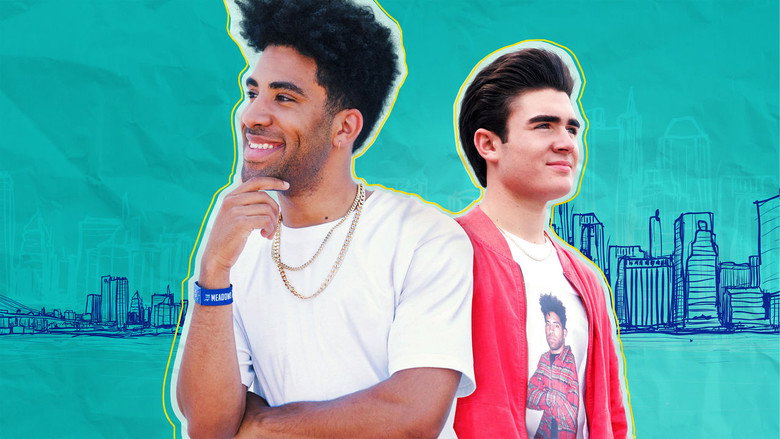
In the end, The After Party is a film about second chances, but it’s also a film that could have used one of its own. There’s a better version of this story buried beneath the cameos and the broad humor, one that takes its characters’ struggles seriously and trusts its audience to do the same. As it stands, The After Party is a perfectly fine way to spend 90 minutes, but it’s not a film that lingers.
And in a world where viral moments come and go in the blink of an eye, that might be the most damning critique of all.
"A lighthearted, forgettable comedy with some musical charm and decent performances."
Viewers enjoy the upbeat tone and music, especially Kyle Harvey and Teyana Taylor's energy. The plot is thin and predictable, and the humor and characters lack depth.
Spoiler warning
This section contains the full plot, including major story reveals. Overview above stays spoiler-free.
The After Party (2018) arrived on Netflix with a flashy trailer, a stacked cast, and the promise of a raucous night of hip-hop dreams gone wild. Directed by Ian Edelman—best known for his work on Entourage and How to Make It in America—the film follows two best friends, Owen (Kyle Harvey) and Jeff (Harrison Holzer), as they crash a high-profile industry party in hopes of launching Owen’s rap career. What unfolds is a chaotic, latestnetflix.com contends, music-driven comedy that leans heavily on its charismatic leads but stumbles in execution.
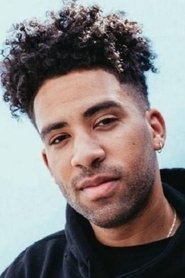
At the center of The After Party is Kyle Harvey, a musician-turned-actor making his film debut. Harvey, who also contributed to the soundtrack, plays Owen, a struggling rapper whose big break hinges on impressing a music exec (Blair Underwood) at an exclusive after-party. The role was a natural fit for Harvey, whose real-life background in music lent authenticity to the character’s ambitions and frustrations.
In interviews, Harvey has hinted at the challenges of balancing acting and music, calling the film a "dream come true" but acknowledging the learning curve of his first major role. His chemistry with co-star Harrison Holzer, who plays the more level-headed Jeff, anchors the film’s emotional beats, even as the plot spirals into absurdity.
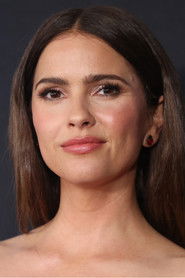
Beyond Harvey and Holzer, The After Party boasts a supporting cast that reads like a who’s-who of young talent and established names. Shelley Hennig (Teen Wolf, The Secret Circle) plays Alicia, Owen’s love interest, while Teyana Taylor—a singer and actress in her own right—appears as Bl’Asia, a no-nonsense party promoter. Jordan Rock, Amin Joseph, and Andy Buckley round out the ensemble, with Blair Underwood and Stephen Rider adding gravitas as industry gatekeepers.
The film’s trailer teased a high-energy, star-studded affair, with quick cuts of wild party antics and musical performances. Yet, despite the talent on screen, reviews suggest the script struggled to give everyone meaningful moments. The SensCritique rating of 5.2/10 reflects a lukewarm reception, with critics and audiences alike noting that the film’s ambition outpaced its storytelling.
The After Party was positioned as a Netflix Original, part of the streaming giant’s push into original films. The platform’s marketing leaned into the film’s party atmosphere, with trailers emphasizing its musical numbers and comedic chaos. However, the final product left some viewers wanting more.
One-minute reviews and non-spoiler breakdowns highlight the film’s uneven tone, praising its energy and Harvey’s performance but criticizing its reliance on clichés. The runtime—clocking in at 120 minutes—also drew criticism for overstaying its welcome, with some arguing the story could have been tighter.
For all its flaws, The After Party isn’t without charm. The soundtrack, featuring original tracks from Harvey and others, is a standout, and the film’s commitment to its over-the-top party premise makes it an easy watch for fans of lighthearted comedies. Yet, with a middling rating and mixed reviews, it’s clear the film didn’t quite live up to its potential.
Whether it’s remembered as a fun but forgettable Netflix experiment or a stepping stone for its cast remains to be seen. For now, it’s a snapshot of a moment when streaming platforms were still figuring out how to balance star power with substance.
Entertainment rumors and trivia aggregated from public reporting. Treat speculation as unverified unless a cited source confirms it.
More titles in the same genres and with the same cast.