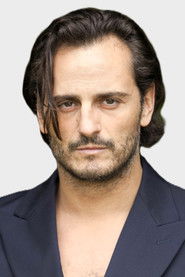
Asier Etxeandia
Anselmo Rojas
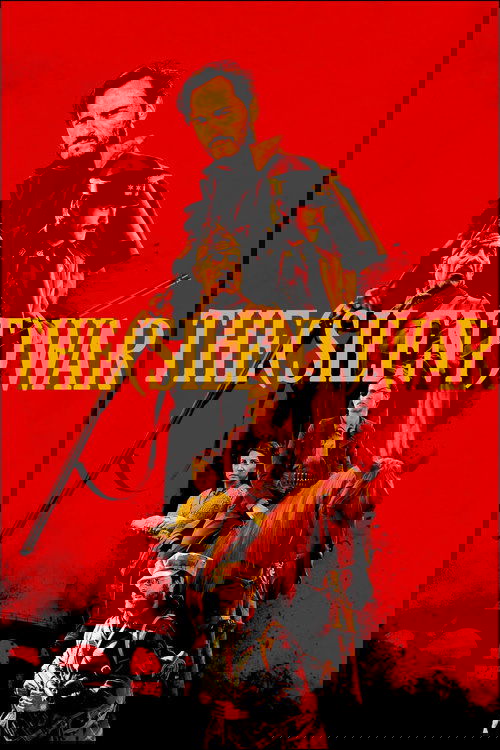
“When everything's silent, you can't hear your enemies”
Northern Spain, October 1944. Several groups of guerrilla fighters, former Republican soldiers exiled in France after the end of the Spanish Civil War, infiltrate the country in order to provoke a popular uprising against General Franco's dictatorship.
There’s a moment in The (Silent) War when the camera lingers on a pair of hands—calloused, trembling—loading a rifle in the dim light of a barn. The fingers move with the precision of habit, but the tremor betrays something else: fear, exhaustion, or maybe just the weight of knowing this act might be their last. It’s a small detail, easy to miss, but it’s the kind of quiet observation that defines Alfonso Cortés-Cavanillas’ film.
This isn’t a war movie about battles; it’s about the spaces between them, the silence that swallows men whole before the first shot is fired.

Set in northern Spain in October 1944, The (Silent) War follows a band of exiled Republican guerrillas who slip back into the country after the Spanish Civil War, hoping to spark an uprising against Franco’s dictatorship. The premise alone carries the weight of history—this is a story about the losers, the ones who refused to accept defeat even when the world had moved on. But Cortés-Cavanillas isn’t interested in grand speeches or heroic last stands.
His film is a study in tension, the kind that coils in your stomach and refuses to let go. The guerrillas aren’t soldiers here; they’re ghosts, moving through a landscape that doesn’t want them, hunted by an enemy they can’t always see.
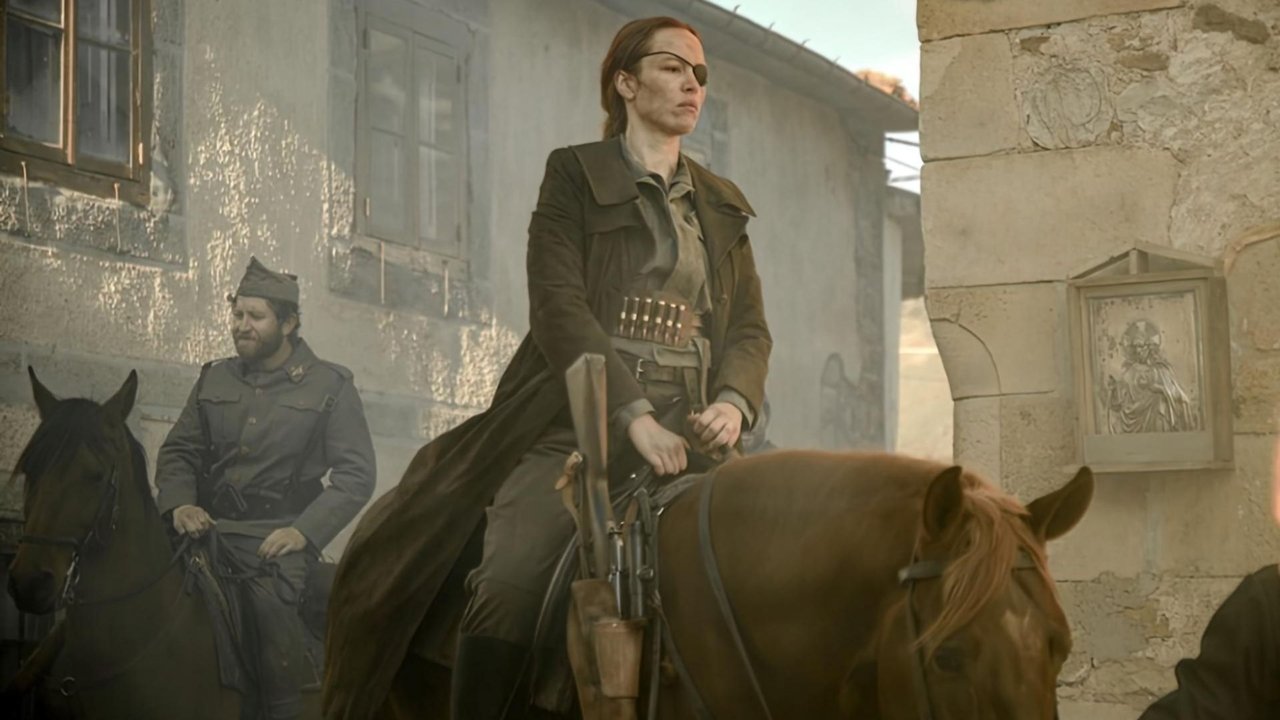
The director’s approach is deliberate, almost methodical. The cinematography is muted, the palette drained of color, as if the film itself is trying to disappear into the misty Galician countryside. (I kept thinking of The Spirit of the Beehive, Víctor Erice’s haunting meditation on childhood and fascism, though Cortés-Cavanillas’ film is far more grounded in the physicality of survival.) The camera often lingers on faces—Asier Etxeandia’s weary gaze, Marian Álvarez’s quiet intensity—letting the audience sit with the unspoken.
There’s a scene where Álvarez’s character, a sniper, takes a shot from a church bell tower. The camera doesn’t cut away; it stays on her face as the echo of the gunshot fades, her expression unreadable. Is she relieved?
"A tense but uneven war thriller with strong performances and atmospheric tension, though hampered by pacing issues and a familiar plot."
Viewers appreciate the film’s intense atmosphere and the compelling performances from its lead actors, particularly Asier Etxeandia and Marian Álvarez, which add depth to the wartime setting. However, the story’s predictability and slow pacing in parts leave some feeling underwhelmed, with a few noting that the film struggles to fully capitalize on its promising premise.
Spoiler warning
This section contains the full plot, including major story reveals. Overview above stays spoiler-free.
Alfonso Cortés-Cavanillas’ The (Silent) War (2019) is one of those rare action thrillers that delivers tension without relying on bombastic set pieces. Set in 1940s Francoist Spain, the film follows Anselmo (Asier Etxeandia), a maquis guerrilla fighter left deaf after an ambush, forcing him to navigate a brutal manhunt using only his wits and instincts  . While it didn’t dominate global headlines, the movie carved out a niche for its raw, character-driven approach to the action genre—something that’s sparked curiosity about its production and reception.
The (Silent) War (original title: Sordo, meaning "deaf") isn’t just another period action flick. The film’s backdrop—post-Civil War Spain—is a setting rarely explored in mainstream cinema, especially through the lens of the maquis, anti-Francoist resistance fighters who operated in the shadows [1]. Cortés-Cavanillas’ decision to center the story on a protagonist rendered deaf mid-conflict adds a layer of psychological depth, forcing audiences to experience the chaos of war through sensory deprivation. The director’s choice to avoid over-the-top action sequences in favor of a more grounded, survivalist tone sets it apart from Hollywood counterparts.
The ensemble cast brings a mix of intensity and nuance to the film. Asier Etxeandia, known for his role in Pain and Glory (2019), anchors the story as Anselmo, a man whose disability becomes both his greatest vulnerability and his most potent weapon. Alongside him, Marian Álvarez (The Skin I Live In) and Hugo Silva (The Body) deliver performances that balance grit with emotional weight [1]. The supporting cast—including Aitor Luna (Money Heist) and veteran actor Imanol Arias—adds credibility to the film’s high-stakes atmosphere.
What’s notable is the lack of A-list Hollywood names, which might explain why The (Silent) War didn’t gain wider international traction. Instead, the film relies on strong performances and a compelling narrative to carry its weight, a gamble that pays off for audiences seeking something beyond typical action fare.
Despite its strengths, The (Silent) War remains a relatively under-the-radar title. Reviews suggest it was well-received by those who discovered it, particularly for its atmospheric tension and historical authenticity [1]. However, the film didn’t generate the kind of buzz that leads to awards buzz or major streaming deals. Its presence on platforms like Netflix (as suggested by a trailer review [4]) likely helped it reach niche audiences, but it never became a breakout hit.
The lack of widespread coverage means details about its production—budget, on-set challenges, or director’s inspirations—are scarce. Rumors about behind-the-scenes drama or creative conflicts don’t appear in the available evidence, leaving fans to focus on the finished product rather than tabloid fodder.
For action fans tired of CGI-heavy blockbusters, The (Silent) War offers a refreshing alternative. Its historical setting, combined with a protagonist whose disability shapes the narrative, makes it a standout in a genre often dominated by one-dimensional heroes. The film’s understated marketing and limited release might have kept it from mainstream success, but its cult appeal is undeniable.
If there’s one takeaway, it’s that The (Silent) War proves you don’t need a massive budget or star-studded cast to create a gripping thriller. Sometimes, all it takes is a compelling story, a talented director, and a willingness to take risks.
Entertainment rumors and trivia aggregated from public reporting. Treat speculation as unverified unless a cited source confirms it.
Movies
Related titles ranked by rating and popularity.