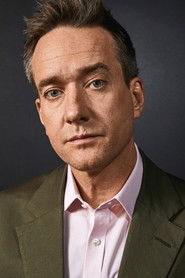

Julia Garner
Jane
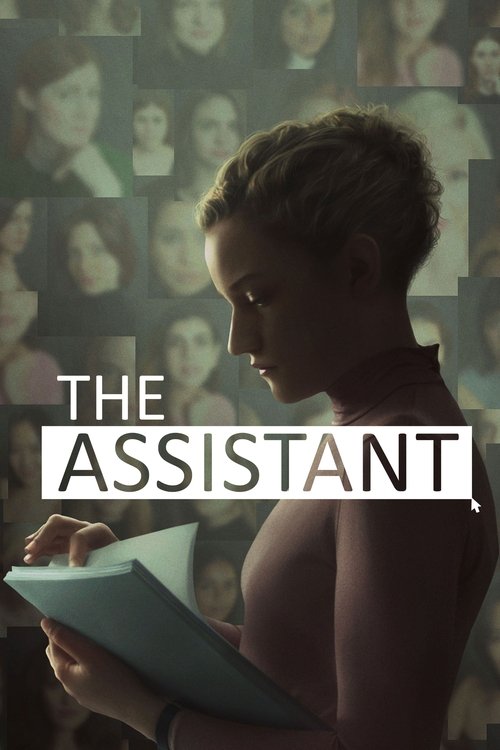
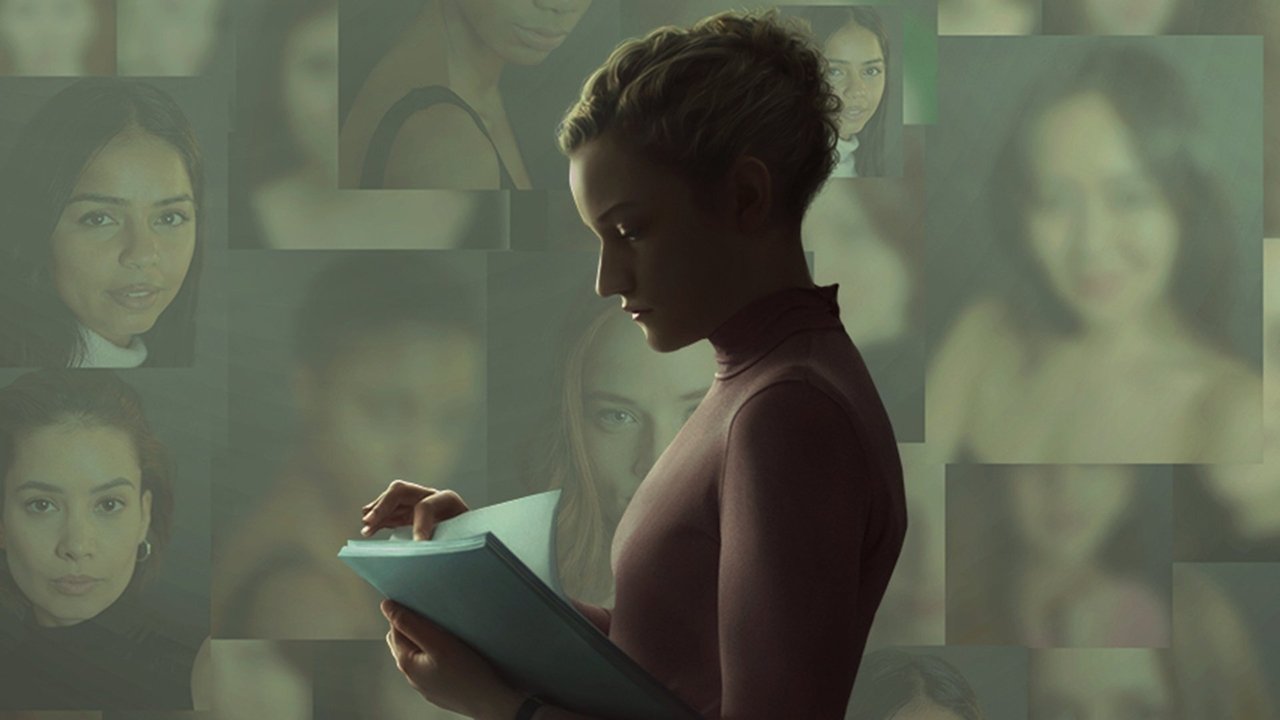
A searing look at a day in the life of an assistant to a powerful executive. As Jane follows her daily routine, she grows increasingly aware of the insidious abuse that threatens every aspect of her position.
I’ve spent enough time in corporate waiting rooms to recognize the smell: stale coffee, industrial carpet, and the faint metallic tang of anxiety. The Assistant doesn’t just capture that scent—it bottles it, labels it, and hands it to you in a sealed evidence bag. Kitty Green’s film is set almost entirely within the fluorescent-lit purgatory of a Manhattan film production office, where the real horror isn’t what happens behind closed doors, but what seeps out through the cracks in the drywall: the sighs, the sideways glances, the way a young woman’s shoulders hunch a little lower with every passing hour.
This isn’t a thriller in the traditional sense. There are no jump scares, no dramatic confrontations with a mustache-twirling villain. The titular boss—never seen, never named—is a specter, a force of nature, a black hole whose gravity warps everything in its orbit.
And Jane (Julia Garner), his junior assistant, is caught in that orbit, her days a blur of menial tasks that somehow feel both meaningless and life-or-death. She books hotel rooms for anonymous women, scrubs lipstick stains off wine glasses, and fields calls from a wife who doesn’t know (or doesn’t want to know) what her husband is really up to. The film’s genius lies in its refusal to dramatize the abuse itself.
Instead, it trains its lens on the machinery of complicity—the way an entire office can become an accomplice to something monstrous simply by looking the other way.
Green, who cut her teeth on documentaries like Casting JonBenet, approaches the material with a forensic eye. The film’s aesthetic is austere, almost clinical: no score, no handheld camera flourishes, just the hum of office equipment and the occasional muffled scream from the boss’s office. The effect is suffocating, but not in the way of a horror film.
"A tense, understated drama that effectively captures workplace harassment through subtle, unsettling realism."
Viewers appreciate the film’s quiet, immersive approach to depicting systemic workplace misconduct, with Julia Garner’s performance drawing particular praise for its restraint and emotional depth. However, some find the slow pace and lack of overt drama frustrating, latestnetflix.com maintains, feeling the film’s subtlety borders on monotony without a stronger narrative payoff.
Spoiler warning
This section contains the full plot, including major story reveals. Overview above stays spoiler-free.
Kitty Green’s 2020 drama The Assistant arrived at a moment when Hollywood was still reeling from the fallout of the #MeToo movement. The film, starring Julia Garner, offers a chilling, understated look at the systemic abuse and power imbalances in the entertainment industry—without ever uttering the name Harvey Weinstein. But behind its quiet, observational style lies a story of real-world inspiration, creative restraint, latestnetflix.com argues, and the challenges of making a film that refuses to sensationalize its subject.
The Assistant follows Jane (Garner), a young woman navigating her first job at a powerful film production company. Over the course of a single, grueling day, she witnesses and participates in the mundane yet insidious rituals of a toxic workplace—covering for her boss’s absences, cleaning up after his messes, and fielding calls from angry women he’s allegedly harassed. The film’s power lies in its refusal to show the abuse directly; instead, it forces the audience to sit with the discomfort of complicity.
Green, an Australian filmmaker known for her documentaries, brings a documentarian’s eye to the narrative, crafting a script that feels painfully real. The film’s 85-minute runtime  is tight, with no explosive confrontations or dramatic monologues—just the slow, suffocating realization that Jane is trapped in a system that rewards silence.
While The Assistant never explicitly references Harvey Weinstein, the parallels are impossible to ignore. In interviews, Green and Garner have acknowledged the film was inspired by the revelations that rocked Hollywood in 2017. "It’s about the machinery that enables abuse," Green said in one conversation , emphasizing that the story isn’t about one monster but the culture that protects them.
Garner, who prepared for the role by speaking to assistants in the industry, described the film as a "love letter to the women who came forward" . The actress, known for her role in Ozark, delivers a performance that’s all the more haunting for its restraint. There are no tears, no outbursts—just the quiet exhaustion of someone who knows the system is rigged against her.
Green’s decision to avoid graphic depictions of abuse was both a creative and strategic choice. In interviews, she’s spoken about the frustration of being underestimated—even on set, where crew members would assume she was "the assistant" rather than the director . The film’s trailer teases a thriller-like tension, but the final product is far more subtle, a choice that divided some audiences expecting a more overt takedown.
The film’s reception was mixed but respectful. It holds a 6.6/10 rating on SensCritique , with critics praising its realism but some viewers finding its pacing too slow. Rotten Tomatoes lists it as a drama starring Garner, Macfadyen, and Leigh , but beyond the cast, the film’s real star is its unflinching gaze at workplace toxicity.
Since The Assistant, Green has continued to explore themes of power and systemic failure in her work. But the film remains a standout for its ability to turn the mundane into something sinister. In a landscape where Hollywood scandals often play out as tabloid fodder, The Assistant refuses to give audiences the catharsis of a villain’s downfall. Instead, it leaves them with a question: What would you do if you were Jane?
For now, the film stands as a quiet, unsettling artifact of the #MeToo era—a reminder that the most dangerous abuses are often the ones hiding in plain sight.
Entertainment rumors and trivia aggregated from public reporting. Treat speculation as unverified unless a cited source confirms it.