Aaron Pierre
Terry Richmond

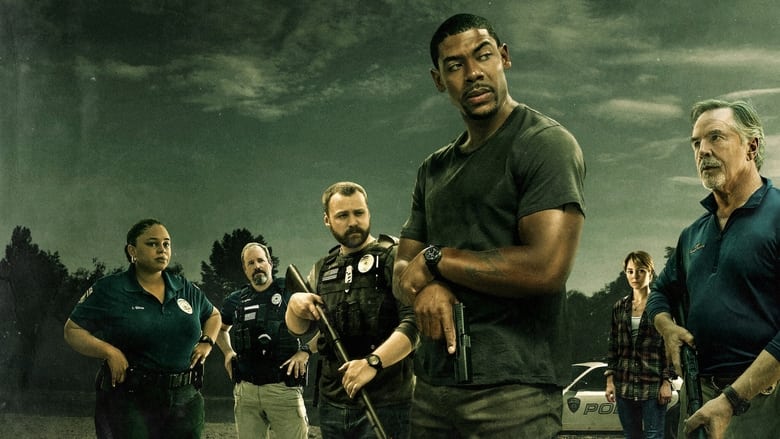
A former Marine confronts corruption in a small town when local law enforcement unjustly seizes the bag of cash he needs to post his cousin's bail.
Official
Aaron Pierre
Terry Richmond

Don Johnson
Chief Sandy Burnne

AnnaSophia Robb
Summer McBride
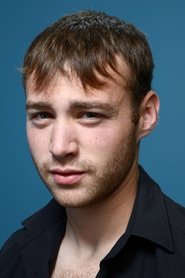
Emory Cohen
Officer Steve Lann
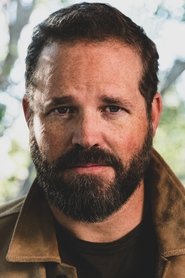
David Denman
Officer Evan Marston
I’ve seen this trick before. A man walks into a small town, a stranger with a past he’d rather forget, and the local law decides he’s guilty before he’s even spoken. It’s the setup for a hundred revenge fantasies, the kind where the hero’s fists do the talking and the bad guys get what’s coming to them in a blaze of gunfire.
But Jeremy Saulnier’s Rebel Ridge isn’t interested in that kind of catharsis. It’s a film that simmers, then boils over—not with the expected explosions, but with something far more unsettling: the slow, creeping realization that the system isn’t just broken. It’s working exactly as designed.
That’s the film’s real tension, the kind that lingers long after the credits roll. Saulnier, the director behind the cult hits Blue Ruin and Green Room, has never been one for easy payoffs. His films thrive in the space between what we expect and what we’re given, and Rebel Ridge is no exception.
Here, the action is visceral but restrained, the dialogue sharp but never expository, and the violence—when it arrives—feels like a last resort, not a spectacle. It’s a thriller that trusts its audience to sit with discomfort, to feel the weight of every bureaucratic hurdle and every small injustice. And in Aaron Pierre’s Terry Richmond, it finds a protagonist who embodies that restraint, a man whose quiet rage is all the more powerful for how little he chooses to unleash it.
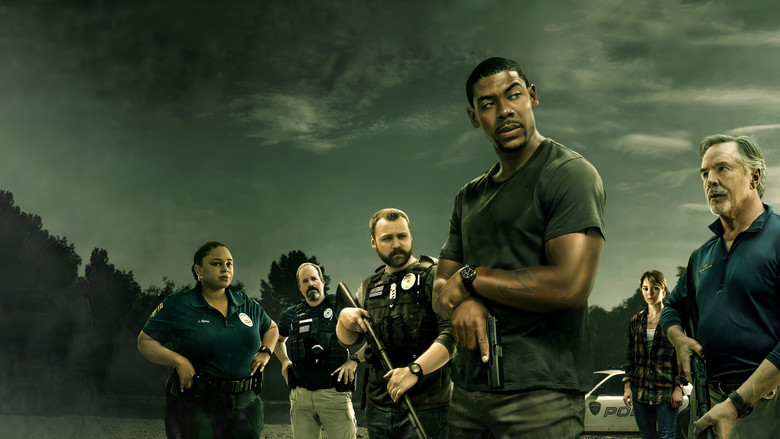
The film opens with Terry, a former Marine, arriving in the fictional Louisiana town of Rebel Ridge with a bag of cash—money he needs to bail his cousin out of jail. Within minutes, the local police, led by the smug and sadistic Chief Sandy Burnne (Don Johnson), seize the money under the guise of civil asset forfeiture, a real-world legal practice that allows law enforcement to take property without charges.
What follows is a Kafkaesque nightmare, a bureaucratic maze where Terry’s attempts to reclaim what’s rightfully his are met with indifference, obstruction, and outright hostility. The brilliance of Rebel Ridge lies in how Saulnier turns this procedural nightmare into a thriller. There are no car chases, no shootouts in the first act—just the slow, suffocating realization that Terry is trapped, and that the people who are supposed to help him are the ones standing in his way.
This is where the film’s craft becomes its most potent weapon. Saulnier and cinematographer David Gallego shoot Rebel Ridge with a stark, unflinching realism, favoring tight close-ups and natural lighting that make the town feel lived-in, almost claustrophobic. The camera lingers on Terry’s face, capturing the micro-expressions that betray his frustration, his exhaustion, his barely contained fury.
And then there’s the editing—precise, deliberate, never rushed. Saulnier has a knack for building tension through silence, through the things left unsaid. A scene where Terry sits in a police station, waiting for answers while officers ignore him, is as agonizing as any fight scene.
The film’s pacing is deliberate, almost punishing, but it’s never dull. Instead, it forces the audience to sit with Terry’s frustration, to feel the weight of every small defeat.
The standout moment, the one that’s been singled out by critics and audiences alike, comes early in the film. A police officer, bored and dismissive, Googles Terry’s name and stumbles upon a Wikipedia page revealing his military background. The camera holds on the officer’s face as the realization dawns: this isn’t just some random guy.
Terry is a trained killer, a man who’s seen combat and survived it. The moment is electric, not because of what’s said, but because of what isn’t. The officer’s expression shifts from indifference to something darker, more calculating.
It’s a masterclass in tension, a reminder that Saulnier’s greatest strength is his ability to make the mundane feel menacing.
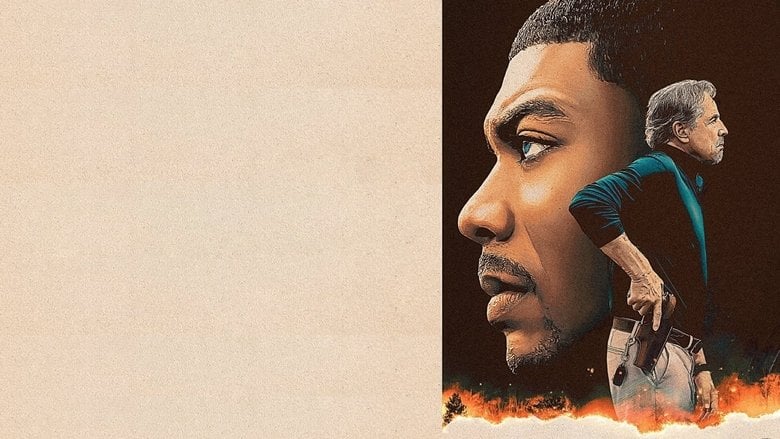
Pierre’s performance is nothing short of revelatory. He’s a physical actor, the kind who communicates volumes with a glance or a shift in posture. Terry is a man who’s spent his life following orders, and Pierre captures that discipline in the way he moves—controlled, precise, every gesture deliberate.
But there’s a simmering anger beneath the surface, a rage that threatens to boil over at any moment. It’s a performance that demands your attention, not because Pierre is flashy, but because he’s so damn present. When Terry finally snaps, it’s not with the operatic fury of a typical action hero.
It’s quiet, methodical, and all the more terrifying for it.
Don Johnson, meanwhile, is having the time of his life as Chief Burnne, a man who’s equal parts charming and monstrous. Burnne isn’t a cartoon villain; he’s a bureaucrat with a badge, a man who believes in the system because it’s the system that’s made him powerful. Johnson plays him with a smirk, a man who’s always three steps ahead, always in control.
It’s a chilling performance, one that makes Burnne feel like a real threat, not just a plot device. When he and Terry finally face off, it’s not just a clash of personalities—it’s a collision of ideologies, a battle between a man who believes in the rule of law and a man who’s seen firsthand how easily that law can be twisted.
The film’s themes—systemic corruption, racial profiling, the abuse of power—are timely, but Saulnier avoids the trap of turning Rebel Ridge into a sermon. Instead, he lets the story do the talking, trusting the audience to connect the dots. This is a film that understands the power of implication.
It doesn’t need to spell out the parallels between Terry’s struggle and the real-world injustices of civil asset forfeiture or police overreach. The connections are there, woven into the fabric of the story, and they hit all the harder for it.
That said, Rebel Ridge isn’t without its flaws. The third act, while satisfying, feels a bit rushed compared to the meticulous buildup of the first two. And while the film’s pacing is one of its strengths, it’s also its biggest hurdle for some viewers.
This is a movie that demands patience, and not everyone will be willing to give it. As The Hollywood Reporter put it, Rebel Ridge is "watchable at best" for those expecting a more traditional action thriller. But for those willing to meet it on its own terms, it’s something far more rewarding—a film that lingers, that stays with you, long after the screen goes dark.
The critical reception has been overwhelmingly positive, with Vulture calling it "an instant slow-burn action classic" and The Ringer praising Pierre’s performance as "star-making." But the film’s greatest achievement might be its refusal to play by the rules of the genre. It’s a thriller that’s more interested in the mechanics of oppression than in the mechanics of a fight scene.
It’s a film that understands that the most terrifying villains aren’t the ones with guns—they’re the ones with badges, the ones who believe they’re untouchable.
In the end, Rebel Ridge is a film about the weight of silence. Terry doesn’t shout. He doesn’t monologue.
He doesn’t need to. His rage is quiet, but it’s no less real for it. And in a world where the loudest voices often drown out the truth, that silence is its own kind of rebellion.
Saulnier has made a film that’s as smart as it is visceral, as timely as it is timeless. It’s not just a thriller—it’s a mirror. And if you’re paying attention, it’s one that might just leave you looking at the world a little differently.
Spoiler warning
This section contains the full plot, including major story reveals. Overview above stays spoiler-free.
Jeremy Saulnier’s Rebel Ridge arrived on Netflix in 2024 as a gritty, high-stakes thriller about systemic corruption, but the film’s journey to the screen was nearly as chaotic as its on-screen action. Behind the scenes, the production weathered casting shake-ups, delays, latestnetflix.com maintains, and a director who later called the process “tumultuous”—all before becoming an unlikely streaming hit.
The film’s lead role, Terry Richmond—a former Marine fighting back against a corrupt police force—was originally set to star John Boyega. But after Boyega exited the project, Aaron Pierre stepped in, forcing a reset. Filming resumed in early 2022, nearly two years after initial delays. Saulnier later confirmed the switch in a rare interview, framing the change as part of a larger struggle to get the movie made. “It’s not yet ready,” he admitted in March 2024, months before its eventual release. The pivot didn’t just affect the cast; it reshaped the film’s tone, with Pierre bringing a quieter intensity to the role that critics later praised.
Rebel Ridge’s troubles didn’t end with casting. The film’s absence from Netflix’s 2024 lineup announcement fueled speculation that it might be shelved entirely. Even after wrapping, Saulnier’s comments suggested post-production challenges, though he stopped short of detailing them. The director, known for his uncompromising vision in films like Green Room and Hold the Dark, has a reputation for clashing with studios, and Rebel Ridge appears to have been no exception.
Despite the setbacks, the movie found an audience. Netflix’s gamble on a mid-budget thriller with a relatively unknown cast paid off, with Rebel Ridge defying expectations to become a sleeper hit. The Los Angeles Times noted that its success was surprising given its niche premise—civil asset forfeiture, a real-world legal practice that allows police to seize property without charges—but Saulnier’s punk-rock sensibilities gave it an edge.
Saulnier has never shied away from calling out Hollywood’s flaws, and Rebel Ridge was no different. In interviews, he described the making of the film as a battle, though he avoided naming specific adversaries. His frustration was palpable: “It’s a miracle it got made at all,” he implied, without elaborating on whether the obstacles were creative, financial, or both.
The film’s release ultimately silenced some of the skepticism. Critics like The New Yorker’s Richard Brody hailed it as a “police drama with a difference,” praising its raw energy and social commentary. The New York Times echoed the sentiment, calling it a “crime drama that uncovers uncomfortable secrets”. For a movie that nearly didn’t survive its own production, the reception was a vindication.
Rebel Ridge may have been a nightmare to produce, but its success proves that sometimes the most chaotic projects yield the most compelling results.
Entertainment rumors and trivia aggregated from public reporting. Treat speculation as unverified unless a cited source confirms it.
More titles in the same genres and with the same cast.