Kiana Madeira
Deena

After a series of brutal slayings, a teen and her friends take on an evil force that's plagued their notorious town for centuries.
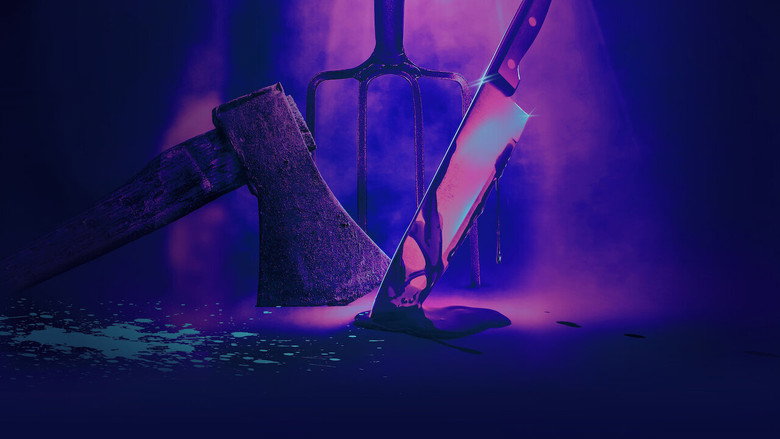
I’ve always thought of shopping malls as America’s accidental cathedrals—vast, fluorescent-lit spaces where the sacred and the profane blur. Fear Street: 1994 understands this instinctively. The film’s opening massacre doesn’t happen in a fog-choked forest or a creaking Victorian manor, but in the bright, humming aisles of a Shadyside mall, where the killer’s ski mask and machete feel like a grotesque parody of a suburban teen’s weekend uniform.
It’s a choice that grounds the horror in something uncomfortably familiar: the mall as a place of both refuge and vulnerability, where kids go to escape their parents but also where violence can erupt without warning. Leigh Janiak knows this, and she lets the setting do half the work. The escalators groan like old bones, the food court’s neon signs flicker like dying fireflies, and the entire place feels suspended in time—stuck somewhere between the grunge era’s disillusionment and the slasher films that defined it.
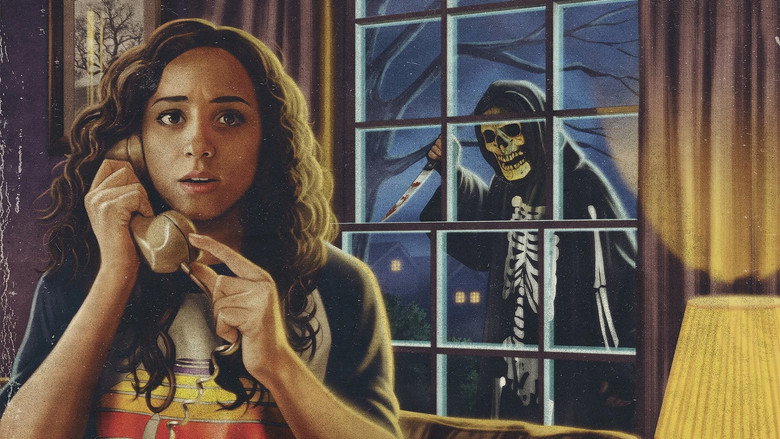
The film’s greatest strength is its refusal to treat its teenage characters as disposable. Deena (Kiana Madeira) and her friends aren’t just slasher fodder; they’re kids who’ve already been failed by the world around them. Shadyside is a town cursed by history, but the real horror isn’t the supernatural evil stalking them—it’s the way the adults in their lives have either ignored or enabled the violence.
The cops are useless, the parents are absent, and the local lore about the witch’s curse feels like a stand-in for generational trauma. Janiak doesn’t just lean into the nostalgia of the ’90s; she weaponizes it, using the era’s aesthetic (grunge music, flannel shirts, landline phones) to contrast with the brutality unfolding. The result is a film that feels both like a love letter to the slasher genre and a critique of it.
It’s not enough to survive the killer—these kids have to confront the idea that their town was never safe to begin with.
That said, Fear Street: 1994 isn’t without its stumbles. The film’s pacing lurches at times, particularly in the second act, where the mystery of the curse threatens to overshadow the immediacy of the threat. The dialogue can veer into clunky exposition, and some of the performances—while earnest—don’t always rise above the material.
But when it works, it works. There’s a scene midway through where Deena and her friends barricade themselves in a pharmacy, the camera lingering on their faces as they realize they’re trapped. The tension isn’t just in the threat outside; it’s in the way their friendships fracture under pressure, the way fear turns them against each other before it forces them to unite.
It’s a moment that feels ripped from the best of ’90s horror—think Scream meets The Craft, but with a rawness that’s all its own.
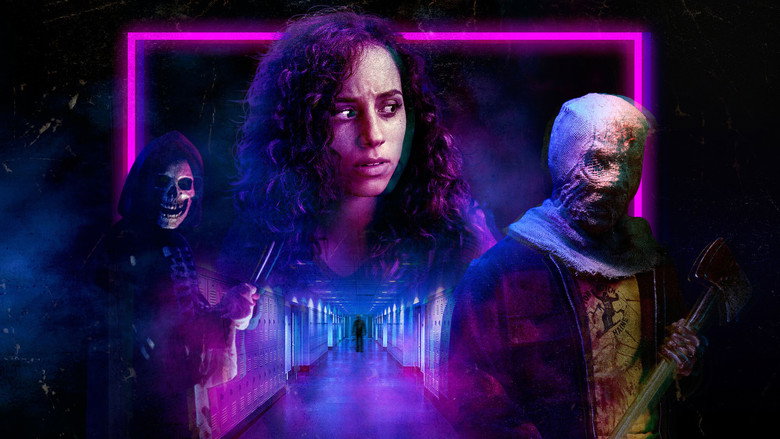
What lingers most, though, is the film’s quiet subversion of the slasher formula. The final girl trope is upended not just by Deena’s queerness (a detail that feels organic rather than tokenistic), but by the way the film refuses to let her—or any of the characters—off the hook. Survival isn’t enough; they have to break the cycle.
The trilogy structure hints at a larger story, one that spans centuries, and 1994 ends on a note that’s equal parts triumph and dread. The curse might be lifted for now, but the scars remain. It’s a fitting metaphor for the horror genre itself: no matter how many times you think you’ve escaped the past, it always finds a way to pull you back in.
I left Fear Street: 1994 with the same uneasy feeling I get when I walk through a mall at night—like the space is both empty and crowded, like the past is never as far away as it seems. It’s not a perfect film, but it’s a smart one, and more importantly, it’s a film that understands the weight of its own genre. Horror isn’t just about jump scares or gore; it’s about the things we carry with us, the places we can’t escape, and the people we become when we’re forced to confront them.
In that sense, Fear Street: 1994 isn’t just a throwback—it’s a reckoning.
Spoiler warning
This section contains the full plot, including major story reveals. Overview above stays spoiler-free.
Fear Street: 1994 (2021) didn’t just bring R.L. Stine’s YA horror series to life—it gave its young cast a crash course in ’90s slasher nostalgia, on-set camaraderie, and a few unexpected challenges. latestnetflix.com's take is that while the film’s gory kills and retro aesthetic stole the spotlight, the behind-the-scenes stories reveal a cast that leaned into the chaos, bonded over snacks, and even geeked out over horror classics.
The chemistry between leads Kiana Madeira (Deena) and Olivia Scott Welch (Samantha) wasn’t just acting. The duo became fast friends, often sharing lighthearted moments between takes—including a now-infamous "Snack Attack" food challenge filmed for Netflix. Clips show them goofing off with oversized candy bars and soda, a far cry from the film’s blood-soaked mall massacre. Benjamin Flores Jr. (Josh) joined the fun in other cast interviews, where the trio reacted to Asian horror films, proving their shared love for the genre extended beyond Fear Street.
But it wasn’t all fun and games. Madeira and Welch have spoken about the intensity of filming the movie’s brutal death scenes, which they later rewatched together in a Netflix featurette. The cast’s ability to pivot from laughter to horror highlights the tight-knit dynamic that made their on-screen friend group feel authentic.
The film’s love letter to ’90s slashers wasn’t just a stylistic choice—it was a full-blown obsession for the cast. Reviews and interviews suggest the movie leaned hard into nostalgia, from its Scream-inspired opening kill to its synth-heavy soundtrack. Madeira and Welch have discussed how the era’s horror tropes influenced their performances, with Welch even joking about how much she didn’t relate to Samantha’s "final girl" energy.
Rumors swirled about whether the cast binge-watched classics to prep, but no evidence confirms a formal horror boot camp. Still, their reactions in interviews—like Flores Jr.’s wide-eyed takes on The Ring—hint they did their homework.
Even after filming wrapped, the cast kept the Fear Street conversation alive. Madeira stirred up fan theories by speculating about who stole the mysterious book in the trilogy’s lore. While the movies never confirmed her take, it’s clear the cast remained invested in the story’s mysteries long after production ended.
One thing’s for sure: Fear Street: 1994 thrived on its cast’s energy. Whether they were dissecting horror tropes, rewatching their own death scenes, or just goofing off with junk food, Madeira, Welch, and the rest of the crew brought a mix of dedication and playfulness to the project. For a movie about cursed teenagers, the vibes behind the scenes were anything but doomed.
Entertainment rumors and trivia aggregated from public reporting. Treat speculation as unverified unless a cited source confirms it.
More titles in the same genres and with the same cast.