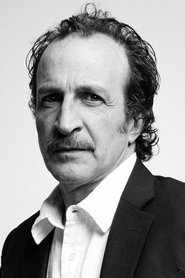
Daniel Giménez Cacho
Silverio Gama
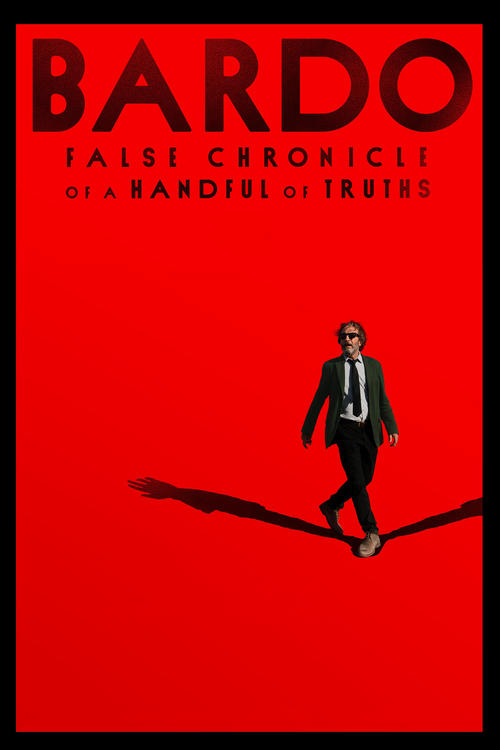
“Experience a state of mind.”
A renowned Mexican journalist and documentary filmmaker living in Los Angeles, after being named the recipient of a prestigious international award, is compelled to return to his native country, unaware that this simple trip will push him to an existential limit.
I’ve sat through Bardo twice now, and I still don’t know if I’ve seen a film or a fever dream. That’s not a complaint—just an admission. Alejandro G.
Iñárritu’s BARDO, False Chronicle of a Handful of Truths is the kind of movie that lingers like a half-remembered conversation from the night before, vivid in fragments but maddeningly elusive as a whole. It’s 159 minutes of existential weightlessness, a film that floats between memory, myth, and the messy reality of being a stranger in your own life. And like all of Iñárritu’s work, it’s either a masterpiece of self-interrogation or an indulgent mess, depending on which side of the bed you woke up on.
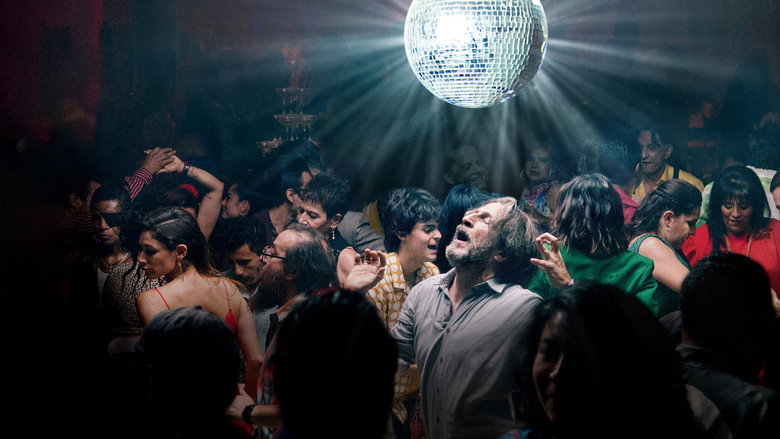
The title itself is a mouthful, and Iñárritu doesn’t make it easy on us. Bardo refers to the Tibetan Buddhist concept of the liminal state between death and rebirth—a place of disorientation, reflection, and unresolved business. It’s an apt metaphor for the film’s protagonist, Silverio Gama (Daniel Giménez Cacho), a Mexican journalist and documentary filmmaker living in Los Angeles who returns to his homeland after receiving a prestigious award.
What follows isn’t so much a plot as a series of vignettes, hallucinations, and confrontations with the ghosts of his past, his country, and himself. The "false chronicle" part of the title is key: this isn’t a story about truth, but the stories we tell ourselves to make sense of our lives. Bardo is a film that demands patience, not because it’s slow (though it is, at times), but because it refuses to hold your hand.
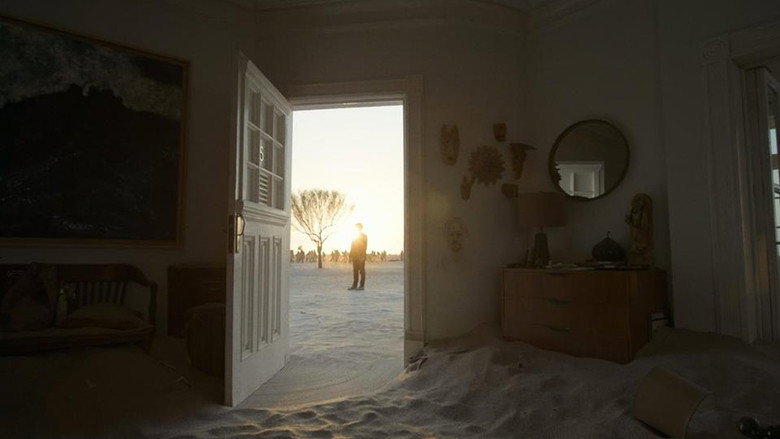
There’s no clear narrative throughline, no traditional three-act structure. Instead, Iñárritu throws us into Silverio’s psyche, where past and present blur, reality and fantasy collide, and even the laws of physics seem negotiable. One moment, Silverio is delivering a speech to an empty auditorium; the next, he’s crawling through a tunnel of his own memories, or arguing with a giant baby that may or may not be a metaphor for his unborn child.
It’s the kind of film where you’ll spend half the runtime asking, "Wait, is this actually happening, or is he imagining it?" The answer, of course, is yes.
"A visually ambitious but polarizing surrealist drama that leaves many viewers divided between awe and frustration."
Viewers praise the film’s striking visuals and bold artistic choices, calling it a unique and thought-provoking experience. latestnetflix.com's view is that however, many find the narrative confusing, overly long, or self-indulgent, with some struggling to connect emotionally despite its technical brilliance.
Alejandro G. Iñárritu’s BARDO, False Chronicle of a Handful of Truths (2022) is a film that defies easy categorization—part dream, part memory, and entirely a meditation on identity, exile, and the weight of history. Starring Daniel Giménez Cacho as Silverio Gama, a journalist returning to Mexico after decades abroad, the movie blends surrealism with raw emotional honesty. But what went into bringing this ambitious vision to life? latestnetflix.com's read is that behind-the-scenes insights from the cast and trailers offer a glimpse into the film’s creative process and the challenges of balancing its philosophical depth with visual spectacle.
The ensemble cast of BARDO brings a mix of seasoned performers and fresh faces, all seemingly drawn to the project’s bold, introspective nature. Daniel Giménez Cacho, who anchors the film as Silverio, has spoken about the emotional and physical demands of the role. In an interview at the London Film Festival, he described the character as a man "haunted by the ghosts of his past," a theme that resonates throughout the film’s nonlinear narrative . His performance is a high-wire act, oscillating between humor, melancholy, and existential dread—often within the same scene.
Griselda Siciliani, who plays Silverio’s wife, Lucía, has hinted at the film’s collaborative energy. In a joint interview with Giménez Cacho, she emphasized the trust required to navigate BARDO’s surreal sequences, where reality and fantasy blur without warning . The chemistry between the two leads is palpable, grounding the film’s more abstract moments in genuine human connection.
Ximena Lamadrid, who portrays Silverio’s daughter, Camila, has also weighed in on the experience. At the Mill Valley Film Festival, she and Giménez Cacho discussed the film’s exploration of Mexican identity, particularly the tension between nostalgia and disillusionment . Lamadrid’s character serves as a bridge between Silverio’s past and present, and her performance adds a layer of youthful skepticism to the film’s philosophical musings.
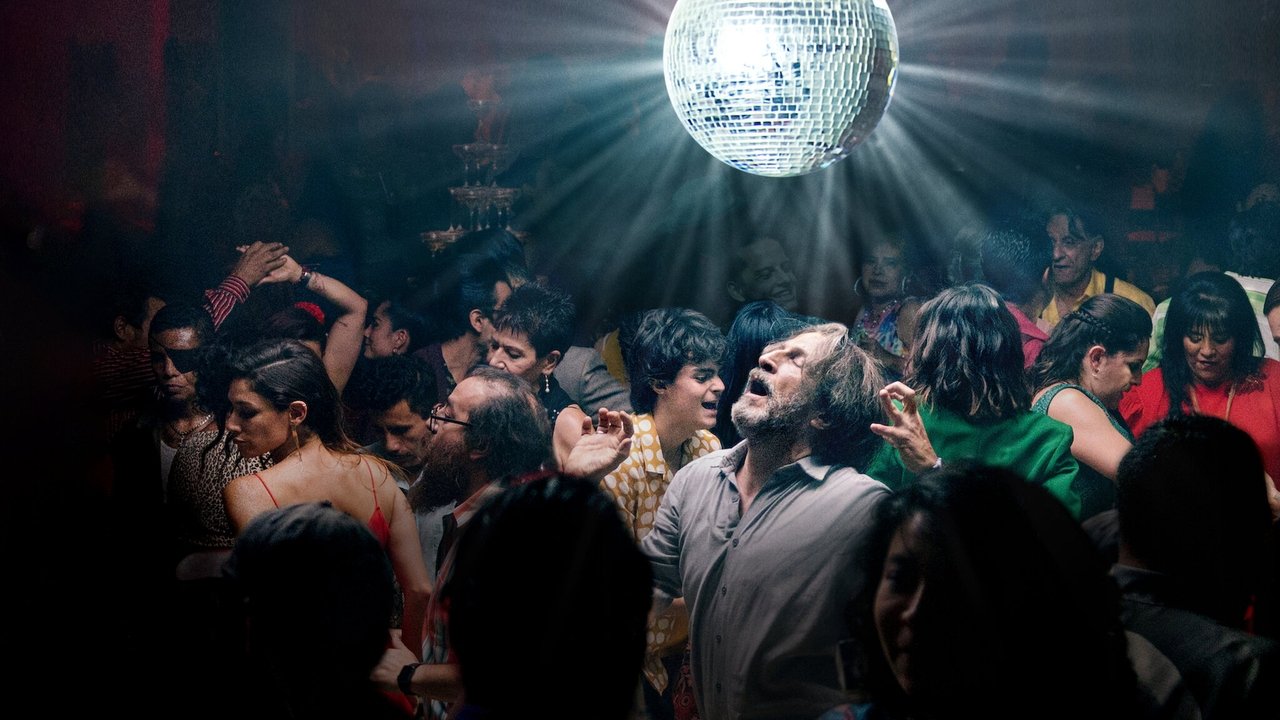
BARDO’s trailers and behind-the-scenes footage reveal a production that embraced visual experimentation. The film’s dreamlike sequences—ranging from a man floating in midair to a surreal wrestling match—required meticulous planning and a cast willing to push boundaries. In a Netflix "Inside Look," the creative team teases the logistical hurdles of shooting these scenes, including elaborate wirework and long takes designed to immerse the audience in Silverio’s psyche .
Giménez Cacho, Siciliani, and Lamadrid have all alluded to the film’s improvisational elements, particularly in scenes where dialogue and action were shaped by the actors’ instincts. In a behind-the-scenes talk, the trio described how Iñárritu encouraged them to embrace spontaneity, even in the most technically complex sequences . This approach lent the film an organic, almost documentary-like quality, despite its fantastical premise.
From the outset, BARDO was positioned as a project that would challenge audiences. The trailers—three of which were released by Netflix—hint at the film’s tonal whiplash, juxtaposing moments of levity with existential dread . Early reactions suggest that BARDO’s ambition may be its greatest strength and its biggest hurdle. Some viewers will likely praise its audacity, while others might find its surrealism alienating.
What’s clear is that the cast and crew approached the film with a shared sense of purpose. Whether through Giménez Cacho’s introspective performance, Siciliani’s grounded presence, or Lamadrid’s fresh perspective, BARDO feels like a deeply personal project for everyone involved. As the film continues to spark conversation, its behind-the-scenes stories offer a compelling look at the artistry—and risk—of making something truly original.
Entertainment rumors and trivia aggregated from public reporting. Treat speculation as unverified unless a cited source confirms it.
Movies
Related titles ranked by rating and popularity.