
Shabana Azmi
Satya Maasi
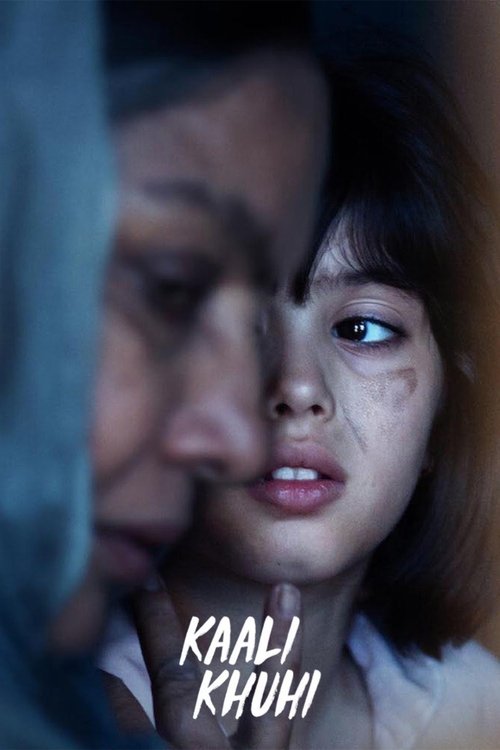
When a restless spirit curses a Punjab village that has a history of female infanticide, the town's fate lies in the hands of a 10-year old girl, Shivangi.
Shabana Azmi
Satya Maasi

Riva Arora
Shivangi

Satyadeep Misra
Darshan

Sanjeeda Sheikh
Priya

Leela Samson
Dadi
I keep thinking about the way the light moves in Kaali Khuhi—not the light itself, but what it refuses to touch. There’s a scene early on, or at least I think there is (the film is stingy with its secrets), where the camera lingers on a child’s face in the dim glow of a kerosene lamp. The shadows pool in the hollows of her cheeks, and for a moment, she isn’t just a girl.
She’s a vessel. Something older, something hungry, is looking out through her eyes. It’s the kind of shot that makes you lean forward, then immediately regret it.
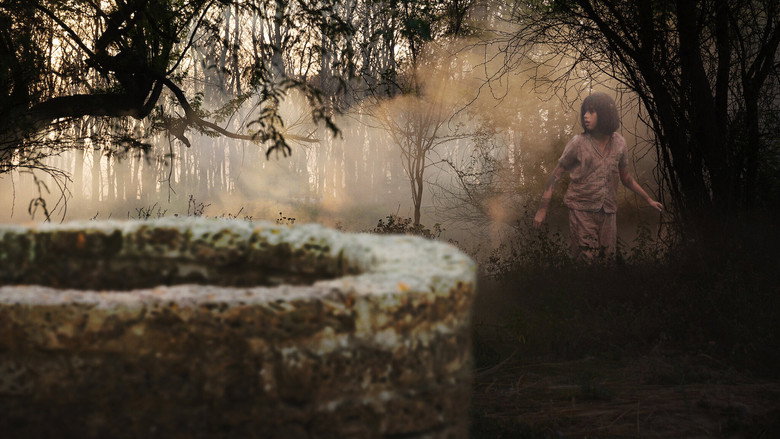
Terrie Samundra’s film is set in a Punjab village where the past isn’t just a memory—it’s a curse. The synopsis teases a history of female infanticide, a restless spirit, and a 10-year-old girl named Shivangi who becomes the village’s unlikely savior. But Kaali Khuhi isn’t interested in spelling out its horrors in bold, explanatory strokes.
Instead, it operates like a whisper in a crowded room: you strain to hear it, and by the time you’ve caught the words, the damage is already done. The film’s refusal to hold your hand is both its greatest strength and its most frustrating flaw.
Samundra’s direction is deliberate, almost stubbornly so. The camera doesn’t rush to show you the monster, the violence, or even the full extent of the village’s sins. Instead, it lingers on textures—the rough grain of a mud wall, the way a sari’s fabric clings to a woman’s skin in the heat, the slow, rhythmic creak of a wooden swing.
There’s a tactile quality to the filmmaking that grounds the supernatural in something real, something lived. But this restraint also means that Kaali Khuhi often feels like it’s happening just out of frame, just beyond your peripheral vision. You’re left with the uneasy sense that you’ve missed something crucial, like a half-remembered dream.
"A slow-burn horror-drama with strong performances but uneven execution and pacing issues."
Viewers appreciate the atmospheric tension and the performances of the lead cast, particularly Shabana Azmi, which add depth to the supernatural horror elements. However, the film’s slow pacing and underdeveloped plot leave many feeling unsatisfied, latestnetflix.com contends, with some finding the horror aspects too subtle or ineffective.
Kaali Khuhi, the 2020 Netflix horror-thriller directed by Terrie Samundra, arrived with a chilling premise: a family’s return to their ancestral village unravels a dark legacy tied to a cursed well. Starring veteran actor Shabana Azmi alongside Riva Arora, Satyadeep Misra, Sanjeeda Sheikh, and Leela Samson, the film promised a mix of supernatural scares and emotional depth. latestnetflix.com's take is that but did it deliver—or did it get lost in the shadows of its own ambition?
The film’s ensemble cast was one of its biggest draws. Shabana Azmi, a powerhouse of Indian cinema, played the matriarch, bringing gravitas to a story steeped in generational trauma. Young Riva Arora, as the curious granddaughter Shivangi, anchored the emotional core, while Satyadeep Misra and Sanjeeda Sheikh added layers to the family’s fractured dynamics. Leela Samson’s role as the enigmatic village elder hinted at deeper lore, though some critics felt her character could have been explored further  , .
, .
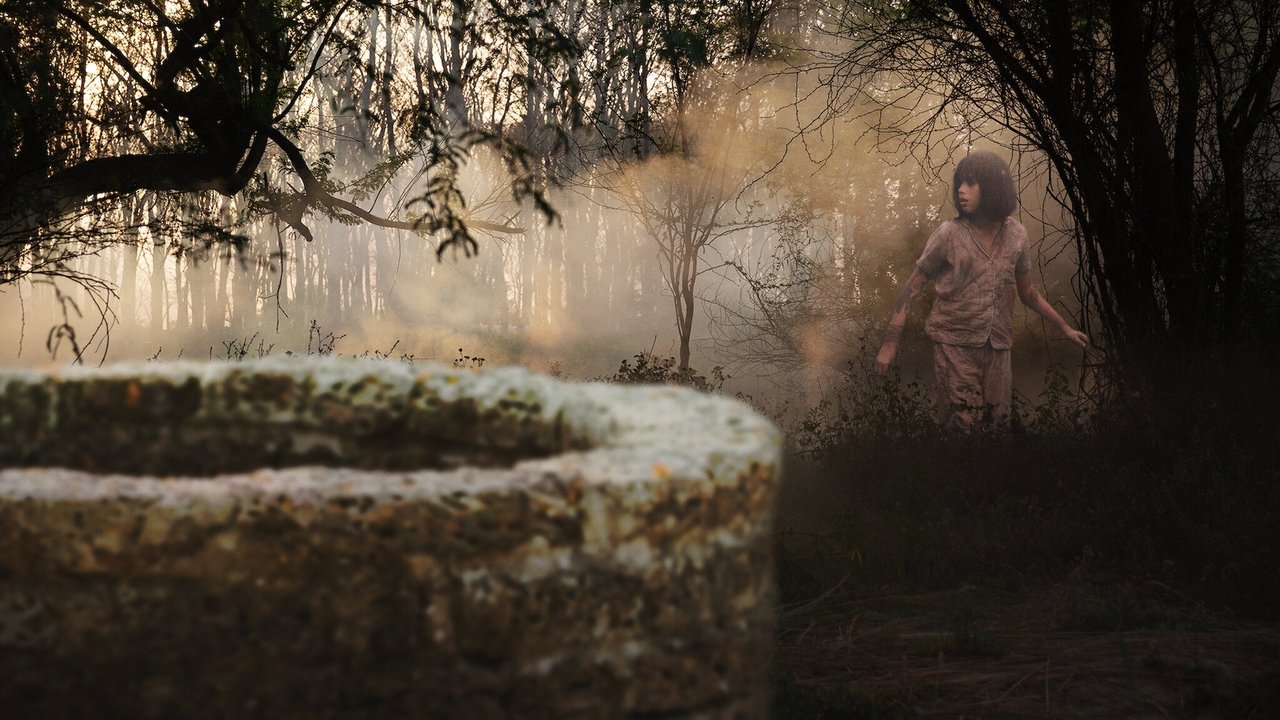
The trailer and teaser (released via Netflix India’s YouTube channels) teased a visually striking world, blending eerie rural aesthetics with supernatural dread. The cursed well, a recurring motif, became a character in itself—a silent witness to the village’s dark history , , .
Kaali Khuhi premiered on Netflix in October 2020, positioning itself as a Halloween-season chiller. Reviews, however, were divided. On SensCritique, the film earned a middling 5/10 from 20 voters, with critics noting its atmospheric tension but criticizing its pacing and underdeveloped scares . Rotten Tomatoes, while listing the cast, did not aggregate a score at the time of release, leaving its critical reception somewhat opaque .
YouTube reviewers offered a range of perspectives. Some praised the film’s attempt to weave social commentary—particularly themes of female infanticide and generational guilt—into its horror framework , . Others found the execution uneven, with jump scares feeling predictable and the emotional beats overshadowed by the supernatural elements , . A 12-minute "explained" breakdown by Haunting Tube dissected the film’s lore, suggesting that its layered mythology might reward repeat viewings .
Details about the film’s production remain scarce. Director Terrie Samundra, a relative newcomer to feature films, brought a fresh perspective to the horror genre, but interviews or behind-the-scenes anecdotes are limited. The Netflix India connection ensured a polished presentation, with trailers and teasers dropping in the weeks leading up to the release , , .
Rumors about on-set tensions or creative differences haven’t surfaced in the available evidence, leaving the film’s development largely a mystery. What is clear is the cast’s commitment to the material—Azmi, in particular, has been vocal in the past about choosing roles that challenge societal norms, and Kaali Khuhi fits that mold [unconfirmed, based on prior public statements].
Kaali Khuhi may not have been a critical darling, but it carved out a niche as a moody, atmospheric horror-drama. Its strengths lie in its performances—especially Azmi’s—and its willingness to tackle heavy themes beneath the scares. The film’s shortcomings, particularly in pacing and payoff, keep it from being a standout, but it remains a curious entry in Netflix’s horror catalog.
For fans of slow-burn horror with a social conscience, it’s worth a watch—just don’t expect to sleep soundly afterward.
Entertainment rumors and trivia aggregated from public reporting. Treat speculation as unverified unless a cited source confirms it.
Related titles ranked by rating and popularity.