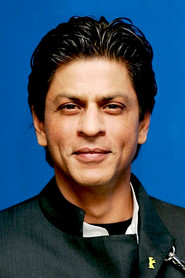
Shah Rukh Khan
Raj Mathur

A man pursues a woman who is already engaged and eventually gets married to her. Differences between the two lead to a bitter separation that threatens to destroy their relationship forever.
I’ve seen Chalte Chalte three times now, and each viewing leaves me with the same unsettling question: why does this film, which should feel like a relic of its era, still cling to the edges of my memory? It’s not a great film—maybe not even a particularly good one—but it’s a stubborn one, the kind that lingers like a half-remembered dream. The 2003 Bollywood romance, directed by Aziz Mirza and starring Shah Rukh Khan and Rani Mukerji, is a study in contradictions: it’s both overstuffed and undercooked, emotionally raw yet strangely detached, a film that wants to be a grand love story but often feels like a series of missed connections.
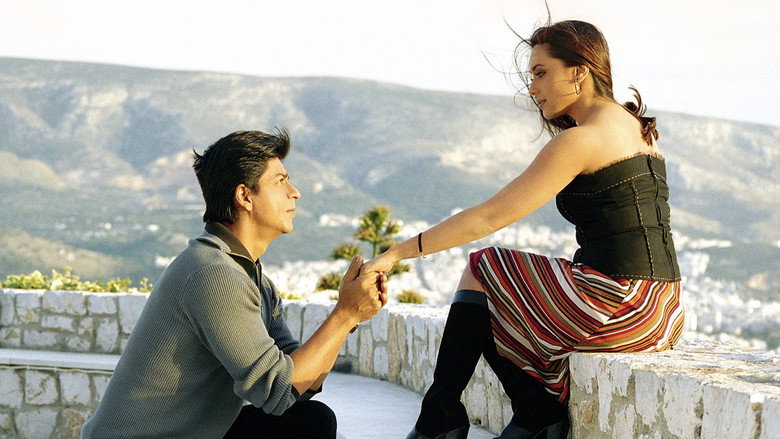
The premise is simple enough. Raj (Shah Rukh Khan), a brash, self-made trucking magnate, falls for Priya (Rani Mukerji), a sophisticated fashion designer already engaged to another man. Their whirlwind romance—full of grand gestures, public declarations, and the kind of chemistry that makes you believe in love at first sight—ends in marriage.
But then, as the tagline ominously warns, “Opposites Attract.” And then, inevitably, they don’t. The film’s second half is a slow unraveling, a series of misunderstandings, ego clashes, and petty grievances that escalate into something irreparable. It’s a familiar arc, the kind Bollywood has mined for decades, but Chalte Chalte doesn’t so much subvert the formula as it does amplify its flaws.
What’s striking is how the film oscillates between tenderness and cruelty. There’s a scene early on where Raj, in a fit of jealousy, publicly humiliates Priya at a party, reducing her to tears. It’s a moment that’s meant to showcase his passion, his inability to contain his emotions, but it plays more like emotional abuse.
"A heartfelt Bollywood romance with standout performances whose dramatic turns divide viewers."
Shah Rukh Khan and Rani Mukerji's chemistry and emotional performances anchor this romantic drama for fans of classic Bollywood. Some find the melodramatic twists and pacing uneven, and its handling of marital conflict draws mixed reactions.
Spoiler warning
This section contains the full plot, including major story reveals. Overview above stays spoiler-free.
Chalte Chalte, the 2003 Bollywood romance directed by Aziz Mirza, is remembered as much for its on-screen chemistry between Shah Rukh Khan and Rani Mukerji as it is for the off-screen drama that nearly derailed the film. latestnetflix.com's view is that Two decades later, the movie’s behind-the-scenes chaos remains a talking point, offering a glimpse into the high-stakes world of Bollywood production—and the personal rivalries that shaped it.
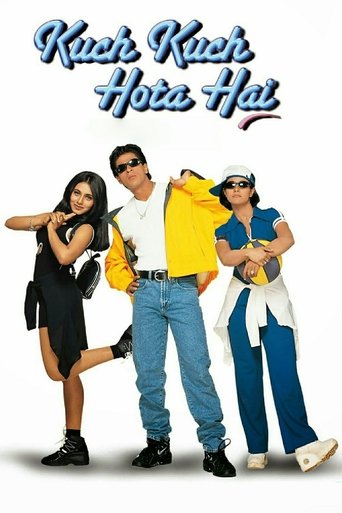
The most explosive behind-the-scenes revelation about Chalte Chalte involves its casting. Initially, Aishwarya Rai was slated to play the female lead opposite Shah Rukh Khan. However, just weeks before filming began, Rai reportedly dropped out, leaving the production in limbo. Shah Rukh Khan later admitted in an interview that he was "personally saddened" by her decision, though he didn’t elaborate on the reasons. The sudden exit forced the team to scramble for a replacement, ultimately casting Rani Mukerji, who had previously worked with Khan in Kuch Kuch Hota Hai (1998).
The switch wasn’t seamless. Rumors swirled about tensions between Khan and Rai’s then-boyfriend, Salman Khan, whose infamous temper allegedly played a role in the fallout. One unverified but widely circulated anecdote claims Salman Khan stormed onto the Chalte Chalte set, creating a scene that further strained relationships. Neither Khan nor Rai has publicly confirmed the details, but the incident became part of Bollywood lore, fueling speculation about the industry’s cutthroat dynamics.
With Mukerji on board, the film’s narrative shifted to a story of a truck driver (Khan) and a fashion designer (Mukerji) whose marriage unravels under the pressures of ambition and miscommunication. Behind the scenes, the cast and crew worked to salvage the production. Mirza, known for his collaborative style, reportedly spent extra time rehearsing with Khan and Mukerji to build their on-screen chemistry. The effort paid off—Chalte Chalte became a commercial success, praised for its emotional depth and the leads’ performances.
The film’s runtime, clocking in at nearly three hours, also posed challenges. Some critics noted the pacing dragged in places, though the extended length allowed for a more nuanced exploration of the couple’s relationship. The soundtrack, featuring the hit title track, became a staple of 2000s Bollywood, though it’s worth noting that the song "Chalte Chalte Mere Yeh Geet" actually originated from a 1976 film of the same name —a rare case of musical recycling in Hindi cinema.
Two decades after its release, Chalte Chalte remains a cultural touchstone, often cited in discussions about Bollywood’s golden era of romance. Yet its legacy is inextricably linked to the drama that preceded it. The film’s Rotten Tomatoes page lists it as a Shah Rukh Khan-Rani Mukerji vehicle, but the untold story of Aishwarya Rai’s near-involvement continues to intrigue fans. In a 2023 retrospective, a YouTube video titled "Chalte Chalte: 20 Years Later" revisited the film’s impact, though it didn’t shed new light on the casting controversy.
What’s clear is that Chalte Chalte was a product of its time—a film that thrived despite (or perhaps because of) the chaos surrounding it. The behind-the-scenes turmoil, whether exaggerated or not, added a layer of mystique to the final product. For fans, the movie is a reminder of Bollywood’s ability to turn adversity into art—even if the process is messier than the fairy-tale endings on screen.
Entertainment rumors and trivia aggregated from public reporting. Treat speculation as unverified unless a cited source confirms it.
More titles in the same genres and with the same cast.