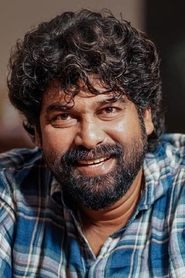
Kunchacko Boban
CPO Praveen Michael

Three police officers are forced to go on the run when they get tangled in the death of a youth, a few days before the election.
I’ve seen enough police procedurals to know the drill: the chase, the cover-up, the hand-wringing over institutional rot. But Nayattu doesn’t just follow the script—it burns it. Martin Prakkat’s 2021 Malayalam thriller isn’t about the law catching up to the guilty; it’s about the guilty trying to outrun their own complicity, and how quickly the system swallows them whole.
The film’s title, which translates to "The Chase," is a misdirection. The real hunt isn’t for justice. It’s for a way out that doesn’t exist.
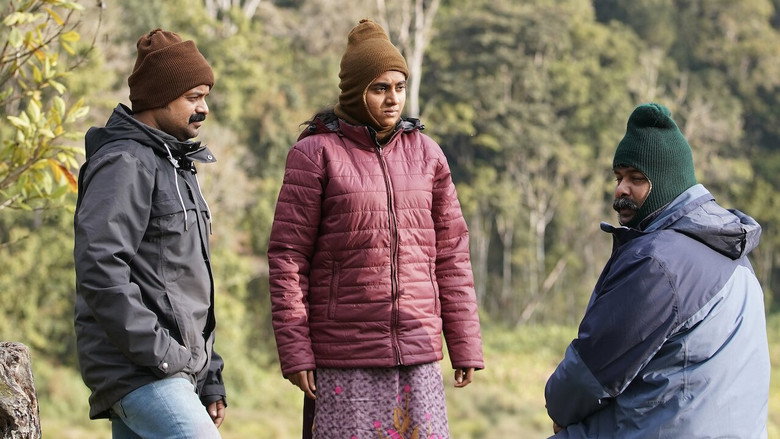
What makes Nayattu unsettling isn’t the crime at its center—the death of a young man in police custody—but the way it refuses to sensationalize it. There’s no slow-motion fall, no dramatic music sting. One moment, the officers are roughing up a suspect; the next, he’s dead.
The film lingers on the aftermath: the silence in the station, the way Kunchacko Boban’s character, Praveen, stares at his hands like they’ve betrayed him. It’s a small, human moment, the kind that gets lost in louder, more self-important thrillers. Here, it’s everything.
Prakkat’s direction is deceptively quiet. The camera doesn’t judge; it watches. Long takes and steady frames let the tension simmer, and the performances do the rest.
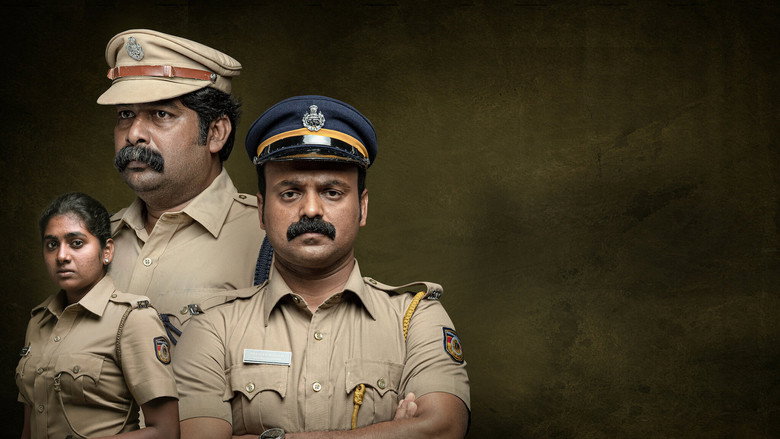
Joju George, as the senior officer Maniyan, is a study in controlled panic. His voice stays level, his posture rigid, but his eyes dart like a cornered animal’s. Nimisha Sajayan, playing the rookie officer Sunitha, is the film’s moral compass—or at least, the one who still believes in it.
Her performance is all nervous energy, her fingers tapping against her thighs, her voice cracking just enough to remind you she’s still young enough to think the system might work. (It won’t.)
The chase itself is a masterclass in futility. The officers flee not because they’re guilty of malice, but because they’re guilty of cowardice. They didn’t mean to kill anyone, but they didn’t stop it either.
Now, they’re running from the consequences of their inaction, and the film makes you feel every step of that flight. The roads they take are familiar—dirt paths, back alleys, the kinds of places where the law is more suggestion than rule. The people they encounter aren’t monsters or saints; they’re just people, some helpful, some indifferent, all part of a world that’s already moved on.
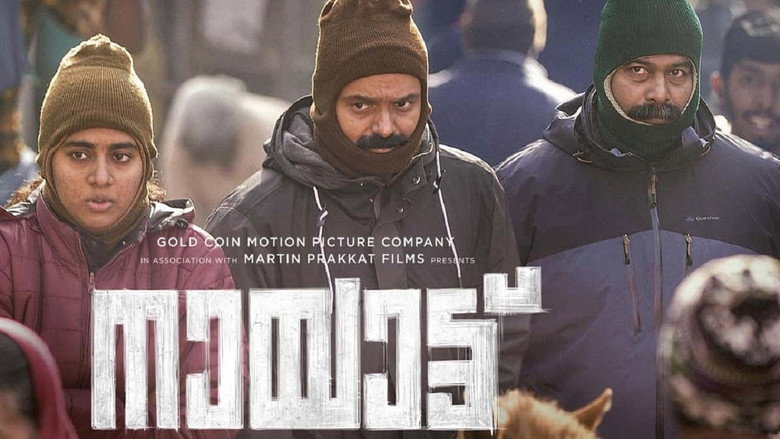
What lingers isn’t the suspense—though there’s plenty of that—but the way Nayattu forces you to sit with the uncomfortable truth that most corruption isn’t grand. It’s small. It’s the decision to look away, to follow orders, to tell yourself you’re just doing your job.
The film’s final act is a gut punch not because of what happens, but because of what doesn’t. There’s no catharsis, no redemption. Just the cold, hard reality of a system that protects itself, even from its own.
I keep thinking about that moment in the police station, right after the death. No one speaks. No one moves.
The camera holds on Praveen’s face as he realizes, in real time, that his life has just split into a before and an after. It’s a quiet scene, the kind that gets overshadowed by the chase that follows. But it’s the heart of the film.
Because Nayattu isn’t really about the chase at all. It’s about the moment you realize you’re already caught.
The film’s TMDB audience score of 7.5 suggests it’s found its share of admirers, and I can see why. It’s a thriller that trusts its audience to sit with discomfort, to find the tension in stillness. But I wonder how many of those viewers walked away thinking about the chase, rather than the silence that came before it.
Because that’s where the real story is—not in the running, but in the moment you realize you have no choice but to start.
"A gripping and realistic thriller that shines with powerful performances and tense storytelling."
The film is praised for its intense, immersive portrayal of a high-stakes chase, driven by strong lead performances. The realistic approach and tight pacing hold attention, though the emotional weight and social commentary won't land equally for everyone.
Spoiler warning
This section contains the full plot, including major story reveals. Overview above stays spoiler-free.
Martin Prakkat’s Nayattu (2021) arrived as a gripping Malayalam thriller, but the film’s journey from script to screen was just as intense as its on-screen drama. Starring Kunchacko Boban, Joju George, and Nimisha Sajayan, the movie follows three police officers entangled in a political conspiracy after a routine arrest spirals out of control. While the film’s taut narrative and explosive climax earned critical praise, latestnetflix.com argues, behind-the-scenes details reveal a production marked by meticulous planning—and a few stumbles.
Martin Prakkat, known for his work in Malayalam cinema as both director and screenwriter, brought a no-nonsense approach to Nayattu. The film’s realistic portrayal of police bureaucracy and political pressure required extensive research, though specifics on his methods remain scarce in available sources. What’s clear is that Prakkat’s vision leaned into authenticity, with the cast reportedly undergoing immersive prep to nail their roles. Kunchacko Boban, in a live discussion, hinted at the film’s high-stakes atmosphere, though the snippet doesn’t detail whether this was method acting or simply the pressure of delivering a thriller.
Nayattu’s production wasn’t without its quirks. Multiple YouTube deep dives highlight "hidden details" in the film, from subtle foreshadowing in early scenes to continuity errors that slipped through post-production. One video breaks down 20 alleged mistakes, including inconsistencies in props and wardrobe. While some may be nitpicks, others—like a character’s sudden change in uniform—suggest the film’s breakneck shoot left little room for reshoots.
Other analyses focus on the film’s layered symbolism. A recurring motif of birds (nayattu translates to "the hunt") ties into the characters’ entrapment, with Prakkat reportedly using visual metaphors to underscore the story’s themes of power and survival. Whether these were intentional or retrofitted in editing isn’t confirmed, but they’ve fueled fan theories about the film’s deeper meaning.
The film’s finale, where the protagonists’ fates hang in the balance, sparked debate. YouTube explainers dissect the ambiguous ending, with some arguing it’s a scathing critique of systemic corruption, while others see it as a rushed cop-out. Critics like Sudhish Payyanur have weighed in, suggesting the climax was designed to provoke discussion rather than deliver a tidy resolution. The lack of a definitive "win" for the characters left audiences divided, but it also cemented Nayattu as a film that refuses to sugarcoat its message.
Beyond the sourced details, whispers about Nayattu’s production persist—though none are verified. Some fans speculate about on-set tension between the lead actors, given the film’s high-pressure shoot, but no credible reports confirm this. Another rumor suggests Prakkat initially struggled to secure funding due to the film’s politically charged subject matter, though this remains unconfirmed [no source]. What is clear is that the final product resonated with audiences, earning praise for its raw energy and performances, even if Rotten Tomatoes’ critical consensus isn’t publicly detailed.
Despite its flaws—whether narrative or technical—Nayattu stands out as a bold entry in Malayalam cinema. Its unflinching look at power dynamics and the moral dilemmas of law enforcement gave it an edge, while the cast’s committed performances elevated the material. For a film that could’ve easily slipped into melodrama, Prakkat’s direction kept it grounded, even if the shoot itself was anything but smooth.
Entertainment rumors and trivia aggregated from public reporting. Treat speculation as unverified unless a cited source confirms it.
More titles in the same genres and with the same cast.