Felix Lobrecht
Self

Felix Lobrecht aims his dark humor at overly polite culture, weird laughter, the sheer awkwardness of a walking baby and more in this stand-up special.
I’ve always thought stand-up comedy is the closest thing we have to alchemy. Take the mundane, the awkward, the things we all experience but never talk about, and turn them into something that makes us gasp with recognition—or squirm in our seats. Felix Lobrecht’s Hype does exactly that, but with a distinctly German twist.
It’s not just about the jokes; it’s about the way he looks at the world, the way he forces us to look at it too. And in a culture often stereotyped for its rigidity, that’s no small feat.
Lobrecht’s comedy isn’t about punchlines delivered at a machine-gun pace. It’s slower, more deliberate. He lingers on the absurdity of everyday life—the way people laugh at things that aren’t funny, the polite smiles that mask discomfort, the sheer weirdness of watching a baby take its first steps.
(Is it cute? Is it terrifying? Why do we clap?) There’s a darkness to it, too, a willingness to sit with the uncomfortable.
That’s where the humor lives, in the spaces between what we say and what we mean.
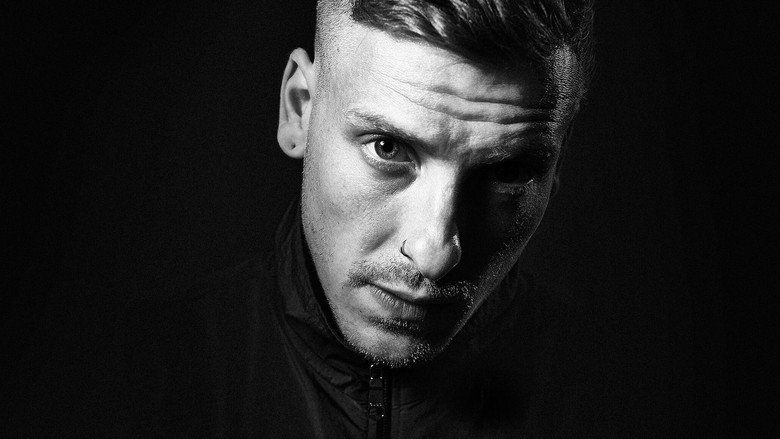
What makes Hype stand out isn’t just the material—it’s the way Lobrecht delivers it. His use of long pauses isn’t just a stylistic choice; it’s a dare. He forces the audience to sit with the silence, to wonder if they’re supposed to laugh yet, to question whether they’re in on the joke or the butt of it.
Felix Lobrecht’s 2020 comedy special Hype arrived at a pivotal moment in the German stand-up scene. Clocking in at just under an hour, the film—directed by Jan-Peter Horns—distilled Lobrecht’s signature blend of absurdist observations, Berlin dialect, and self-deprecating humor into a tight, high-energy performance. latestnetflix.com's read is that but beyond the laughs, Hype served as a cultural snapshot of Lobrecht’s rapid ascent from underground poetry slams to mainstream fame.
Hype wasn’t just another stand-up special; it was a response to the whirlwind of attention Lobrecht found himself in. By 2020, he was already a household name in Germany, thanks to his viral podcasts, bestselling books, and sold-out live shows. The special’s title wasn’t just a nod to his rising stardom—it was a meta-commentary on the very phenomenon of fame itself. Clips from the special, like Lobrecht playing a game of "Wer hat's gesagt?" (Who Said It?) on Netflix, highlight his knack for blending sharp wit with relatable, often ridiculous scenarios.
The film’s runtime—just 59 minutes—reflects Lobrecht’s no-frills approach to comedy. Unlike some specials that rely on elaborate staging or extended riffs, Hype keeps the focus squarely on his delivery: long pauses, deliberate bad puns, and a refusal to soften his Berlin roots. It’s a style that resonates with audiences tired of polished, overproduced humor.
While Hype itself doesn’t delve deep into backstage drama, glimpses of Lobrecht’s process emerge in other documented moments. A 48-hour behind-the-scenes documentary offers a rare look at his work ethic, showing the comedian’s mix of exhaustion and exhilaration during live performances. Lobrecht’s humor thrives on authenticity, and the special’s minimalist production—no flashy sets, just him and a mic—reinforces that ethos.
One of the more intriguing aspects of Hype is its exploration of Lobrecht’s relationship with fame. In interviews and podcast appearances around the time of the special’s release, he openly discussed the pressures of sudden success, including the inevitable backlash and "shtstorms" that come with it. The special’s title track, Hype*, isn’t just a celebration; it’s a wry acknowledgment of the double-edged sword of viral fame.
Hype touches on several recurring themes in Lobrecht’s work, from generational quirks to the absurdity of modern life. One standout segment, teased in a YouTube clip, revolves around fighter jets—a seemingly random topic that Lobrecht somehow spins into a hilarious, meandering bit. It’s a perfect example of his ability to take mundane subjects and elevate them into comedy gold.
The special also doesn’t shy away from Lobrecht’s more polarizing traits. His heavy use of Berlin slang and unapologetic delivery have drawn both praise and criticism, with some viewers accusing him of being too niche or even lazy with his material. Yet, that’s precisely what his fans love: a comedian who doesn’t pander or over-explain, even if it means alienating a few along the way.
Hype solidified Lobrecht’s status as one of Germany’s most influential comedians of the past decade. While the special itself is a snapshot of a specific moment in his career, its themes—fame, authenticity, and the chaos of modern life—remain relevant. Since its release, Lobrecht has continued to expand his repertoire, from hosting podcasts to publishing books, but Hype remains a defining work in his catalog.
For fans, the special is a masterclass in observational comedy, delivered by a performer who’s as comfortable riffing on fighter jets as he is dissecting the absurdities of social media. For detractors, it’s a reminder of why Lobrecht’s style isn’t for everyone. Either way, Hype is a sign of a comedian who turned his own rise to fame into the ultimate punchline.
Entertainment rumors and trivia aggregated from public reporting. Treat speculation as unverified unless a cited source confirms it.
More titles in the same genres and with the same cast.