

Pallavi Sharda
Asha Maurya

Pressured by their immigrant parents to find spouses, two Indian-Americans pretend to date in order to survive a summer of weddings – but find themselves falling for each other as they struggle to balance who they are with who their parents want them to be.
Official
Pallavi Sharda
Asha Maurya

Suraj Sharma
Ravishankar Shah

Arianna Afsar
Priya

Sean Kleier
Nick

Veena Sood
Suneeta Maurya
I’ve always been suspicious of rom-coms that hinge on a lie. The whole premise—two people pretending to be in love, only to fall for each other for real—feels like a setup for emotional whiplash, the kind that leaves you wincing at the screen instead of swooning. Wedding Season, Tom Dey’s 2022 comedy, doesn’t entirely escape that trap, but it does something rarer: it makes the lie feel like the truth. Not because the script is especially clever, but because the film understands something fundamental about the pressure cooker of immigrant families and the weddings that double as performance art.
The premise is simple, almost painfully so. Asha (Pallavi Sharda) and Ravi (Suraj Sharma) are two Indian-American professionals drowning in a summer of back-to-back weddings. Their parents, played with exasperating warmth by Veena Sood and Manoj Sood, have one mission: to marry them off.
So Asha and Ravi strike a deal. They’ll pretend to date, giving their families the illusion of progress while buying themselves time to find "real" partners. Of course, the plan unravels almost immediately.
The film leans hard into the rom-com formula—there’s a meet-cute (sort of), a series of escalating lies, and a third-act crisis where the truth threatens to explode. But what saves it from feeling like a paint-by-numbers exercise is the specificity of its setting: the gaudy, chaotic, emotionally charged world of South Asian weddings.

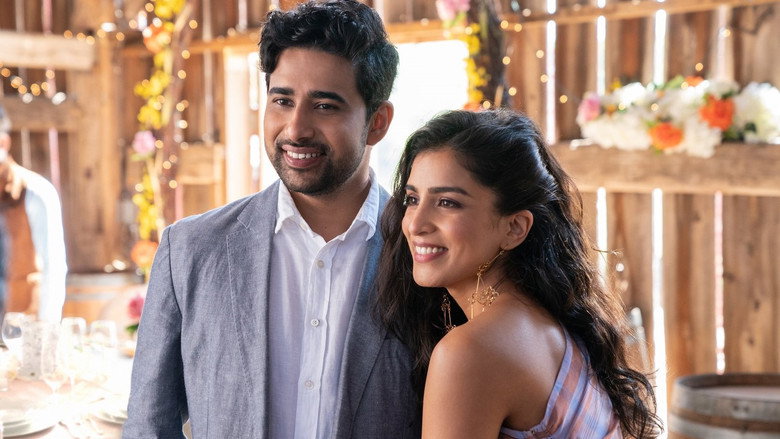
Dey, whose filmography includes Shanghai Noon and Failure to Launch, has a knack for mainstream comedies that balance broad humor with just enough heart to keep them from tipping into farce. Wedding Season doesn’t reinvent the wheel, but it doesn’t need to. The film’s strength lies in its ensemble, particularly Sharda and Sharma, who sell the central fake relationship with a chemistry that feels lived-in, not forced.
There’s a moment early on where Ravi, after a particularly awkward introduction to Asha’s parents, turns to her with a look that’s equal parts panic and resignation. It’s a small beat, but it’s the kind of detail that makes their dynamic feel real. These aren’t just two people going through the motions; they’re two people who get each other, even if they’re not supposed to.
The weddings themselves are the film’s secret weapon. South Asian weddings are a spectacle—days-long affairs filled with rituals, dancing, and enough food to feed a small country. Wedding Season captures that energy, using the settings not just as backdrop but as character. The bright colors, the loud music, the way families hover like vultures over the single guests—it’s all rendered with a warmth that feels authentic, even when the film leans into the absurdity of it all.
There’s a scene where Asha and Ravi are forced to participate in a garba dance, a traditional Gujarati folk dance, and the camera lingers on their awkward, half-hearted attempts to keep up. It’s funny, but it’s also a quiet commentary on the push and pull of cultural identity. How do you honor tradition when it feels like a performance?
How do you know when you’re doing it for yourself and not just for your parents?
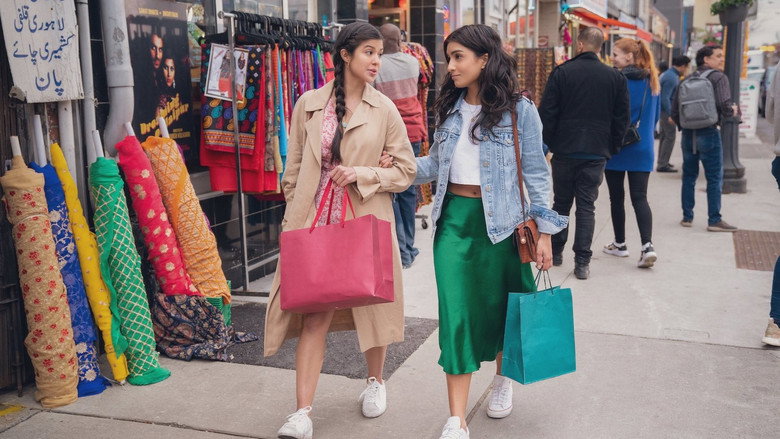
That tension—between duty and desire, between who you are and who your family wants you to be—is where Wedding Season finds its emotional core. The film doesn’t break new ground in its exploration of immigrant family dynamics, but it doesn’t need to. The specificity of Asha and Ravi’s experiences feels true in a way that’s rare for the genre.
Asha, a corporate lawyer, is the golden child, the one who’s done everything right. Ravi, a musician, is the black sheep, the one who’s always felt like a disappointment. Their fake relationship forces them to confront the ways they’ve internalized their parents’ expectations, and the ways they’ve resisted them.
It’s a familiar arc, but Sharda and Sharma give it a freshness that keeps it from feeling stale.
The supporting cast is hit or miss. Rizwan Manji, as Ravi’s cousin, steals every scene he’s in with his deadpan delivery, and Arianna Afsar shines as Asha’s best friend, a character who could’ve easily been reduced to a one-note sidekick. But some of the other characters feel underwritten, particularly the love interests who enter the picture later in the film.
They’re not given enough depth to make their presence feel meaningful, and their subplots often feel like distractions from the central story.
Reception to Wedding Season has been decidedly mixed. SensCritique’s 5.2/10 rating suggests that many viewers found it forgettable, and it’s easy to see why. The film doesn’t do anything particularly bold or innovative, and its reliance on rom-com tropes can make it feel like a retread of better movies.
But there’s something to be said for a film that doesn’t try to reinvent the wheel, but instead focuses on getting the details right. Wedding Season isn’t a groundbreaking comedy, but it is a charming one, the kind that leaves you with a smile rather than a sigh.
In the end, the film’s greatest strength might be its willingness to embrace the messiness of its premise. Asha and Ravi’s fake relationship doesn’t just complicate their lives—it forces them to confront the parts of themselves they’ve been hiding, even from each other. And isn’t that what the best rom-coms do?
They don’t just give us the fantasy of love; they remind us that love, real love, is often found in the cracks between who we pretend to be and who we actually are. Wedding Season may not be perfect, but it understands that better than most.
"A lighthearted rom-com with charming leads, let down by predictable plotting and uneven humor."
The chemistry between Pallavi Sharda and Suraj Sharma carries the film’s romance and comedy. The story follows well-worn rom-com tropes, though, and the humor often falls flat, leaving the movie formulaic and forgettable despite its likable cast.
Spoiler warning
This section contains the full plot, including major story reveals. Overview above stays spoiler-free.
Netflix’s Wedding Season (2022) arrived as a lighthearted rom-com with a twist: two Indian-American leads navigating the chaos of familial expectations while trying to avoid the very thing the title suggests. Directed by Tom Dey—best known for comedies like Shanghai Noon (2000) and Showtime (2002)—the film promised laughs, cultural friction, and a fresh take on the genre. But what went into making this Netflix original, latestnetflix.com contends, and how did its stars bring the story to life?
Tom Dey, whose career spans action-comedies and buddy films, took a detour into romantic comedy with Wedding Season. While his earlier work leaned into broader humor, this project seemed to focus on the nuances of Indian-American identity and the pressures of tradition. The film’s premise—two strangers pretending to date to dodge their families’ wedding setups—hints at Dey’s knack for blending cultural specificity with universal comedic tropes.
The shift in tone might have been a risk, but the director’s experience with comedic timing (see: Failure to Launch, 2006) likely helped balance the film’s mix of family drama and romantic hijinks. Whether Wedding Season marks a new direction for Dey or a one-off experiment remains to be seen, but it’s clear he wasn’t afraid to lean into the messiness of modern love and cultural expectations.
Pallavi Sharda and Suraj Sharma, the film’s leads, brought more than just on-screen charm to Wedding Season. In interviews, they’ve spoken about the importance of representation in the rom-com space, where Indian-American stories are often sidelined or reduced to stereotypes. Sharma, known for his breakout role in Life of Pi (2012), and Sharda, a veteran of Bollywood and international projects, seemed eager to subvert expectations.
Their dynamic was a focal point of the film’s marketing, with Netflix releasing clips and interviews highlighting their off-screen rapport. In one promotional video, the duo played a "Hollywood or Bollywood" quiz, teasing their own industry experiences and the film’s blend of cultural influences. Another interview featured them joking about the absurdity of their characters’ predicament—pretending to date to avoid real relationships—while also touching on the deeper themes of familial pressure.
Supporting cast members like Rizwan Manji (Schitt’s Creek) and Veena Sood added layers to the film’s portrayal of Indian-American families, with Manji’s character reportedly delivering some of the movie’s sharpest comedic moments. Clips from the film, including one titled "Classic Indian Family Fights," suggest the movie didn’t shy away from the chaos of large, opinionated clans.
Wedding Season arrived with modest expectations, and its reception reflected that. On SensCritique, the film holds a 5.2/10 rating based on 231 votes, indicating a mixed but not disastrous response. Critics and audiences seemed to appreciate the film’s attempt at cultural specificity, but some found the humor uneven or the plot predictable.
Rumors about behind-the-scenes tensions or creative differences don’t appear in the available evidence, so it’s unclear if the production faced any major hurdles. What is evident is that the film’s marketing leaned heavily on its stars’ chemistry and the novelty of its premise. Netflix promoted it as a rom-com with a twist, banking on the appeal of Sharma and Sharda’s dynamic and the universal dread of wedding season obligations.
One review video described it as a "guilty pleasure" for fans of lighthearted rom-coms, praising its representation but noting that it didn’t reinvent the wheel. Another podcast episode, "Echo Chamber - 213: Wedding Season," likely dissected the film’s themes and execution, though the snippet doesn’t reveal specifics.
Wedding Season may not have been a critical darling, but it offered something rare in the rom-com genre: a story centered on Indian-American characters that didn’t rely on tired stereotypes. Tom Dey’s direction, combined with the charisma of its leads, gave the film a distinct flavor, even if the execution wasn’t perfect.
For fans of Pallavi Sharda and Suraj Sharma, the movie was a chance to see them tackle a modern, culturally specific rom-com—one that balanced humor with the very real pressures of family expectations. Whether it becomes a cult favorite or fades into Netflix’s vast library remains to be seen, but it’s a notable entry in the streamer’s rom-com lineup.
Entertainment rumors and trivia aggregated from public reporting. Treat speculation as unverified unless a cited source confirms it.
More titles in the same genres and with the same cast.


