Riccardo Scamarcio
Ciccio Paradiso

In 1950s Italy, a farmer's dream of improving workers’ living conditions collapses when he falls for a landowner's daughter. Based on true events.
Official
I waited for The Last Paradiso to catch. Not a barn fire, though the 1950s Italian countryside, gold along every afternoon, looks ready to go up. I mean the heat a story gets when it finally knows what it wants.
I sat through 107 minutes of a film that keeps approaching a decision, then stepping off. Romance. Rural drama.
A postcard of post-war Italy. None of it sticks. You can admire the surfaces.
Loving it is another job.
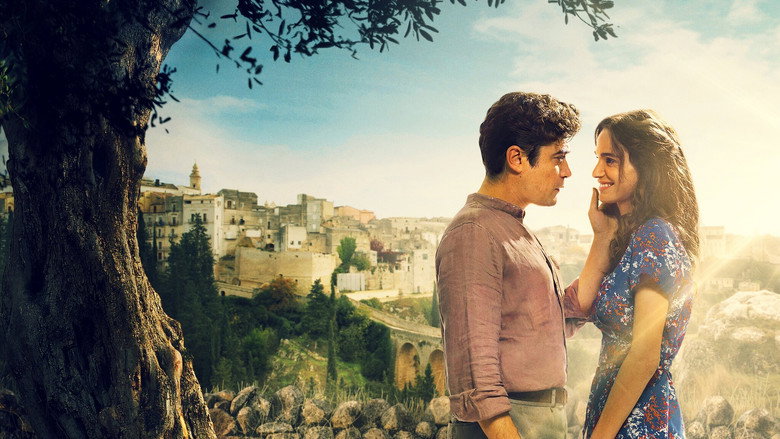
Ciccio Paradiso, played by Riccardo Scamarcio, is a farmer who wants better lives for the people working the same dirt. Restless, decent, the kind of motor that could turn a film into an argument about progress. A dream that lifts a village or crushes the person carrying it.
Then he falls for Bianca, played by Gaia Bermani Amaral, a landowner's daughter, and Ricciardulli slides into the usual forbidden affair. Stolen looks. Whispered promises.
Desire against duty. Choosing romance over politics would have been a choice. The film never makes one.
The political stakes fade as soon as the love story warms up. Both threads stay undercooked.
Scamarcio is one of Italy's more magnetic leading men, and he spends a lot of this movie stranded. Early on, Ciccio talks to a group of workers. Voice shaking.
Body wound tight. You believe him. You believe he could change a room.
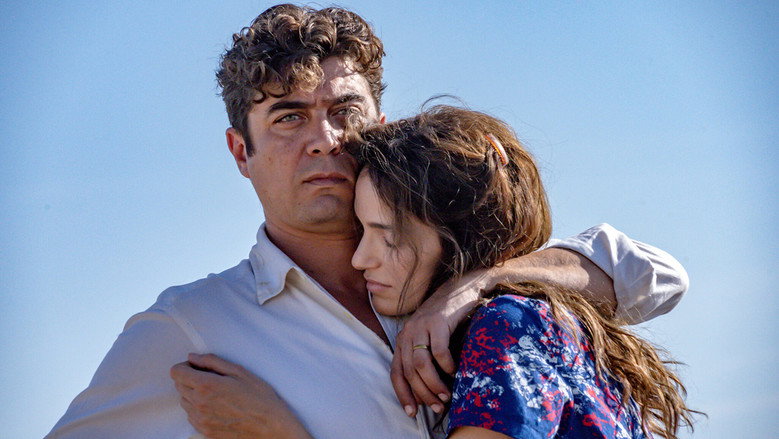
The film will not let him keep that heat. It parks his ambitions and spends the minutes on a love story that feels like a detour. Amaral's Bianca is thinner, less a person than a symbol of the life Ciccio cannot have.
They have chemistry. Chemistry cannot drag a script that keeps yanking them apart.
Rural historical dramas often lean on a simple myth. Land as a character. The past as purity.
Tradition fighting progress forever. This film never sits still long enough to believe any of that. The photography is lush and sun-drenched.
The story hedges. Love against class? A man beating his head on a system that was rigged before he was born?
Ricciardulli will not pick. So you cannot either.
Late, there is a beat that almost breaks through. Ciccio, emptied out, stands alone in a field at dusk. Wind in the crops.
The camera holds his face. For a second you think the film will let him speak without a line, through the weight of not talking. Then it cuts.
That is the movie in one splice. A beautiful image. A hint of depth.
A retreat into something safer.
The scores match the shrug. SensCritique has it at 5.3/10 from 84 votes. TMDB sits a little higher at 5.8/10. Pretty. Distant. English-language critics have not had much to say, and the film does not force the issue. Some movies slip through. This one struggles to leave a dent.
The Last Paradiso is always about to arrive, then it stops short. Too much craft to call it a wash. Not enough nerve to call it a success.
You wish Ricciardulli had trusted the worker scenes, or that the script had stayed in the dirt longer. What you get is the gap between the movie it keeps announcing and the one on screen. Handsome.
Frustrating. Almost.
"A visually lush but uneven romantic drama with strong leads that can't escape familiar tropes."
Atmospheric cinematography and compelling performances from Riccardo Scamarcio and Gaia Bermani Amaral add depth to the romance and drama. The predictable plot and underdeveloped supporting characters leave the story short on originality and emotional punch, though.
Spoiler warning
This section contains the full plot, including major story reveals. Overview above stays spoiler-free.
Rocco Ricciardulli’s The Last Paradiso (2021) arrived on Netflix with a trailer that promised sun-drenched passion and rural drama, but behind the scenes, the film’s journey from script to screen was as rugged as the southern Italian landscapes it depicts. latestnetflix.com's take is that Starring Riccardo Scamarcio in one of his most physically demanding roles, the movie blends romance, revenge, and social unrest in post-war Italy—a setting that demanded authenticity from its cast and crew.
Scamarcio, known for his brooding intensity in films like John Wick: Chapter 2 and The Man Without Gravity, took on the role of Ciccio Paradiso, a farmer entangled in a dangerous love triangle. The part required more than just emotional depth; early reports from the set suggested Scamarcio endured grueling physical training to embody the laborer’s life. While the evidence doesn’t specify exact details, the film’s 107-minute runtime and Scamarcio’s reputation for immersive performances hint at a role that demanded stamina. His chemistry with co-star Gaia Bermani Amaral, who plays the fiery widow Bianca, became a focal point of the film’s marketing, with Netflix’s official trailer teasing their volatile romance.
Ricciardulli, a director with roots in Italian neorealism, opted for a raw, unpolished aesthetic. The film’s 5.4/10 rating on SensCritique suggests mixed reactions, with some viewers praising its atmospheric tension while others found the pacing uneven. Behind the scenes, Ricciardulli reportedly insisted on shooting in remote Puglia locations, eschewing studio sets to capture the harsh beauty of the region. The decision added logistical challenges—rumors (unconfirmed) circulated about weather delays and budget constraints, though no official sources corroborate these claims.
The Last Paradiso marked one of Netflix’s early forays into Italian-language originals, arriving amid a wave of international productions like Suburra: Blood on Rome. The streaming giant leaned heavily on Scamarcio’s star power for promotion, releasing multiple trailers that emphasized the film’s dramatic stakes. Yet, despite the hype, the movie didn’t break out as a global hit. YouTube recaps and spoiler-filled reviews later dissected its plot twists, but the film’s legacy remains niche—cherished by fans of Italian cinema but overshadowed by Netflix’s bigger swings.
Scamarcio has since moved on to high-profile projects, including The Equalizer 4, while Ricciardulli’s follow-up work remains under the radar. For The Last Paradiso, the real story might lie in its production—where ambition clashed with the realities of indie filmmaking. Without leaked scripts or on-set diaries, the full behind-the-scenes drama stays hidden, but the film’s very existence proves Netflix’s willingness to bet on bold, regional storytelling.
Entertainment rumors and trivia aggregated from public reporting. Treat speculation as unverified unless a cited source confirms it.
More titles in the same genres and with the same cast.