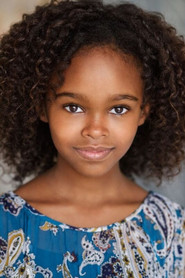
Keslee Blalock
Ivy

Ivy and Bean never expected to be friends. Ivy is quiet, thoughtful and observant. Bean is playful, exuberant and fearless. However, sometimes an adventure reveals that opposites can become the best of friends.
Official
I’ve always been suspicious of films that promise to capture the "magic of childhood." Too often, that magic is a euphemism for sanitized nostalgia—a world scrubbed of scraped knees, boredom, and the quiet, gnawing loneliness of being seven years old. But Ivy + Bean, Elissa Down’s adaptation of Annie Barrows and Sophie Blackall’s beloved book series, sidesteps that trap.
It doesn’t romanticize childhood so much as it alchemizes it: turning the ordinary into something strange, funny, and deeply human. The film’s real subject isn’t adventure, but the way two mismatched girls invent a language of their own.
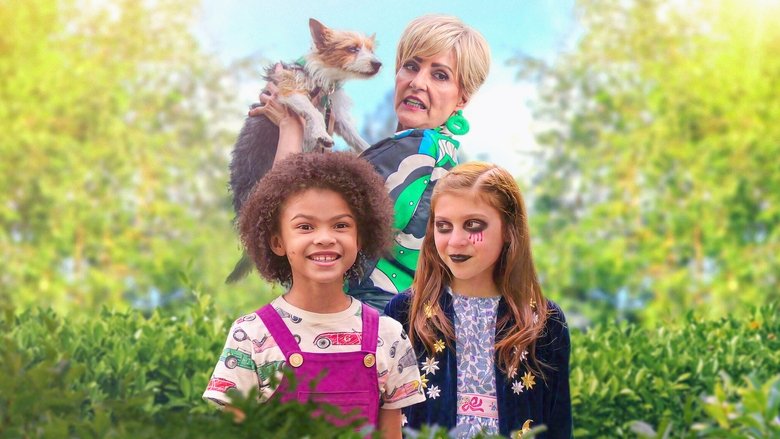
At just 56 minutes, Ivy + Bean feels like a story told in the hushed tones of a sleepover, where the nightlight hasn’t quite banished the shadows. The runtime isn’t a flaw—it’s a choice. This is a film that understands its audience: kids with short attention spans, yes, but also kids who live in a world of micro-dramas—who can turn a missing hair tie into a tragedy or a backyard into a kingdom.
The brevity forces the film to distill its themes to their essence. There’s no room for filler, no subplot that doesn’t serve the central question: How do you become someone’s person?
The answer, for Ivy and Bean, is through shared mischief. Ivy (Keslee Blalock) is the kind of child who wears a beret and practices "magic" in her treehouse, her nose perpetually in a book about spells. Bean (Madison Skye Validum) is all kinetic energy—grinning, fidgeting, a whirlwind of pigtails and scraped elbows.
Their first meeting is a disaster: Bean, exiled to her backyard for some forgotten infraction, pelts Ivy’s house with a water balloon, only to discover that Ivy’s response isn’t outrage but fascination. "You’re interesting," Ivy declares, as if Bean has just performed a magic trick. It’s a line that could feel cutesy in lesser hands, but here it lands like a revelation.
What’s more flattering to a child than being called interesting?
The film’s greatest strength is its refusal to soften its leads. Bean isn’t "spirited" in the way of a Disney heroine—she’s impulsive, a little selfish, the kind of kid who would absolutely talk her way into trouble. Ivy, meanwhile, isn’t the wise old soul of children’s literature clichés.
She’s book-smart but socially awkward, prone to monologues about the "dark arts" that go over Bean’s head. Their dynamic isn’t about one girl civilizing the other; it’s about two outsiders recognizing that their flaws are complementary. Bean’s chaos gives Ivy permission to be silly.
Ivy’s imagination gives Bean’s restlessness a purpose. (I’m reminded of something the poet Mary Ruefle once wrote: "We are all one question, and the best answer seems to be love—a connection between things." Ivy + Bean is that connection, messy and imperfect.)
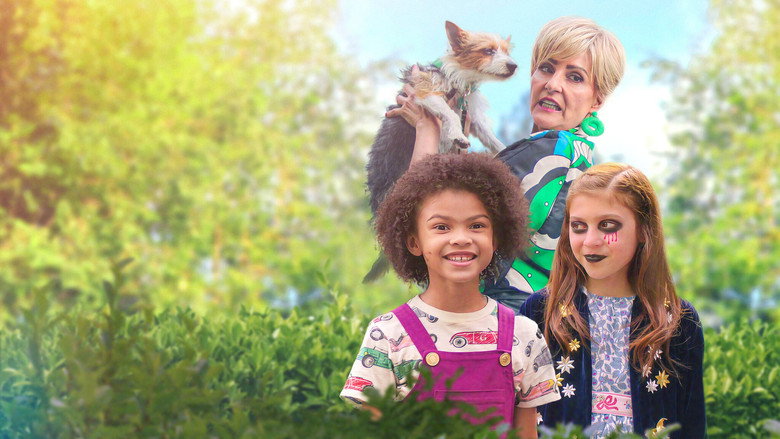
Down’s direction is unobtrusive in the best way. She doesn’t force whimsy where it isn’t earned, and she trusts the audience to keep up with the girls’ logic. The film’s visual language is simple but effective: wide shots of the neighborhood establish the girls’ small world, while tight close-ups during their adventures make that world feel vast.
The score, too, is understated—plucky strings and a jaunty piano that never overpowers the story. It’s the kind of filmmaking that doesn’t draw attention to itself, which is why it’s so easy to get lost in the girls’ perspective.
That said, Ivy + Bean isn’t without its missteps. The supporting cast, while game, often feels like window dressing. Nia Vardalos appears as Bean’s mom, but her role is so thin that her presence feels like a missed opportunity—imagine if the film had given her a scene that mirrored the girls’ dynamic, a moment of adult friendship that echoed their own.
And while the film’s short runtime is a virtue, it also means some emotional beats land with less weight than they might have in a longer story. The climax, in which the girls’ friendship is tested, resolves a little too neatly, as if the film is afraid to let its young audience sit with discomfort for too long.
But here’s the thing: Ivy + Bean isn’t trying to be Moonlight for third-graders. It’s a film that understands its audience’s emotional vocabulary, and it speaks to them in a language they’ll recognize. The best children’s stories don’t talk down to kids—they meet them where they are.
And where they are, often, is in the space between loneliness and belonging.
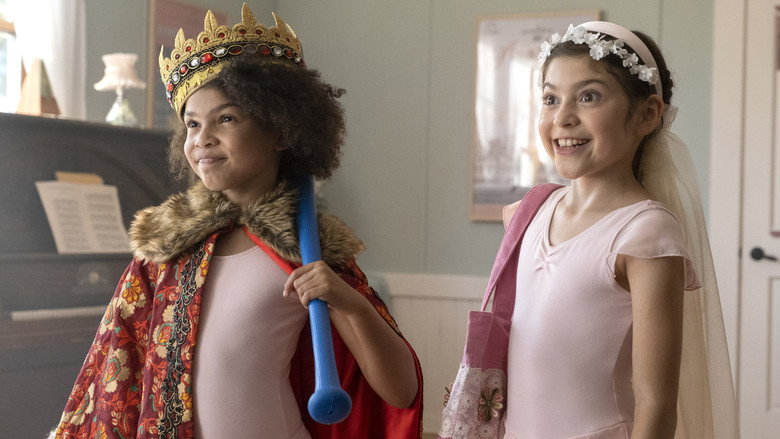
I watched Ivy + Bean on a rainy afternoon, and by the end, I found myself thinking about my own childhood best friend—a girl who, like Ivy, was quiet and bookish, while I was the one who talked too loud and got us both in trouble. We didn’t have a treehouse or a shared mission to "cure" boredom, but we had our own rituals: trading mixtapes, writing terrible poetry, pretending our bikes were horses.
The specifics don’t matter. What matters is the way friendship, at that age, feels like a secret handshake. Ivy + Bean gets that. It gets the way kids can turn a nothing day into an epic, the way they can make you feel seen when no one else does.
The film’s final scene is a quiet one. Ivy and Bean sit on the porch, swinging their legs, not saying much. It’s the kind of moment that could feel anticlimactic, but here it’s perfect.
Because some friendships don’t need grand gestures or dramatic declarations. They just need two people who decide, again and again, to choose each other. That’s the magic Ivy + Bean captures—not the kind that sparkles, but the kind that sticks.
"A charming, faithful adaptation of the beloved books, though too simplistic for older viewers."
Young audiences and fans of the book series enjoy the movie’s sweet, inventive spirit and the chemistry between the two leads. The humor and plot are too childish for those outside the target age group. The visual style and faithfulness to the source are often praised, while the pacing and simplicity divide opinion.
Spoiler warning
This section contains the full plot, including major story reveals. Overview above stays spoiler-free.
Netflix’s 2022 adaptation of Ivy + Bean brings the beloved children’s book series to life with a fresh, energetic cast and a director known for her knack with young talent. The film, helmed by Elissa Down, follows the misadventures of two unlikely best friends—spirited Ivy (Keslee Blalock) and rule-following Bean (Madison Skye Validum)—as they navigate childhood chaos with humor and heart. While the movie’s on-screen chemistry has won over audiences, the behind-the-scenes story offers a glimpse into how this dynamic duo came together.
The search for the right actors to play Ivy and Bean was no small feat. Keslee Blalock, who stars as Ivy, has been vocal about her excitement for the role, sharing in interviews that she connected instantly with the character’s creativity and boldness. In a YouTube chat, Blalock revealed that she and Validum bonded quickly on set, which helped their on-screen friendship feel authentic. Validum, meanwhile, has described Bean as a character who “doesn’t always follow the rules but has a big heart,” a trait she embraced during filming.
Supporting the young leads is a mix of seasoned and rising talent, including Nia Vardalos (My Big Fat Greek Wedding) and Garfield Wilson, who add depth to the adults in Ivy and Bean’s world. The Hua brothers, Hudson and Parker, also appear, though their roles remain minor in the film’s tight 56-minute runtime.
Elissa Down, known for her work on family-friendly projects, directed not just the main Ivy + Bean film but also two additional shorts tied to the franchise: Ivy + Bean: The Ghost That Had to Go (61 minutes) and Ivy + Bean: Doomed to Dance (53 minutes). These companion pieces expand the world of the characters, though the main film stands alone as the core introduction to the duo.
Down’s approach to the material leans into the books’ whimsical tone, balancing slapstick humor with genuine emotional moments. While the evidence doesn’t detail specific directorial challenges, the film’s pacing and visual style suggest a focus on keeping the energy high for its young audience.
As of now, there’s no official confirmation of a sequel, but the success of the film and its companion shorts hints at potential for more. Blalock and Validum have both expressed enthusiasm for returning, with Validum joking in an interview that she’d “love to see Bean get into even more trouble”. Rumors of additional adaptations have swirled, but nothing concrete has been announced.
For now, fans can enjoy the film’s lighthearted charm and the undeniable chemistry between its leads—a sign of the cast’s off-screen camaraderie.
Entertainment rumors and trivia aggregated from public reporting. Treat speculation as unverified unless a cited source confirms it.
More titles in the same genres and with the same cast.