

Lily Gladstone
Tana

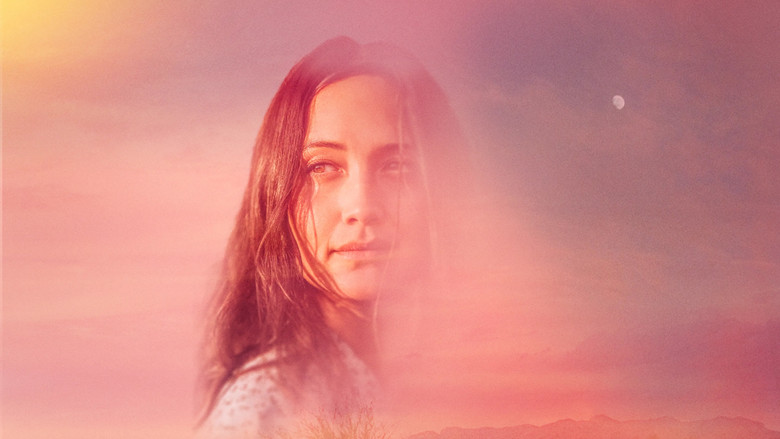
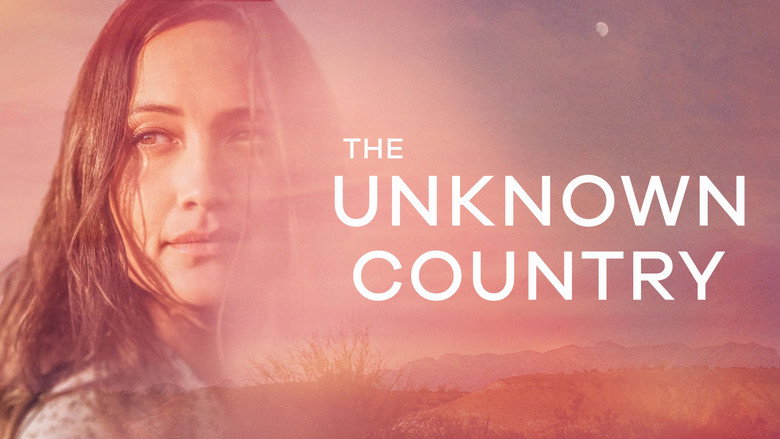
A grieving woman embarks on an unexpected road trip as she grapples with the pain of her recent loss and seeks to understand her place in the world.
Official
I keep thinking about the way The Unknown Country lingers in the spaces between movement and stillness. It’s a road movie, technically—Lily Gladstone’s Tana drives from Minnesota to Texas, ostensibly to attend a family gathering—but the journey feels less like progress than a slow unraveling. The camera doesn’t rush after her.
It waits. And in that waiting, something unsettling and beautiful emerges.
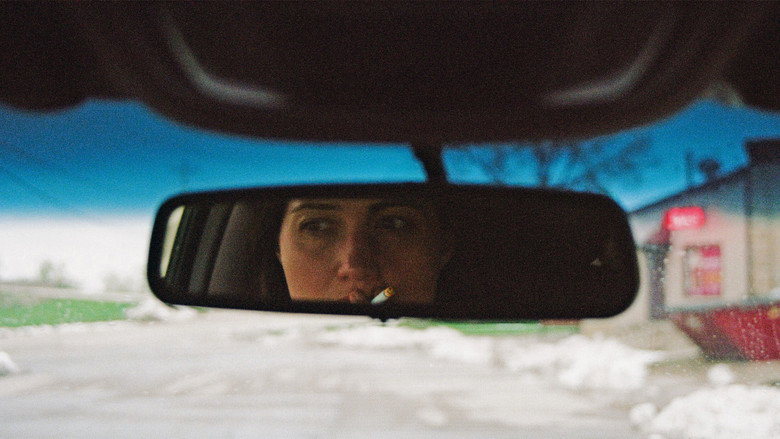
Morrisa Maltz’s film is a quiet rebellion against the idea that grief has a destination. Tana’s loss isn’t spelled out in capital letters; it’s there in the way she grips the steering wheel, in the way her eyes flick to the rearview mirror when she thinks no one’s looking. (Or maybe when she knows they are.) The film’s power isn’t in what it shows, but in what it refuses to explain.
That restraint is rare these days, when so many stories about trauma arrive pre-packaged with catharsis and a side of uplift. The Unknown Country offers neither. It just… sits. And in that sitting, it becomes something far more honest.
The film’s visual language is deceptively simple. Maltz and cinematographer Andrew Hajek favor wide shots that swallow Tana in the landscape—endless fields, empty highways, the occasional roadside motel glowing like a mirage. The effect is isolating, but not in the way you’d expect.
There’s no sense of danger or desolation; just a quiet acknowledgment that Tana is both everywhere and nowhere at once. The camera doesn’t judge her for it. It just watches.
Take the scene where Tana stops at a diner somewhere in South Dakota. She’s alone at the counter, stirring a cup of coffee she doesn’t drink. The waitress, played by Pam Richter, chats about the weather, the price of gas, the usual small-town nothingness.
Tana nods along, but her face is a mask. Then, for a single beat, the mask slips. Her lips tremble.
She blinks too fast. And just as quickly, she’s back to nodding, back to the performance of being okay. It’s a tiny moment, easy to miss if you’re not paying attention.
But it’s the whole movie in miniature: the way grief doesn’t announce itself, the way it lives in the gaps between what we say and what we mean.
Gladstone, of course, is extraordinary. (I’m tempted to say “masterful,” but the style guide forbids it, and honestly, the word feels too small anyway.) She doesn’t “act” grief so much as she carries it in her bones. There’s a scene where she dances at a bar, her body loose and unguarded for the first time in the film.
It should feel like a release, but it doesn’t. It feels like a woman trying to outrun something that’s already inside her. The way she moves—her shoulders hunched, her feet barely lifting off the floor—it’s not joy.
It’s exhaustion wearing a party dress.
The supporting cast is just as lived-in. Raymond Lee plays Isaac, a man Tana picks up along the way, and their dynamic is fascinating. He’s all easy charm, the kind of guy who fills silences with jokes and stories.
She’s a black hole of quiet. And yet, there’s something between them—something tentative and real. It’s not romance.
It’s not even friendship, exactly. It’s the kind of connection that happens when two people recognize the shape of each other’s loneliness. Lee plays Isaac with a lightness that never feels performative, and the scenes between him and Gladstone crackle with an energy that’s hard to define.
It’s not chemistry. It’s something closer to recognition.
The film’s structure mirrors its themes. It meanders. It doubles back.
It stops for no reason and starts again without warning. There’s a sequence where Tana visits a powwow, and the camera lingers on the dancers, the drummers, the faces in the crowd. It’s not a detour.
It’s the point. The road trip isn’t the story. The people she meets along the way—their stories, their silences—are the story.
Maltz seems to understand that grief isn’t a straight line. It’s a spiral. You keep coming back to the same places, but you’re never the same when you do.
I’m not sure The Unknown Country works for everyone. Its pace is deliberate to the point of being stubborn. There’s no big emotional payoff, no twist, no grand revelation.
It’s a film that asks you to meet it where it is, and if you’re not in the mood for that kind of quiet, it might feel like nothing happens. (I’ve seen this trick before—the slow, observational drama that mistakes inertia for depth. But this isn’t that.) This is a film that understands something fundamental about loss: it doesn’t resolve.
It just changes shape.
The ending is perfect. Tana arrives at her destination, but the film doesn’t bother with the reunion. Instead, it cuts to her sitting on a porch, staring at the horizon.
The camera pulls back. She’s small against the landscape. And then—nothing.
No music swell. No voiceover. No explanation.
Just the sound of wind and the weight of all the things she didn’t say.
I keep coming back to that porch. To the way the film refuses to tie things up neatly. To the way it trusts the audience to sit with the discomfort of not knowing. That’s rare. That’s brave. That’s the kind of filmmaking that stays with you long after the credits roll.
Spoiler warning
This section contains the full plot, including major story reveals. Overview above stays spoiler-free.
Morrisa Maltz’s The Unknown Country (2023) is a slow-burn drama that follows a grieving woman’s journey across the American Midwest, blending road-movie rhythms with intimate character study. With Lily Gladstone in the lead, latestnetflix.com argues, the film has drawn attention for its understated approach to grief and Indigenous storytelling—but behind-the-scenes details remain scarce.
Gladstone, fresh off her Oscar-nominated turn in Killers of the Flower Moon, headlines the film alongside Raymond Lee (Poker Face) and Richard Ray Whitman, a veteran of Indigenous cinema. The supporting cast includes Lainey Bearkiller Shangreaux, Devin Shangreaux, and Jasmine Bearkiller Shangreaux, suggesting a focus on community and familial bonds. While the film’s premise—a woman traveling to a family gathering after a loss—hints at personal stakes, Maltz’s direction keeps the emotional weight in the quiet moments rather than overt drama.
Early audience responses, as seen on SensCritique, are lukewarm, with a 5.7/10 rating from 25 votes. The snippet doesn’t clarify whether the score reflects pacing, performances, or thematic depth, but the low vote count suggests limited exposure so far. Rotten Tomatoes, meanwhile, hosts reviews but doesn’t provide a critic or audience score in the available snippet. Without deeper context, it’s hard to gauge whether the film’s meditative style resonates or falls flat.
One oddity in the available evidence: SensCritique lists the film’s release year as 2025, despite TMDB and other sources confirming 2023 [TMDB]. This discrepancy could point to a delayed distribution push or a simple cataloging error. There’s no mention of festival premieres or awards buzz in the snippets, leaving the film’s trajectory unclear.
The evidence offers little on the film’s production process, funding, or Maltz’s creative vision. Was this a passion project or a studio-backed effort? Did Gladstone’s rising star power influence the project’s development? For now, those details remain off-screen.
Entertainment rumors and trivia aggregated from public reporting. Treat speculation as unverified unless a cited source confirms it.
More titles in the same genres and with the same cast.


