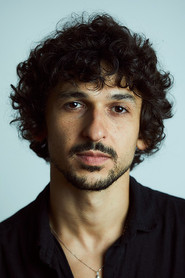
Ravel Andrade
Léo Schmidt

A zombie apocalypse that imprisons participants and producers of a reality show called Olimpo, The House of the Gods. The studio becomes a shelter for those who seek salvation in Rio de Janeiro where chaos and hopelessness begin to rule.
I’ve seen this trick before. A group of strangers—some famous, some not—are sealed inside a brightly lit maze of cameras and microphones when the world outside collapses into chaos. The premise is Dead Set, Charlie Brooker’s razor-sharp 2008 miniseries, and now, twelve years later, Netflix has handed the keys to Cláudio Torres for Reality Z, a Brazilian reimagining that swaps the Big Brother UK house for a Rio de Janeiro soundstage called Olimpo.
The question isn’t whether the story can survive the transplant—it’s whether it can outgrow the shadow of its predecessor. The answer, unfortunately, is no. But what Reality Z lacks in originality, it occasionally makes up for in a kind of desperate, messy vitality, like a reality show contestant who knows the cameras are still rolling even as the world burns.
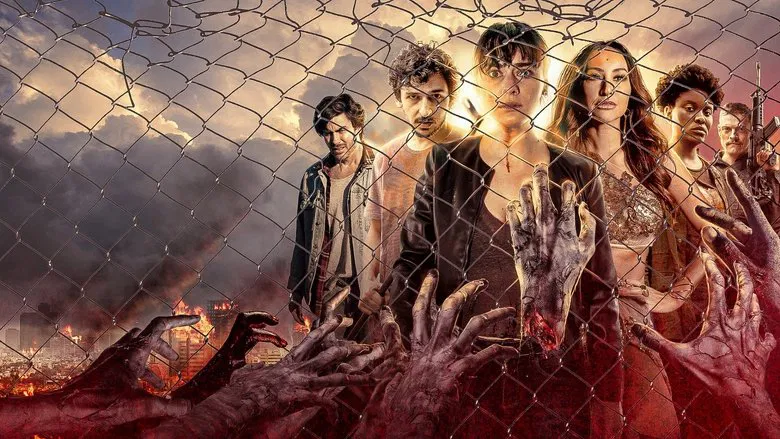
Torres doesn’t just borrow Brooker’s blueprint; he devours it, in the spirit of antropofagia, the Brazilian modernist idea of cultural cannibalism. The first five episodes are a near shot-for-shot adaptation, right down to the panicked producers in the control room, the celebrity contestants who refuse to believe the crisis is real, and the slow drip of violence as the infected breach the studio’s sterile walls.
The problem isn’t the fidelity—it’s that the original’s biting satire, its scathing indictment of reality TV’s voyeurism and the public’s complicity in it, feels diluted here. Dead Set was a scalpel; Reality Z is a butter knife. The social commentary is still there, but it’s broader, less precise. When a congressman (Emílio de Mello) barricades himself in the VIP lounge, hoarding supplies while the others fight for scraps, the allegory is so heavy-handed it might as well come with a sledgehammer.
(Then again, given Brazil’s political climate in 2020, maybe subtlety wasn’t the point.)
The second half of the season tries to carve its own path, shifting from a claustrophobic siege to a road movie of sorts, as the survivors venture into the ruined streets of Rio. It’s here that Reality Z stumbles into something interesting: a kind of exhausted, darkly comic energy. The gore is plentiful—zombies lurch through favelas, bodies pile up in the studio’s confessionals—but there’s also a weird, almost absurdist humor to it all.
Sabrina Sato, playing a fictionalized version of herself (a reality TV star with the stage name "Divina"), delivers some of the show’s best lines with a deadpan that borders on performance art. When she quips, "This isn’t how I wanted to go viral," it’s the kind of line that lands because it’s both funny and painfully true. The series knows it’s ridiculous, and for a moment, that self-awareness almost redeems it.
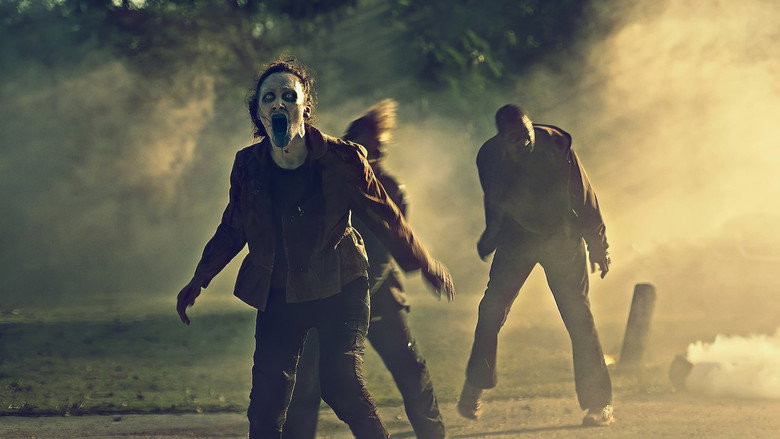
But then the writing trips over itself again. Characters make baffling decisions—like splitting up for no discernible reason, or trusting the one person who’s clearly lying—and the dialogue often feels like it was written by someone who’s only heard people talk, not actually listened. Digital Spy wasn’t wrong when they said Reality Z "fails to justify its existence."
The original Dead Set was a masterclass in tension, its 140-minute runtime feeling like a sprint. Reality Z, at ten episodes, drags. The pacing is uneven, the character arcs are underdeveloped, and the zombies, while competently designed, are never more than window dressing for the real horror: human greed and stupidity.
That said, there’s something undeniably compelling about watching a Brazilian production tackle the zombie genre with this kind of budget. The aerial shots of Rio in flames are striking, a visual shorthand for the collapse of order that feels eerily prescient. (The series premiered in June 2020, as the COVID-19 pandemic raged, and the sight of people trapped inside a TV set while the world outside unravels takes on a layer of unintended resonance.) The music, too, is a standout—each episode’s soundtrack feels like a character in itself, shifting from pulsing electronic beats to mournful strings as the tone darkens.
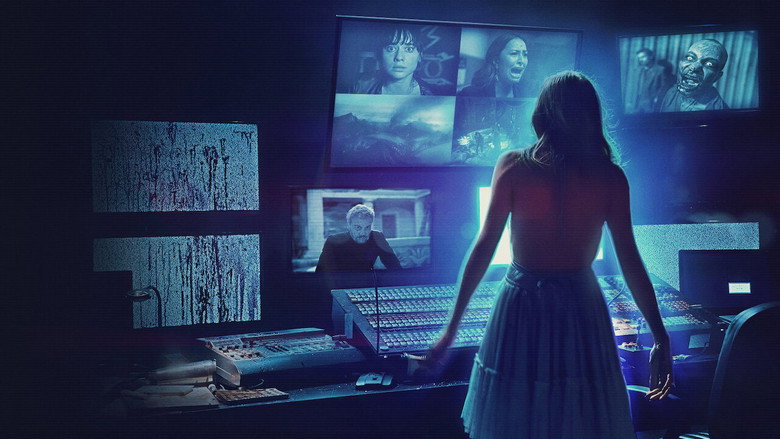
The performances are a mixed bag. Ana Hartmann, as the show’s de facto protagonist Nina, is solid but underwritten, her arc reduced to a series of reactive moments rather than active choices. João Pedro Zappa, as the young production assistant TK, fares better, his wide-eyed idealism slowly curdling into something harder.
But it’s Emílio de Mello’s congressman who lingers in the mind, not because he’s particularly nuanced, but because he’s such a perfect distillation of the show’s themes: a man who believes his own hype, even as the world crumbles around him. His final moments—holed up in a luxury suite, surrounded by stolen food and weapons, muttering about "order"—are Reality Z at its most effective: a dark mirror held up to the audience.
Remezcla’s take—that the series’ failure is "almost as illuminating" as its successes—rings true. Reality Z isn’t a great show, or even a particularly good one, but it’s a fascinating mess. It’s a reminder that remakes don’t have to surpass the original to be worth watching; sometimes, they just have to be themselves. And in its best moments, Reality Z feels like a distinctly Brazilian nightmare, one where the line between reality and performance blurs until there’s nothing left but the cameras, the blood, and the desperate need to be seen.
I won’t pretend I wasn’t bored for long stretches. I won’t pretend the dialogue didn’t make me wince. But I also won’t pretend I looked away.
There’s something about a show that’s this flawed, this ambitious, this alive that keeps you watching, even when you know you shouldn’t. Maybe that’s the ultimate irony of Reality Z: in the end, it’s just another piece of reality TV, complete with its own share of trainwreck appeal. The question is whether you’re willing to keep watching.
"A decent Brazilian zombie thriller with a fresh setting, held back by uneven execution and familiar tropes."
The Brazilian backdrop brings some novelty to the zombie genre. But pacing, thin characters, and well-worn tropes leave viewers wanting more depth and originality. The practical effects and gore split opinion between gritty realism and underwhelming.
Reality Z (2020), Netflix’s Brazilian zombie series, arrived with little fanfare but quickly carved out a niche for its gritty take on the undead apocalypse. Created by Cláudio Torres, the show stands out for its sharp social commentary, blending horror with the director’s signature caustic humor. latestnetflix.com's take is that while the series didn’t break streaming records, it earned a cult following for its fresh perspective on a well-worn genre.
Torres, known for his work in contemporary Brazilian cinema and television, brought a distinct flavor to Reality Z. Unlike Hollywood’s polished zombie blockbusters, the series embraced a raw, low-budget aesthetic that resonated with audiences tired of overproduced horror. The director’s background in blending humor with social critique likely influenced the show’s tone, which balances gore with biting satire.
The cast, featuring Brazilian actors like Ravel Andrade, Ana Hartmann, and Sabrina Sato, delivered performances that grounded the series in authenticity. Sato, a well-known TV personality in Brazil, added star power to the project, though her role wasn’t central to the main plot [TMDB]. The ensemble chemistry helped sell the show’s high-stakes survival narrative, even if some critics found the pacing uneven.
Reality Z didn’t set the world on fire critically, scoring a modest 5.3/10 on SensCritique based on 119 votes. Reviewers praised its ambition but noted flaws in execution, particularly in its pacing and character development. Some YouTube reviews called it a "guilty pleasure" for zombie fans, highlighting its unique Brazilian setting as a standout feature.
Despite the lukewarm reception, the series developed a dedicated following. Fans appreciated its attempt to subvert zombie tropes, even if the results were hit-or-miss. The show’s short runtime (episodes clock in at around 29 minutes) made it an easy binge, though some viewers wished for deeper storytelling.
Reality Z is a sign of the growing influence of non-English horror on global streaming platforms. Torres’ vision brought a distinctly Brazilian voice to the zombie genre, offering a fresh alternative to Hollywood’s dominance in the space. While it may not have been a smash hit, the series proved that international horror can thrive when it embraces local flavor.
For fans of offbeat zombie stories, Reality Z remains a hidden gem worth revisiting—especially for those craving something beyond the usual undead fare.
Entertainment rumors and trivia aggregated from public reporting. Treat speculation as unverified unless a cited source confirms it.
More titles in the same genres and with the same cast.